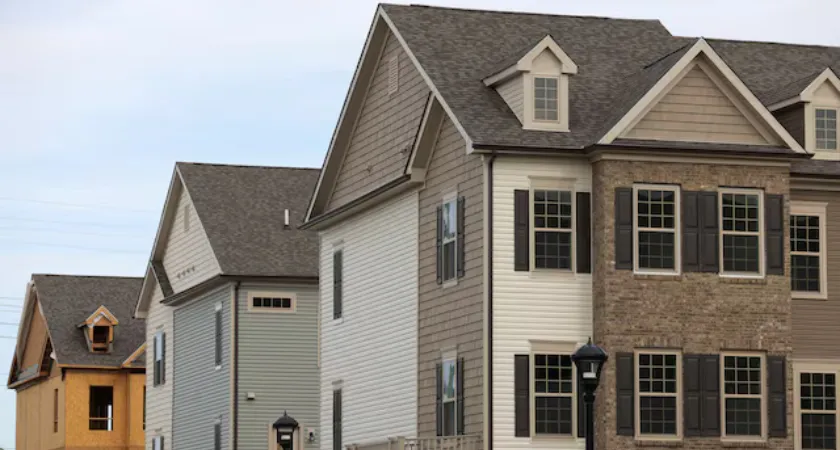
(Reuters) — PulteGroup posted lower profit and revenue in the fourth quarter as U.S. homebuyer demand remained subdued, reflecting persistent inflationary pressures and cautious consumer sentiment despite some easing in interest rates.
The homebuilder said profit and revenue fell as incentives aimed at stimulating demand — including mortgage rate buydowns and a greater focus on smaller, more affordable homes — continued to weigh on margins. U.S. homebuilders have increasingly relied on such strategies as buyers remain hesitant in a high-cost housing environment.
.webp)
PulteGroup’s home sale gross margin declined to 24.7% during the quarter, down from 27.5% a year earlier, underscoring the impact of pricing concessions and elevated costs across the sector.
The industry is also grappling with higher construction expenses linked to persistent inflation and tariffs imposed by President Donald Trump on key raw materials. However, some relief has come from the Federal Reserve’s more conservative approach to interest rate cuts, which has helped stabilize borrowing conditions.
"While lower interest rates and more favorable pricing dynamics have worked to improve the overall affordability of new homes relative to a year ago, lagging consumer confidence continued to weigh on homebuyer demand in the quarter," said CEO Ryan Marshall.
.webp)
Consumer sentiment weakened toward the end of the year, with the U.S. consumer sentiment index deteriorating in November and December. The decline pointed to a moderation in spending following a strong third quarter, as concerns over job security and the broader economic outlook intensified.
In an effort to reduce housing costs, President Trump has called on his representatives to purchase $200 billion in mortgage bonds. Analysts, however, remain skeptical that such measures will meaningfully lower borrowing costs, noting that broader geopolitical uncertainty linked to the administration could ultimately push rates higher over time.
For the quarter ended December 31, PulteGroup earned $2.56 per share, down sharply from $4.43 per share a year earlier. Analysts had expected earnings of $2.82 per share, according to data compiled by LSEG.
Total quarterly revenue declined 6% year over year to $4.61 billion, reflecting slower sales activity amid affordability challenges and cautious buyer behavior.
Originally reported by Reuters.
.png)


.png)