For the first time in nearly half a century, a new oil refinery is set to be built in the United States, marking a major shift in domestic energy infrastructure. America First Refining (AFR) announced plans to construct the facility at the Port of Brownsville, positioning the project as a cornerstone for future energy independence.
The company described the initiative as “the largest energy deal in U.S. history,” highlighting its scale and long-term economic implications. Backed by a major global oil and gas investor, AFR expects to begin construction in the second quarter of 2026.
At the core of the project is a 20-year agreement between AFR and a global energy partner. Under the deal, the refinery will:
The company said this effort could significantly improve the U.S. trade balance by keeping more crude oil processing within the country rather than relying on imports.
AFR noted that between 2014 and 2024, the U.S. exported nearly 10 billion barrels of crude oil while importing about 28 billion barrels—an imbalance that has cost over $1.8 trillion. The new refinery aims to redirect up to 60 million barrels of domestic crude annually into U.S.-based refining operations.
Unlike traditional refineries that process a mix of crude types, this facility will be engineered exclusively for American light shale oil. According to AFR, this type of oil is cleaner, more efficient to refine, and less costly than heavier imported crude.
By eliminating the need for foreign crude imports, the project is expected to strengthen national energy security while producing cleaner fuels such as gasoline, diesel, and jet fuel.
“This is one of the most important energy infrastructure projects in America today,” said Trey Griggs, President of America First Refining.
“The United States has a surplus of light shale oil, but a shortage of refining capacity designed to process it. By building this refinery at the Port of Brownsville, we’re unlocking a major expansion of American energy production while creating thousands of high-paying jobs and strengthening our domestic supply chain.”
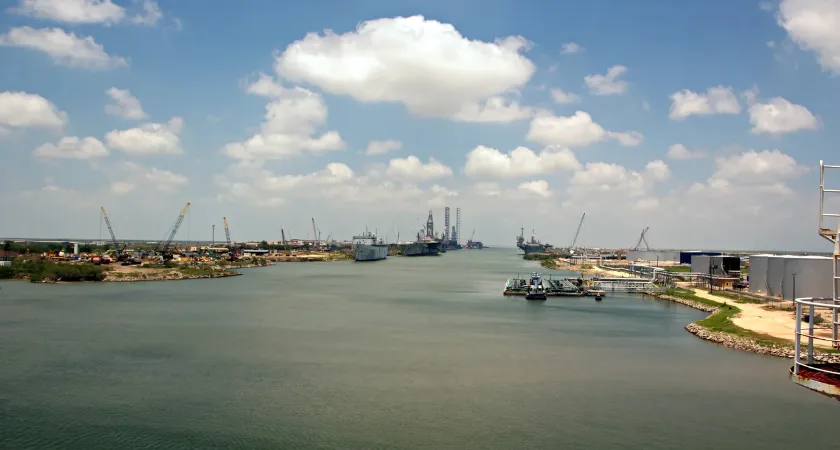
The Port of Brownsville was selected for its deepwater capabilities, enabling efficient distribution to both domestic and global markets. Its designation as an Economic Opportunity Zone further enhances the project’s economic appeal.
Beyond national benefits, the refinery is expected to serve as a major economic engine for South Texas, creating thousands of construction and long-term operational jobs with competitive wages.
The scale of the AFR refinery presents a significant opportunity for:
As the project moves toward groundbreaking, construction firms and industry professionals are expected to closely monitor bidding opportunities and project developments.
The U.S. has not built a new major refinery in decades due to:
This project signals a potential reversal of that trend, driven by increased domestic oil production and geopolitical energy concerns.
If completed as planned, the refinery could:
Despite its promise, the project may face:
Originally reported by Marshall Benveniste in Construct Connect News.