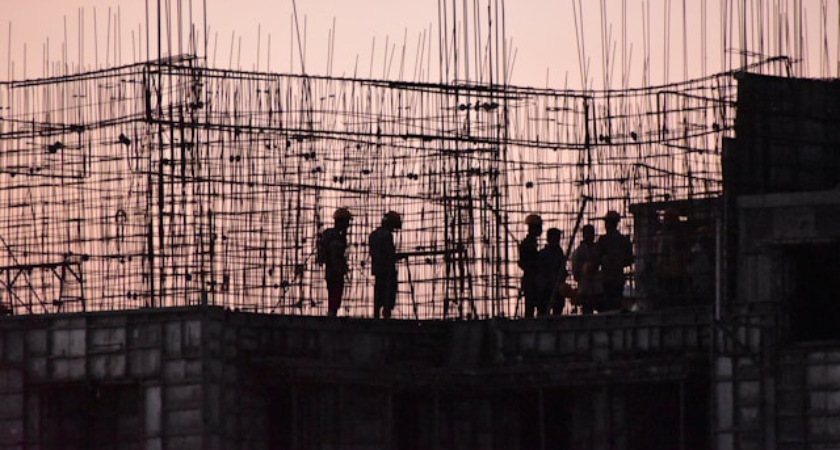
Seattle will increase construction and permitting fees by 18% starting next year, a move city officials claim is necessary to fill a revenue gap—but developers warn the hike will worsen an already strained housing market.

The decision comes as Seattle faces a significant funding crisis inside the Seattle Department of Construction and Inspection (SDCI), which relies on building permit fees for nearly 55% of its budget. The department has been running short on revenue due to a major slowdown in new development projects.
During a Nov. 17 budget committee meeting, Ben Noble, city council central staff leader, explained why SDCI is struggling to stay financially stable.
“Larger projects have gone away, so we are now left to recover fees from a smaller set of projects that have less value,” Noble said.
He added that the agency must hold onto trained staff even during downturns.
“These cost centers are running in the red – we are spending more on the staff than we are taking in fees right now,” Noble said. “We are doing this very purposefully … to keep our human capital. We have a bunch of city folks who are very well trained in this work and if we let them all go during slow times, when the better times come, we have to go find them again and retrain them.”
To avoid layoffs and a deeper staffing shortage, the Seattle City Council approved the increase in a 6–3 vote. Opposing council members—Sara Nelson, Maritza Rivera and Mark Solomon—said the move will push development further out of reach and drive up costs for struggling builders and renters.
“This unnecessarily increases the cost of housing, it transfers the cost that is a city cost onto people that are currently struggling with the cost of housing right now,” Nelson said.

Nelson argued the city could have reduced its deficit without adding financial pressure to homebuilders. Meanwhile, Budget Chair Dan Strauss defended the decision, saying councilmembers faced only three options: cutting staff, tapping the general fund, or raising fees.
Even moderate-sized construction projects will feel the impact. Rivera, a consistent opponent of the fee proposal, pointed out that for a typical four-unit townhouse build, costs could rise between $2,000 and $4,000.
Construction activity in Seattle has already plummeted. Townhome permits dropped nearly 87% between 2019 and 2024, and analysts estimate the decline could cost the city $775 million in tax revenue over the next two decades.
Developers say the fee hike sends the wrong message at the wrong time. Sean Flynn, executive director of the Rental Housing Association of Washington, said the city is effectively forcing higher rents.
“At a time when everyone is saying they want affordability, all they’re doing is adding not only costs to the builders but also to the operators and that cost shuffles down to either the homeowner or the tenant,” Flynn said. “The city and housing providers and builders are not on the same page. They keep asking us to produce more and rent things for less and they’re not helping us.”
Seattle is already facing one of the nation’s highest housing cost burdens and a severe shortage of both market-rate and affordable units. Builders have long argued that rising fees, regulatory delays, and complex permitting are steering developers out of the city. With interest rates high and construction slowing nationwide, critics fear this fee hike may accelerate Seattle’s housing shortage over the next several years.
Originally reported by The Center Square in Everettpost.