A growing number of states are advancing nuclear energy initiatives as policymakers and utilities confront rising electricity demand, grid reliability concerns and long-term decarbonization goals.
Recent actions in Nebraska, Minnesota, Indiana and North Carolina highlight how nuclear power is increasingly being positioned as part of future infrastructure and economic development strategies. The activity also reflects expanding interest in small modular reactors and large-scale baseload generation projects that could create substantial construction and engineering opportunities over the next decade.
.jpg)
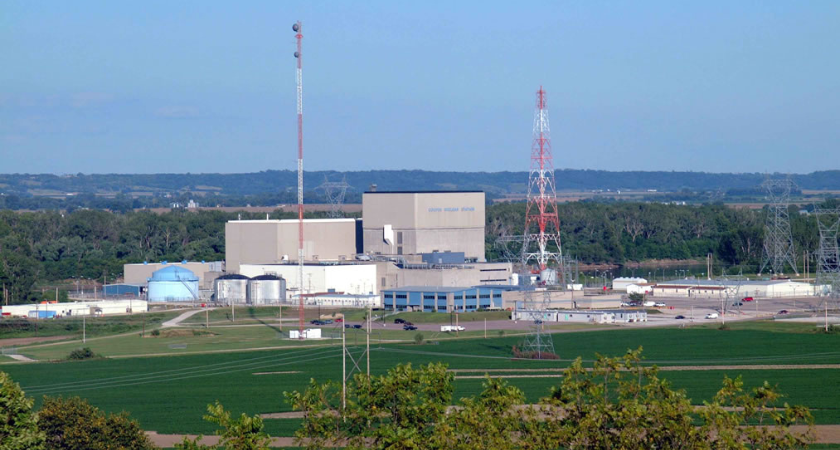
In Nebraska, a siting feasibility study identified four communities as leading candidates for potential small modular reactor development. The study evaluated locations using criteria aligned with Nuclear Regulatory Commission guidance for nuclear facility siting.
The assessment was conducted for the Nebraska Public Power District with support from engineering consultants at Burns & McDonnell through its 1898 & Co. division. State lawmakers allocated funding for the initiative as part of broader efforts to evaluate future energy infrastructure options.
The move signals increasing utility interest in advanced nuclear technologies that can support growing industrial loads while reducing carbon emissions. Utilities nationwide are exploring SMRs because of their smaller footprint, phased deployment potential and compatibility with existing grid infrastructure.
Minnesota also moved forward with nuclear-related planning after lawmakers approved funding for a study examining the feasibility of constructing new nuclear facilities in the state. The analysis is expected to examine affordability, reliability and emissions reduction impacts tied to future nuclear generation.
The proposal comes as Minnesota works toward long-term carbon-free electricity goals established under state law. Supporters of the study argue that dispatchable nuclear generation could help stabilize the grid as renewable energy capacity expands.
Meanwhile, Indiana is pursuing expanded regulatory authority through the Nuclear Regulatory Commission’s Agreement State Program. If approved, the state would oversee licensing and inspections for many users of radioactive materials in medicine, research and industrial operations.
Although the move is primarily regulatory, it could strengthen Indiana’s role in supporting nuclear-related industries, medical facilities and advanced manufacturing operations that rely on radioactive materials and associated infrastructure.
North Carolina lawmakers are also weighing legislation that would make nuclear development a prerequisite for retiring certain baseload power plants. The proposal would require utilities to obtain state approval for replacement nuclear generation before shutting down existing facilities.
The legislation also includes provisions connected to data center growth, an increasingly important factor in utility planning nationwide. Rapid expansion in artificial intelligence infrastructure, cloud computing campuses and advanced manufacturing facilities has intensified pressure on utilities to secure reliable, around-the-clock power sources.
For construction owners, developers and contractors, the latest state actions point to a potentially significant expansion cycle for nuclear-related infrastructure.
Advanced reactor projects, plant modernization work and transmission upgrades could generate long-term demand for heavy civil contractors, specialty trades, engineering firms and industrial manufacturers. Nuclear development also typically involves extended project timelines, high compliance standards and complex procurement requirements, creating opportunities for firms with large-scale infrastructure experience.
Data center growth is emerging as another major driver behind nuclear interest. Utilities facing surging electricity demand from hyperscale campuses may increasingly turn to nuclear generation to provide stable baseload capacity while meeting carbon reduction targets.
At the same time, regulatory approvals, financing structures and public acceptance remain major hurdles for new nuclear construction. Developers and contractors pursuing opportunities in the sector may need to prepare for lengthy permitting timelines, workforce shortages and evolving federal oversight requirements as the market develops.
Originally reported by Nuclear News Wire.