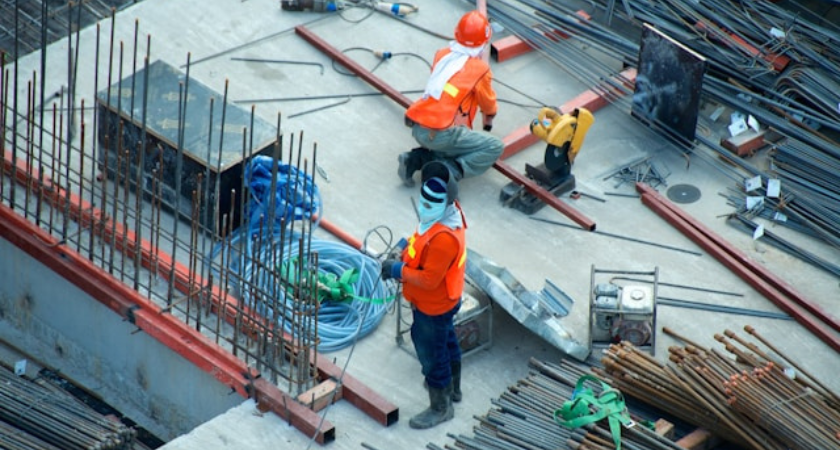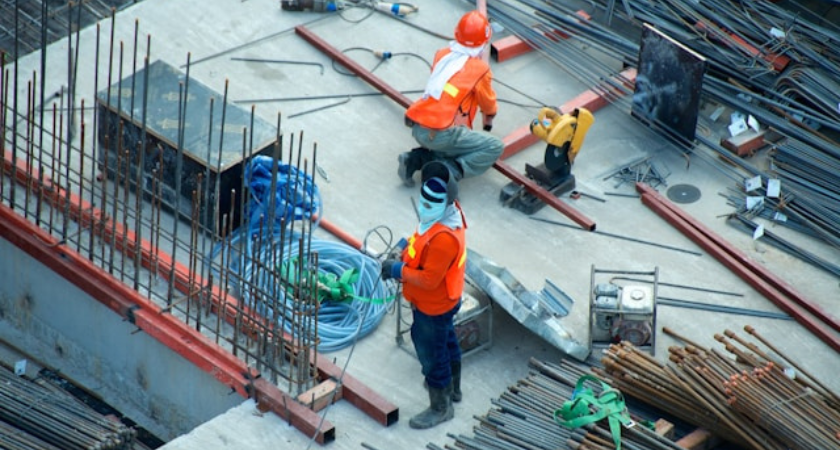
In a region long dominated by traditional wood-frame residential construction, a quiet shift is underway in northeast Pennsylvania. Developer Dmitry Pingasov is introducing cold-formed steel (CFS) as the structural backbone for affordable housing, challenging decades of convention with a system more commonly associated with commercial and industrial buildings.
.webp)
Pingasov’s approach has already moved beyond experimentation. Fifteen homes built using cold-formed steel framing have been completed, with another 15 currently in the planning and design phase. Together, the projects form a working model that demonstrates how alternative materials can address rising construction costs, labor constraints, and long-term durability concerns.
Rather than simply replacing wood with steel, Pingasov has developed an integrated construction system designed specifically for residential use. The process emphasizes efficiency, precision, and repeatability from design through on-site assembly. Working closely with structural engineers and steel fabricators, he has refined each component to ensure accuracy and constructability, minimizing the need for field modifications that often slow traditional builds.
One of the most immediate advantages of cold-formed steel is dimensional consistency. Manufactured to exact tolerances, steel studs produce straighter walls and cleaner openings, reducing rework and shortening construction timelines. This precision helps lower labor hours while improving predictability across multiple projects.
.webp)
Durability is another key factor driving the model. Unlike wood framing, cold-formed steel does not warp, rot, or shrink, and it is resistant to termites and other pests. In northeast Pennsylvania’s climate, where seasonal moisture and temperature swings can degrade traditional materials, steel offers long-term structural stability and reduced maintenance requirements for homeowners.
Fire resistance further strengthens the case for steel-based housing. While no residential structure is entirely fireproof, steel framing does not contribute fuel to a fire, offering an added layer of safety. In addition, steel assemblies can be engineered to meet modern building codes and energy-efficiency standards, aligning with increasingly stringent regulatory requirements.
Scalability remains one of the most significant advantages of Pingasov’s system. Once a construction model is designed, tested, and refined, it can be replicated efficiently across multiple developments. This repeatability supports faster delivery of new homes while maintaining consistent quality, a critical factor in addressing housing shortages.
As affordability pressures continue to mount across the region, Pingasov’s work represents a broader shift in how residential construction can be approached. By prioritizing durability, systemized building methods, and long-term value, his steel-based housing model suggests that the future of affordable homes in northeast Pennsylvania may rely less on tradition and more on innovation.
Originally reported by Plentisoft in The Manila Times.