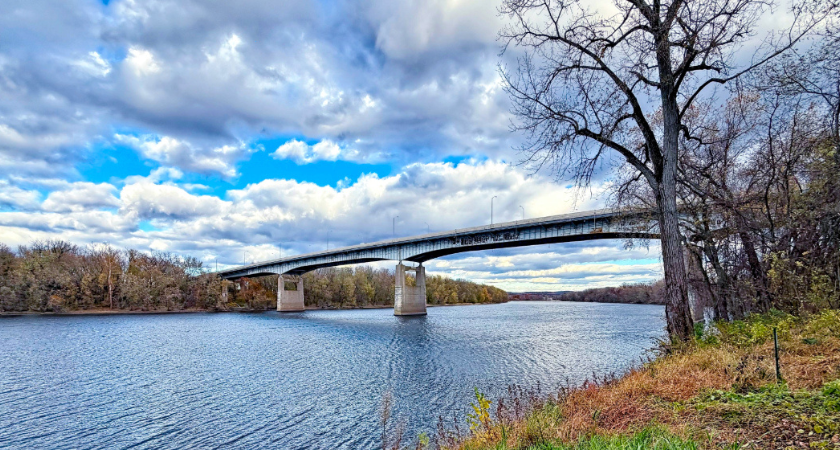
Infrastructure agencies are increasingly turning to rehabilitation strategies to extend the service life of aging transportation assets while minimizing disruptions to critical traffic corridors. In Connecticut, that approach is taking shape through a major bridge rehabilitation effort along one of the state’s key river crossings.
The Connecticut Department of Transportation has selected STV to provide construction engineering and inspection services for the William H. Putnam Memorial Bridge, which carries Route 3 over the Connecticut River between Wethersfield and Glastonbury. The structure, originally built in the 1950s, serves as a vital link connecting Interstate 91 with surrounding regional roadways.
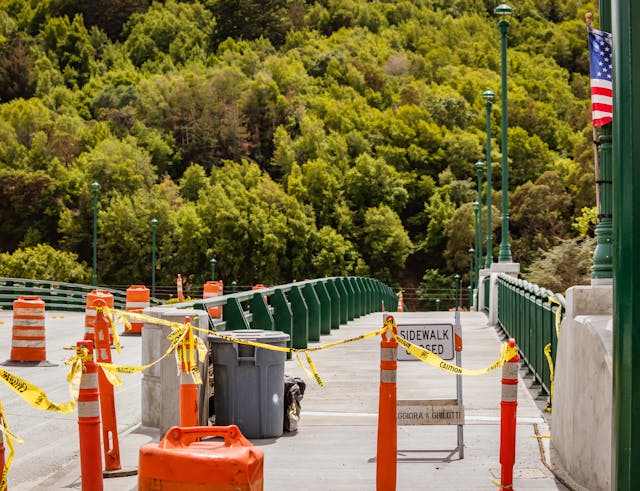
The project scope includes structural steel strengthening, deck and joint reconstruction, drainage system replacement and full-bridge repainting. Construction activities will be staged to allow the bridge to remain operational throughout the rehabilitation process, with work concentrated during low-traffic hours and select weekend periods.
Maintaining continuous traffic flow across the river crossing is a central challenge for project delivery teams. The corridor is a heavily used commuter route, and any extended closure would have significant regional mobility and economic impacts. As a result, construction sequencing and inspection oversight will play a critical role in balancing structural upgrades with day-to-day transportation needs.
The rehabilitation approach reflects a broader shift among transportation agencies toward preserving and modernizing mid-century infrastructure rather than pursuing full replacement. Rising construction costs, environmental permitting complexity and long-term funding constraints have made targeted rehabilitation an increasingly practical solution for extending asset life while maintaining system reliability.
For construction managers and engineering firms, these types of projects demand precise coordination between contractors, inspectors and transportation agencies. Work over active roadways and waterways introduces additional safety and environmental considerations, requiring strict compliance with state and federal regulations while ensuring that construction activities do not interfere with marine or vehicular traffic.
Industrywide, bridge rehabilitation programs are becoming more common as states confront aging infrastructure networks built during the mid-20th century expansion era. Many of these structures are now reaching or exceeding their original design service life, prompting agencies to prioritize structural reinforcement, corrosion protection and deck replacement strategies to avoid full-scale reconstruction where possible.
STV’s involvement in the project adds to its transportation portfolio across the Northeast, where similar rehabilitation and replacement efforts are underway on major bridges and highway corridors. The firm’s role will focus on overseeing construction quality, ensuring compliance with design specifications and helping manage phased work sequencing to keep the bridge operational throughout construction.
For transportation agencies and infrastructure owners, the Putnam Bridge project highlights a growing preference for rehabilitation strategies that balance cost, safety and operational continuity. Contractors and engineering firms capable of managing complex staging, live-traffic work zones and multi-phase bridge rehabilitation will remain in high demand as states continue prioritizing asset preservation over full replacement.
Source: STV.