Texas’ record-breaking temperatures continue to claim the lives of frontline workers, exposing deep gaps in workplace safety as state regulations fail to keep pace with a warming climate. The death of 18-year-old construction worker Danny Nolasco on July 15, 2024, is one of several tragedies that illustrate how extreme heat is endangering Texans on the job.
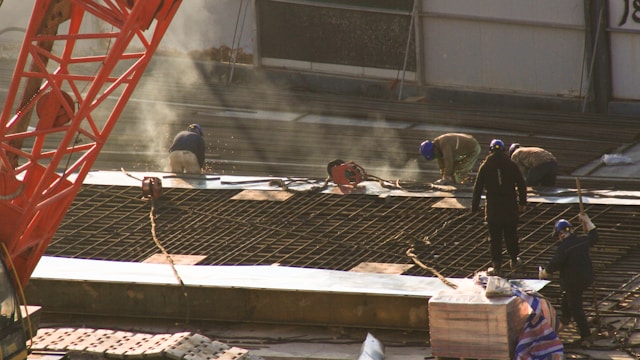
Nolasco had been working at a construction site near Bee Cave, hauling and mixing cement in temperatures that hit 99 degrees with a heat index of 104. The workday began at 9 a.m., with only a brief lunch break to cool down. Hours later, after 6 p.m., he collapsed.
“It all happened so fast,” said his uncle, Grevin Hernández. “We never got a clear explanation of what happened to him.”
Despite a medical examiner ruling the cause of death “undetermined,” federal workplace safety officials later classified the fatality as a heat-related death. OSHA found that his employer, Carlos Cruz Construction, had failed to adequately prepare workers for high temperatures.
As climate conditions push Texas into hotter and more dangerous summers, similar cases have surfaced across the state. OSHA records obtained by Inside Climate News reveal five additional heat deaths in 2024 involving construction crews, a mechanic, and an oilfield worker—from the Panhandle to Houston.
The victims ranged in age from 18 to 57. All were men, and none were union members. Two were immigrants from Central America. In three of the cases, OSHA issued fines against employers for failing to protect workers from heat exposure. One family has filed a wrongful death lawsuit.
Texas’ lack of statewide heat-safety requirements remains a central factor. Despite research showing that mandated water breaks, shaded rest areas, and heat training prevent injuries and deaths, Texas has no such regulations. Bills proposing statewide standards have repeatedly failed in the Legislature.
Cities like Austin and Dallas attempted to adopt rest-break ordinances, but the 2023 “Death Star Bill”—House Bill 2127—overturned those local protections. It prohibited cities from implementing their own labor safeguards and blocked future municipal efforts to address heat risks.
Meanwhile, OSHA’s proposed national heat-safety rule remains in limbo. Introduced under the Biden administration, the rule would require employers to mitigate heat hazards. Its future is uncertain as the Trump administration works to roll back federal regulations, and congressional Republicans have already challenged the proposal.
“Without proper protections for these workers, we’ll see more workers either get hospitalized or unfortunately not come home to their families at the end of the shift,” said Texas state Rep. Armando Walle.
Walle introduced a new heat-protection bill for the 2025 session, calling for basic interventions such as mandatory training, rest breaks, shade, and water access. The bill did not receive a hearing.
“Those people are on my mind all the time,” Walle said. “Every year I file these bills and I will continue to fight for these workers.”
The six OSHA-investigated heat fatalities in Texas in 2024 reveal a tragic pattern:
• May 24 — A 51-year-old oilfield worker, Jose Gallegos, died while pulling pipe under extreme heat, working in full sunlight with temperatures reaching 101 degrees.
• July — Nolasco collapsed at the Bee Cave construction site.
• August — Three additional workers died during Texas’ most intense heatwave: fence installers in Houston and the Panhandle, a nursery worker in San Antonio, and another man at a water treatment plant in Fort Bend County.
The number of heat deaths is almost certainly higher. OSHA’s draft rule acknowledges “significant undercounting” nationwide. Investigations by the Tampa Bay Times found 19 unreported heat deaths in Florida alone over a decade.
One Texas example is Alfredo Sedillo, a 43-year-old nursery worker who died in 105-degree heat. OSHA found that his employer failed to provide water and that water fountains onsite were covered in dirt and debris, with signs warning employees not to use them. Sedillo’s wife, Francis Sedillo, recounted that he regularly came home exhausted from heat exposure and that the company’s ice machines often didn’t work.
“He was already gone,” she said of the moment she found him unconscious after returning from work.
After Sedillo’s death, OSHA issued multiple citations totaling around $31,000. The company said it provides water, shade, and heat training, though investigators found that some workers never received that training, including Sedillo.
Immigrant labor plays a critical role in Texas construction and agriculture, yet these workers face disproportionate risks. Many fear retaliation if they report unsafe conditions, according to David Chincanchan of the Workers Defense Project.
“It puts immigrant workers in a really difficult position,” Chincanchan said. “And the fact that immigrant workers are put in such a vulnerable position to be exploited doesn’t just impact the immigrant workers, it lowers the standards and the conditions for all workers in Texas.”
The death of Rolando Varela Gómez, a Nicaraguan immigrant who had been working in Texas only two weeks, underscores the vulnerability new arrivals face. Coming from “freezing” Wisconsin, he was unaccustomed to the heat. OSHA concluded that he died from acute kidney failure due to heat illness.

The death of oilfield worker Jose Gallegos highlights how extreme job pressure collides with extreme temperatures. According to a lawsuit filed by his family, Gallegos asked for help but was ignored. The suit alleges that “the culture at Nabors was that time was money and that nothing, not even deadly heat, was going to slow down drilling.”
Gallegos’ core temperature was 108 degrees when he arrived at the hospital.
OSHA remains severely understaffed. A 2020 report showed it would take the agency 165 years to inspect every workplace under its jurisdiction once. Trump’s proposed 2026 budget cuts OSHA funding by nearly $50 million and eliminates over 200 staff positions.
The consequences of that strained capacity are visible. Families interviewed for these cases said they received little communication about investigations into their loved ones’ deaths.
OSHA guidance says workers should drink one cup of water every 20 minutes in high heat and switch to electrolyte drinks during extended shifts. Many employers do not meet these minimum standards.
Union officials in Texas say the lack of mandatory water access on some sites is shocking, but not uncommon. As Ryan Pollock of the Texas State Building and Construction Trades Council put it, “it’s shockingly necessary” to explicitly require employers to provide cool water.
Even as families grieve, advocates warn that more lives will be lost unless Texas adopts meaningful protections. Extreme heat is now the world’s deadliest weather phenomenon, and climate change is intensifying its toll.
For the Nolasco family, the loss remains raw. His relatives repatriated his body to Honduras, where he was buried in August 2024.
“We still haven’t really adjusted to the fact that we lost my nephew,” Hernández said. “It’s been very complicated for them. It’s hard for them to talk about this.”
Originally reported by Martha Pskowski/Inside Climate News and Keerti Gopal/Inside Climate News, Public Health Watch in The Good Men Project.