As traffic congestion continues to worsen across North Texas, city leaders and planners are increasingly looking to transit-oriented development — new housing and businesses built around rail stations — as a way to grow smarter while reducing dependence on cars.
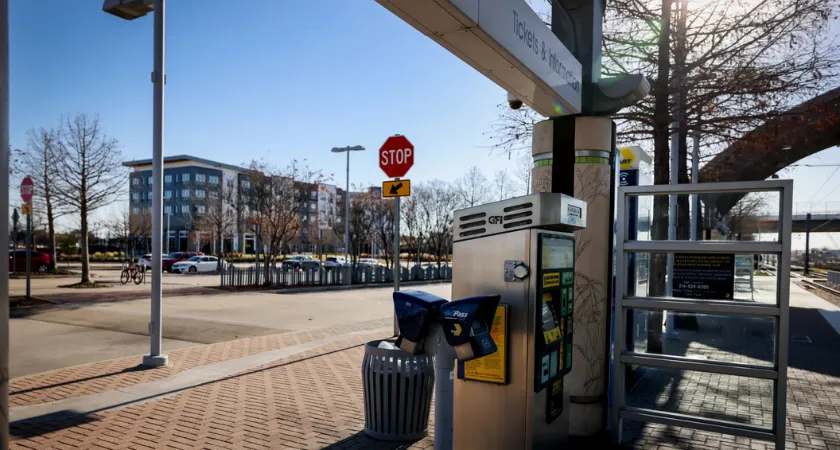
That idea was on full display in Carrollton during a ribbon cutting ceremony for EVIVA at Trinity Mills, a newly completed apartment community located just steps from Dallas Area Rapid Transit’s Trinity Mills station along the Green Line. The 436-unit project is one of the newest examples of how housing density near transit could play a larger role in the region’s long-term strategy.
.webp)
“This project is beyond housing or commercial space, it represents access and opportunity," said DART CEO Nadine Lee, who helped cut the ribbon for the newly completed development.
Inside the apartment lobby, Carrollton Mayor Steve Babick said EVIVA reflects how the city is investing in public transportation infrastructure and positioning itself for more activity and development in the years ahead.
“It is a live, work and play transit-oriented development,” Babick told a crowd of city officials, developers and reporters. “Multi-billion dollars.”
Transit-oriented developments, often called TODs, are designed to encourage density and reduce the need for residents to drive by placing apartments, retail, restaurants and other activity centers near light rail or other transit options. While the term may sound technical, advocates say the concept is becoming essential as the region grows.
“It's essentially just an economic development strategy that kind of opens up areas and provides transportation between a number of projects," said Michael Carroll, director of the Economics Research Group at The University of North Texas.
Carroll examined TOD activity around DART stations in a study published in November. He said the construction tied to those developments has been substantial, estimating that TOD-related building activity brought in $1.9 billion between 2022 and 2024.
Beyond additional housing supply, TODs can create communities where residents are less reliant on driving. Supporters say these developments make it easier for people to commute, travel and access jobs without being locked into long car trips.
Residents at EVIVA can take the train to downtown Dallas or DFW Airport. They can also connect to downtown Denton by traveling on Denton County Transportation Authority’s A-Train.
DART is also working with surrounding cities to plan and build additional TODs throughout the region. Another transit-oriented project at Mockingbird Station in Dallas is already under construction, with a groundbreaking ceremony planned for Thursday. The town of Addison is also planning a TOD near its new Silver Line station.
“It really ticks a lot of the boxes in terms of economic development," Carroll said. "It creates jobs, it creates, you know, a conduit for moving people around.”
Regional planners say the push for more transit-adjacent development is tied directly to North Texas’ projected population growth. Estimates show the region could grow from about 8 million people today to 12 million by 2050 — increasing the pressure on both housing and transportation networks.
Planners argue that if most of that growth happens through sprawl, traffic congestion will continue to worsen. Instead, they say placing more housing and commercial activity near transit routes can help the region add population without adding the same level of traffic.
“That's why we we really need to be thinking about this at a regional level,” Carrollton Mayor Steve Babick said.
While TOD development is being discussed as a solution for growth and congestion, uncertainty is also emerging across DART’s system due to possible withdrawal elections.
Five member cities will vote this spring on whether to leave the transit agency. Carrollton leaders have not ruled out placing an election on the ballot as negotiations continue.
.webp)
Carroll, the UNT researcher, said withdrawals could have ripple effects across the region’s transportation and development strategy.
“It’s a system-wide strategy," he said. "You may have the effects felt not just in the areas where the stations are shutting down … you'd have them felt all the way throughout the system.”
If major service cuts occur or stations shut down, it could undermine the planning logic that supports high-density building near rail hubs and weaken the long-term case for transit-oriented investment.
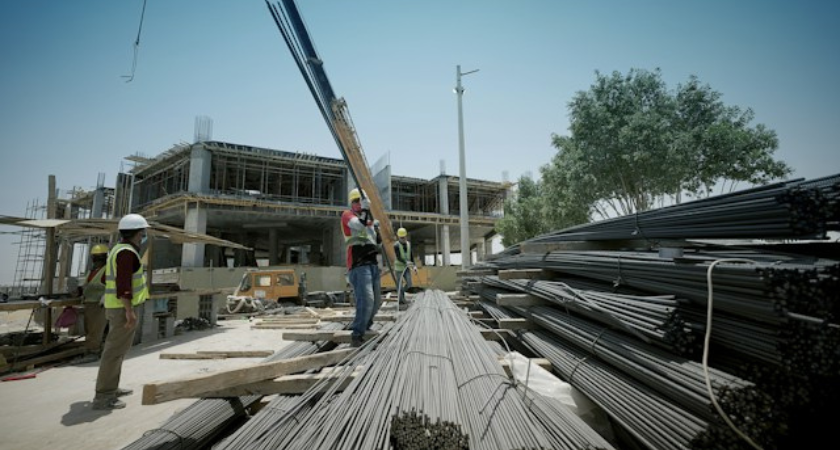
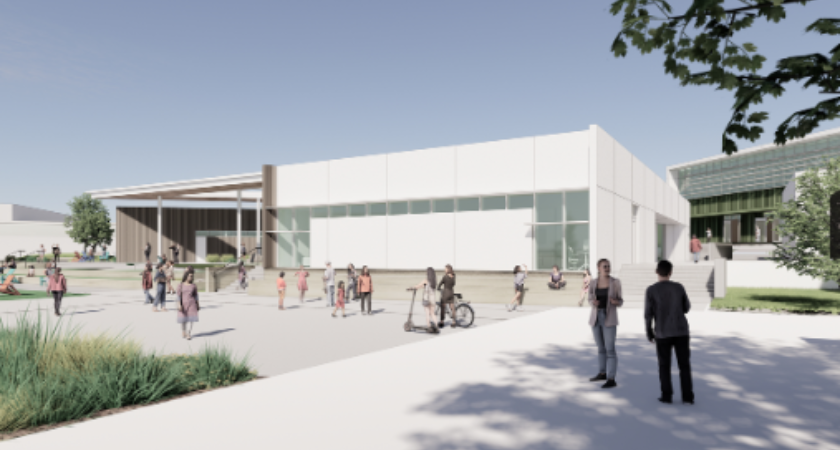
On the other end of the Green Line, another transit-oriented project is underway in Pleasant Grove at DART’s Buckner Station. The development, called Palladium at Buckner, is being promoted as a revitalization opportunity for the neighborhood. About 80% of its units will be offered below market rate.
Christian Marquez, a Pleasant Grove resident who teaches financial literacy to low-income residents, said projects like this can help families stabilize while planning for the future.
“This is a way for people to, you, know, find something affordable, maybe even rent out for six months to a year," Marquez told KERA. "Usually the terms are for a year and then kind of save ... for a down payment, right.”
Marquez said he believes the development can also strengthen community connections by making transit more accessible and encouraging broader neighborhood growth.
“I think it's gonna bring different types of income, family households to the community, also bring safety,” Marquez said.
He added that he hopes it will give residents more reason to stay in the area, rather than feeling forced to move elsewhere for opportunity or affordability.
Originally reported by Pablo Arauz Peña in Kera News.