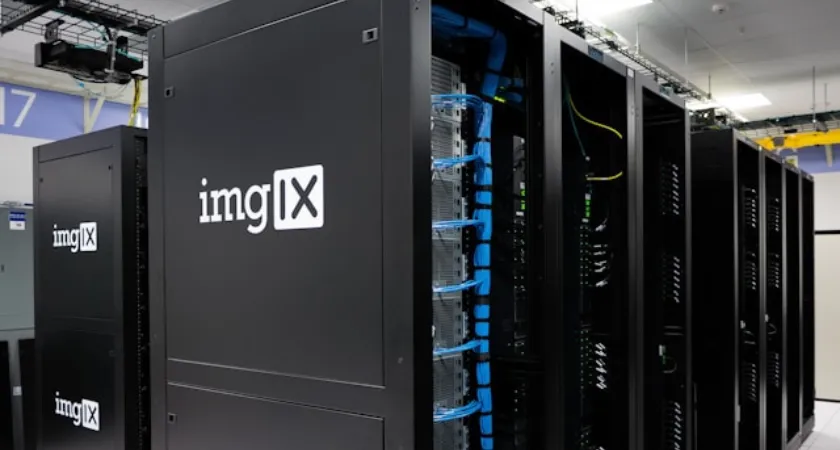
A Minnesota labor leader is urging policymakers and communities to support the construction of new data centers across the state, arguing that such projects could provide steady work for skilled trades workers while boosting the broader economy.
.avif)
Tom Dicklich, writing in an opinion column, said many construction workers in Minnesota are currently underutilized despite being trained and ready for work.
“Minnesota’s working people are ready to build. But, right now, too many skilled trades workers are sitting on the bench, trained, certified, and eager to work.”
Dicklich said that a lack of major construction opportunities has wider economic consequences for communities across the state.
“Stagnant wages and workers aren't just bad for workers; they are bad for our communities. When good jobs don’t materialize, paychecks don’t circulate, families feel squeezed, young people leave for opportunities elsewhere, and our tax base weakens.”
According to Dicklich, the growing demand for digital infrastructure presents an opportunity for Minnesota to expand construction employment and strengthen the state’s economic base.
“Opportunities to build data centers across Minnesota are knocking on our door; they should be a moment of decision, not a rubber stamp.”
He acknowledged that data center projects often raise questions about labor practices, wages and long-term economic benefits. Concerns can include whether contractors hire local workers, whether wages remain competitive and how many permanent jobs will exist once construction is complete.
“There is a lot that is seemingly unknown when a data center project comes to town. Will the construction work be outsourced? Will wages be pressured downward? Once the ribbon is cut, what are the long-term job numbers compared to the public resources invested?”
However, Dicklich argued that Minnesota’s existing labor and regulatory standards can help ensure these projects deliver meaningful benefits.
“Minnesota can answer these questions. Minnesota can build this critical infrastructure better than anyone else, meeting the stringent requirements this state demands, like clear labor and quality standards.”
Dicklich emphasized that establishing strong labor standards would help ensure the projects provide good-paying construction jobs and long-term economic benefits.
“Clear labor standards ensure projects pay prevailing wages and have strong safety enforcement, apprenticeship utilization, and local hiring expectations. These should all be on, and will be on, the table for new data center projects.”
He also suggested that project labor agreements or community benefit agreements could set expectations for wages, worker training and project quality before construction begins.
“A community benefits agreement or project labor agreement can set expectations up front: trained workers, predictable schedules, and work that meets Minnesota’s quality standards.”
Such frameworks could also provide job stability by allowing workers to remain on large construction projects for multiple years while encouraging additional companies to build facilities in the state.
Data centers require significant infrastructure resources, including land, electricity and water. Because of that, Dicklich argued that projects must also deliver clear public benefits in return.
“And let’s be honest about what ‘economic development’ means. If a project consumes significant land, power, and water, it will also deliver measurable public value, increasing the tax bases that fund our schools, roads, parks, and more.”
As demand for cloud computing, artificial intelligence and digital services continues to grow, many states are competing to attract data center investment. Supporters say these projects generate construction jobs, infrastructure investment and long-term tax revenue.
.webp)
While some communities have raised concerns about energy consumption and environmental impacts, Dicklich said organized labor is increasingly supportive of the projects if they meet clear labor and economic standards.
“We cannot afford to say ‘no’ to data centers. Labor is joining the list of groups saying ‘yes.’ ... With the right standards, data centers can be part of a stronger economy.”
He added that the projects could help ensure economic growth benefits workers as well as businesses.
“It is time to play ball. With the right standards, data centers can be part of a stronger economy, one where growth actually reaches the people who build it.”
As Minnesota evaluates future data center proposals, Dicklich argues the focus should be on creating policies that support both economic development and strong labor protections while ensuring the benefits extend to workers and local communities.
Originally reported by Tom Dicklich in News Tribune.