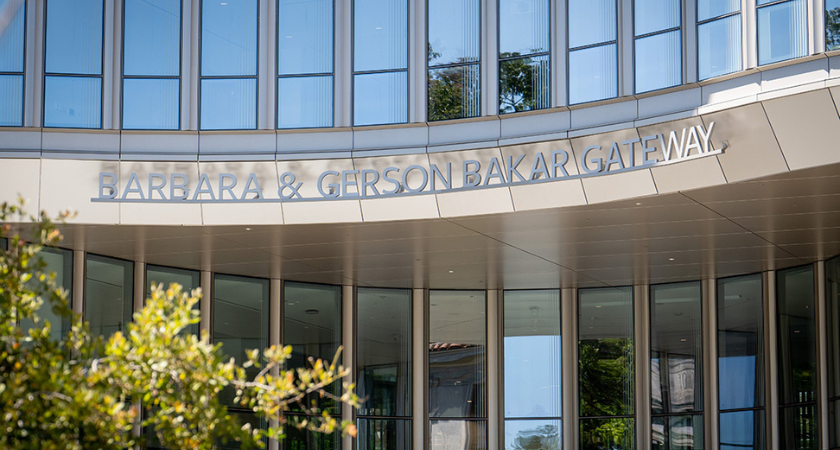
A significant higher education construction project is nearing completion in California as UC Berkeley prepares to open the Barbara and Gerson Bakar Gateway building, a new academic and research hub designed to support the university’s growing focus on artificial intelligence, data science and interdisciplinary innovation.
Built by Turner Construction, the facility represents one of the university’s largest recent investments in academic infrastructure and will serve as the permanent home of the College of Computing, Data Science, and Society. The opening marks an important milestone for both the university and the project team after several years of planning, design and construction.
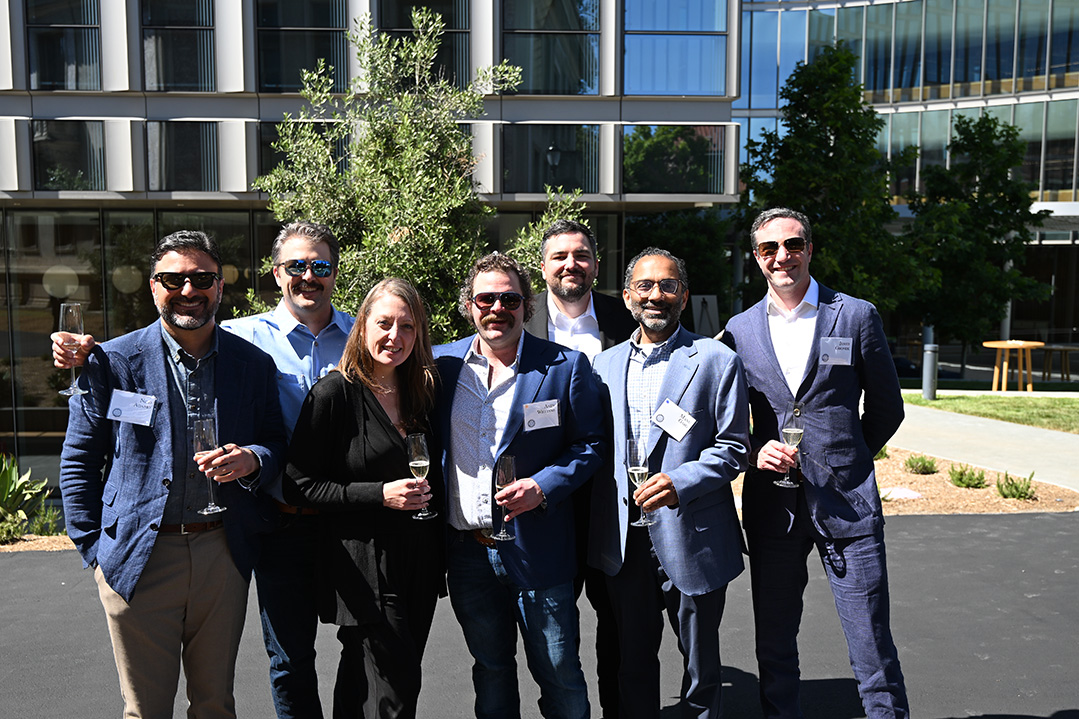
The Gateway building is expected to become a central gathering place for researchers, students and industry collaborators working across multiple disciplines that increasingly rely on advanced computing and data-driven technologies.
The six-story, 367,270-square-foot building was developed to encourage interaction among academic departments and research programs. The project includes research laboratories, classrooms, lecture halls, conference facilities, offices, social gathering spaces, a café and rooftop event areas.
University leaders envision the facility as a collaborative environment where academic research, education and industry partnerships can intersect. The building will accommodate more than 1,300 faculty members, researchers, staff and students engaged in fields such as artificial intelligence, machine learning, climate science, healthcare technologies and data analytics.
Its design emphasizes transparency, connectivity and flexibility, allowing occupants to move between teaching, research and collaborative activities within a single integrated environment.
Construction began in 2022 and involved extensive coordination among UC Berkeley, architects, engineers, trade contractors and campus stakeholders. The project team managed numerous technical challenges associated with creating specialized research environments while maintaining the building's distinctive architectural features.
Among the notable construction hurdles were evolving code requirements, intricate structural coordination and the execution of custom interior finishes throughout curved and uniquely shaped building spaces. Advanced visualization tools and digital construction technologies were utilized to improve project planning, coordination and field operations.
The project also required careful integration of sophisticated building systems to support research activities and future technological advancements.
Environmental performance played a significant role throughout project development. Construction teams implemented strategies focused on reducing waste, improving material efficiency and enhancing long-term building sustainability.
The project achieved a notable sustainability milestone by earning Turner Construction's first TRUE Zero Waste Pre-Certification project in the United States, reflecting efforts to divert construction waste and improve resource management practices during delivery.
As universities continue investing in high-performance academic facilities, sustainability objectives are increasingly becoming a core component of project planning and execution.
The Gateway project demonstrates the growing demand for highly specialized educational and research facilities designed to support emerging technology sectors. For owners and developers, the project highlights the increasing complexity of higher education construction, where flexible design, sustainability and advanced infrastructure must be integrated into a single facility.
The development also underscores how institutions are investing in purpose-built environments that foster collaboration among researchers, students and private-sector partners. As artificial intelligence and data science continue reshaping industries, demand for similar academic and innovation-focused facilities is expected to remain strong.
With occupancy beginning this summer and academic operations scheduled to start in the fall semester, the Gateway building will soon become a centerpiece of UC Berkeley's next generation of research and education initiatives.
SOURCE: Turner Construction.