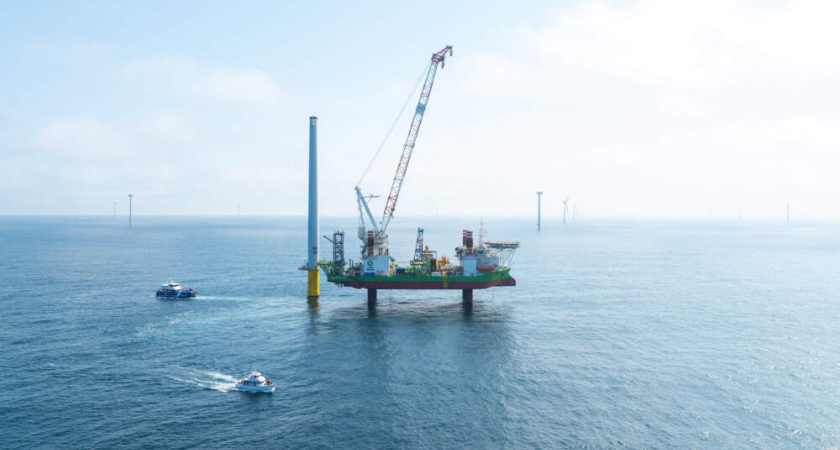
The developers behind Vineyard Wind, one of the largest offshore wind farms off Massachusetts, have filed a lawsuit against the Trump administration after construction was halted last month. The action comes as the project, nearly complete, faced an unexpected stop-work order that has stalled operations.
Filed Thursday in the U.S. District Court for the District of Massachusetts, the complaint argues that the administration acted unlawfully and exceeded its statutory authority by suspending the project’s lease. The 52-page complaint requests a temporary restraining order to allow construction to resume immediately.
.jpg)
News of the lawsuit was met with praise from political and environmental leaders, including Massachusetts Gov. Maura Healey and Attorney General Andrea Campbell, along with conservation advocates.
"Vineyard Wind is a key part of the region's efforts to decarbonize and reduce our reliance on fossil fuels," said Nick Krakoff, a lawyer with the Conservation Law Foundation. "Despite the Trump administration's efforts to shut down clean, affordable energy options for the region, we're continuing to see judges reject those efforts."
The lawsuit follows favorable court rulings for Empire Wind and Revolution Wind, two other offshore wind projects temporarily halted by the December order. Lawsuits are also pending for Sunrise Wind and Coastal Virginia Offshore Wind.
Lawyers for Empire Wind and Revolution Wind highlighted the financial risks of delays, warning that additional interruptions could derail timelines or force cancellations. Vineyard Wind’s complaint emphasizes similar concerns.
The project, which has 62 turbines, began construction in 2021 and was 95% complete at the time of the stop-work order. It has already begun delivering electricity to New England and has incurred $4.5 billion in costs, losing roughly $2 million per day while halted.
"If the order remains in effect, Vineyard Wind will be unable to complete construction of the Project before it loses access to a specialized installation vessel that is under contract only until March 31, 2026," the complaint states. "The inability to timely complete construction jeopardizes the revenues and financing necessary for the Project to remain viable."
The government justified the suspension, citing a national security risk based on new Department of Defense information regarding offshore wind turbines. The Bureau of Ocean Energy Management issued a 90-day pause on five East Coast projects to assess potential impacts.
Vineyard Wind argues that attempts to obtain more information were rebuffed, citing classified details.
"Today’s lawsuit suggests that Vineyard Wind may think it has a better shot in the courts than negotiating with the Trump Administration," said Timothy Fox, managing director at ClearView Energy Partners.
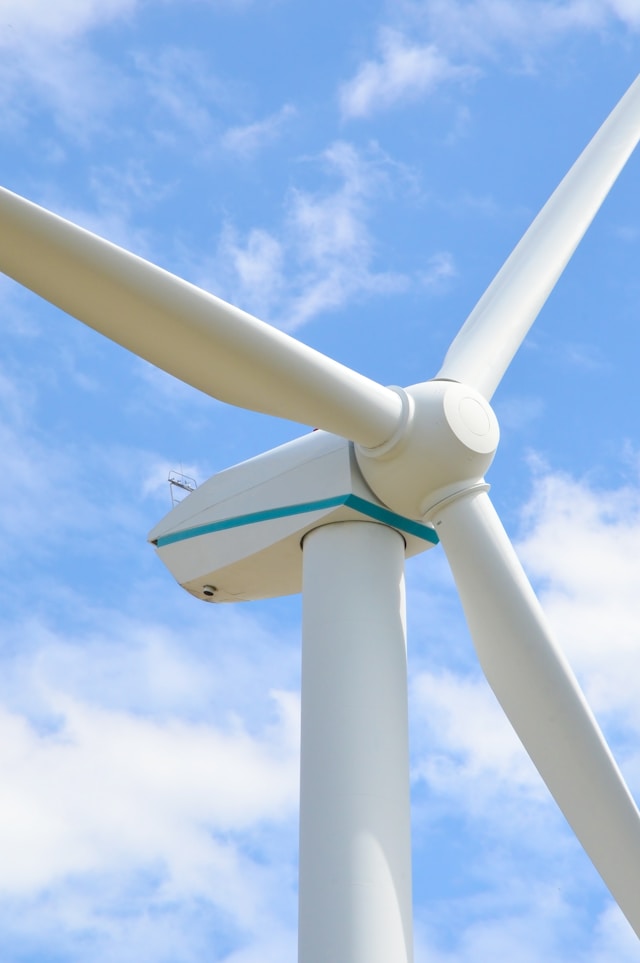
While turbines can interfere with military radar, technology exists to mitigate these effects. Notably, all five suspended projects had previously received Defense Department approval before construction began.
In a statement, Gov. Healey condemned the administration’s actions:
"Vineyard Wind is already providing power and has created thousands of jobs. Halting this project now will only create reliability issues, increase winter electricity bills and cost jobs," she said. "President Trump should be embracing an all-of-the-above approach to American energy, not shutting down critical sources like wind."
The New England regional grid operator, ISO-New England, also stressed the project’s importance: "Canceling or delaying these projects will increase costs and risks to reliability in our region."
Despite the halt, 44 turbines are operational, providing up to 572 megawatts, and the project was scheduled to reach 800 megawatts by March 31, 2026 — enough to power 400,000 homes.
The Vineyard Wind lawsuit represents a pivotal clash between federal authority and renewable energy development. If successful, it could set a precedent for other projects affected by stop-work orders or national security claims.
With billions invested, ongoing power generation, and strong regional support, the case will likely draw intense scrutiny in federal court in the coming weeks.
Originally reported by Miriam Wasser in Wbur.