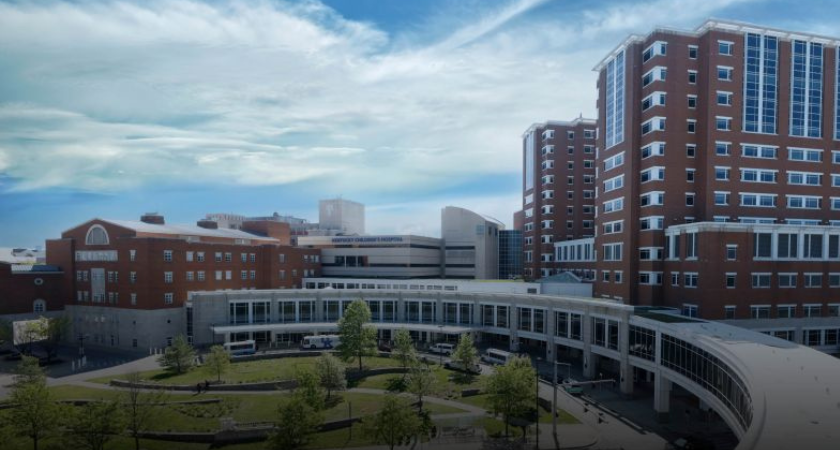
A major campus infrastructure investment at the University of Kentucky is moving into full construction following financial close on a long-term public-private partnership tied to healthcare and academic expansion plans in Lexington, Kentucky.
Kentucky Infrastructure Partners finalized financing for the University of Kentucky Central Utility Plant project, a program valued at approximately $580 million that includes development of a new utility plant, district energy upgrades and resiliency improvements supporting future campus growth.
The project team includes Plenary Americas and Walsh Investors as developers, Walsh-Turner DBJV as design-builder and NORESCO as operations and maintenance provider.
The project centers on construction of a new central utility plant designed to increase steam and chilled water capacity for the university campus. The work also includes installation of new distribution piping, system connections and modernization of existing utility infrastructure.
Project plans incorporate backup power systems intended to improve operational resilience for healthcare facilities, including future expansion of the University of Kentucky Albert B. Chandler Hospital.
Construction activities are expected to continue for roughly 35 months, with project completion targeted for 2029.
Kentucky Infrastructure Partners reached commercial close in May before advancing to financial close in June, allowing the project to proceed into the full construction phase.
The capital structure includes approximately $424 million in tax-exempt senior revenue bonds issued as Series 2026A financing, along with sponsor equity and additional funding sources.
Under the public-private partnership agreement, Kentucky Infrastructure Partners will oversee design, construction, financing, operations and maintenance responsibilities for approximately 30 years after construction completion.
Walsh-Turner DBJV combines Walsh Construction and Turner Construction Company for delivery of the program's design-build scope.
University officials have identified the utility infrastructure investment as a prerequisite for planned healthcare and campus expansion projects. Increased utility capacity is expected to support growth across healthcare, research and academic facilities.
For construction owners and institutional developers, the project reflects continued use of long-term P3 delivery models for large-scale campus infrastructure upgrades, particularly where healthcare expansion and energy resiliency requirements intersect.
The program also highlights ongoing investment in district energy systems and backup power infrastructure as universities and healthcare operators pursue greater operational reliability and support for future capital programs.
Source: Walsh Group.