As labor shortages continue pressuring the construction industry, contractors are placing greater emphasis on internship and early-career development programs designed to attract and retain future talent.
Arizona-based Willmeng Construction announced preparations for its incoming Class of 2026 interns, with teams across the company getting ready to integrate students into project and operational roles throughout the summer.
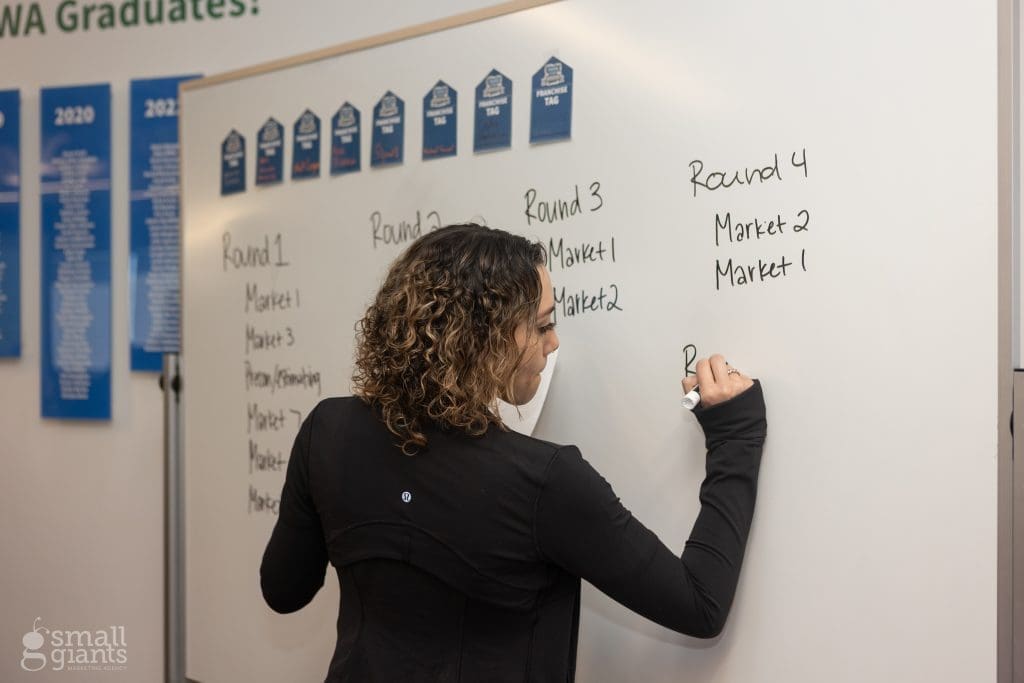
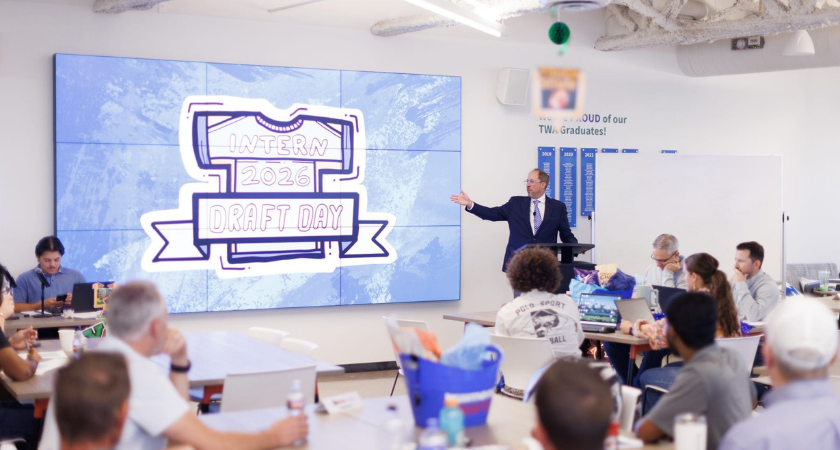
The company’s internship initiative includes its annual “Intern Draft Day,” an internal event in which departments select interns who will join their teams for the season. The program is designed to immerse students directly into construction operations rather than limiting them to observation-based assignments.
According to the company, interns are embedded within departments ranging from field operations and preconstruction to people operations and administrative functions. Participants attend meetings, contribute to active projects and gain exposure to the full project lifecycle from planning through execution.
Willmeng also incorporates educational programming through its internal Willmeng Academy, which introduces interns to broader operational processes and company culture while helping them understand how different roles contribute to project delivery.
The internship push comes as contractors nationwide continue competing for skilled workers, project managers and future industry leaders. Workforce development has become a major priority across the construction sector as firms face aging labor pools, increasing project demand and growing technical requirements tied to modern building methods and infrastructure work.
Industry groups and contractors have increasingly partnered with universities, trade schools and workforce organizations to establish stronger recruiting pipelines. Internship programs are often viewed as a critical long-term strategy for improving retention and exposing students to career opportunities in construction management, engineering and skilled trades.
Willmeng operates across multiple markets including Arizona, Utah and New Mexico, with projects spanning commercial and institutional construction sectors. The company has continued emphasizing culture and workforce engagement as part of its recruitment strategy in a competitive hiring environment.
Construction firms are also using internship initiatives to familiarize students with evolving industry technologies, collaborative delivery methods and safety practices before they enter the workforce full time.
The expansion of internship and workforce development programs signals how contractors are adapting to persistent labor challenges that continue affecting project schedules, pricing and long-term capacity.
For construction owners and developers, firms with established internship and training pipelines may be better positioned to maintain staffing continuity and build future leadership capacity. Workforce stability has become an increasingly important factor in contractor selection as owners seek partners capable of managing complex schedules and sustained project demand.
The growing focus on internships also reflects broader industry efforts to modernize recruitment strategies and improve retention among younger workers entering construction careers. Owners involved in large capital programs may increasingly evaluate contractor workforce development practices as part of prequalification and long-term partnership decision