Mental health awareness is gaining attention as an essential component of construction workforce safety, prompting labor organizations and mechanical contractors to focus on prevention, early intervention and access to support resources.
The United Association (UA) and the Mechanical Contractors Association of America (MCAA) brought industry representatives together for their inaugural joint Mental Health Summit, held Oct. 18-21 in Washington, D.C. The event focused on translating awareness into practical workplace programs that contractors and labor leaders can implement across their organizations and jobsites.
The summit was designed to strengthen cooperation between labor and management while addressing psychological health alongside established physical safety practices.
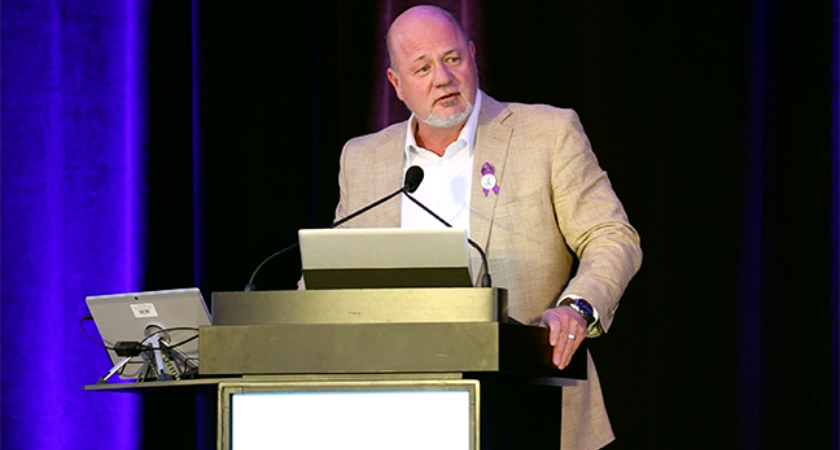
The program opened with remarks from UA General President Mark McManus, followed by a keynote presentation from suicide prevention advocate Kevin Hines.
Sessions covered several workforce-related challenges, including identifying signs of psychological distress, suicide prevention and postvention, substance use awareness and overdose response. Participants also examined the role of employee assistance programs, peer ally networks, leadership engagement and treatment resources.
Narcan administration was among the subjects addressed, reflecting the summit's attention to substance-related risks and emergency response preparedness.
Training resources featured during the event included VitalCog, Hard Hat Courage, peer ally initiatives and the SAFE Project Wellness Workshop. These programs provided approaches for incorporating mental health awareness and support into contractor and labor organization operations.
An optional full-day VitalCog Train-the-Trainer session also equipped participants to deliver mental health awareness education within their respective organizations.
The summit's focus on implementation highlights the importance of continuing mental health initiatives beyond industry events. Contractors and labor representatives were encouraged to bring the training, resources and workplace practices discussed in Washington back to their local organizations and jobsites.
For mechanical contractors, integrating mental health awareness into existing safety and training programs creates an opportunity to strengthen cooperation with labor partners while expanding workforce support beyond physical injury prevention.
The joint initiative also places responsibility on organizational leadership to make mental health resources accessible and sustain conversations about psychological well-being.
Construction employers face workforce safety responsibilities that extend beyond physical hazards. Suicide prevention, substance use awareness, peer support and access to employee assistance resources are relevant considerations for organizations seeking to address broader workforce well-being.
The UA-MCAA summit provides a framework for labor and management to work together on these issues. Its train-the-trainer component also creates a pathway for extending mental health education from industry-level discussions to individual contractor organizations and jobsites.
Source: MCAA.