TROY, Mich. — Major airport construction and renovation programs are increasingly tied to improvements in passenger satisfaction, according to the 2026 JD Power North America Airport Satisfaction Study. The study found that satisfaction increased across all three airport size categories even as passenger volumes remained high.
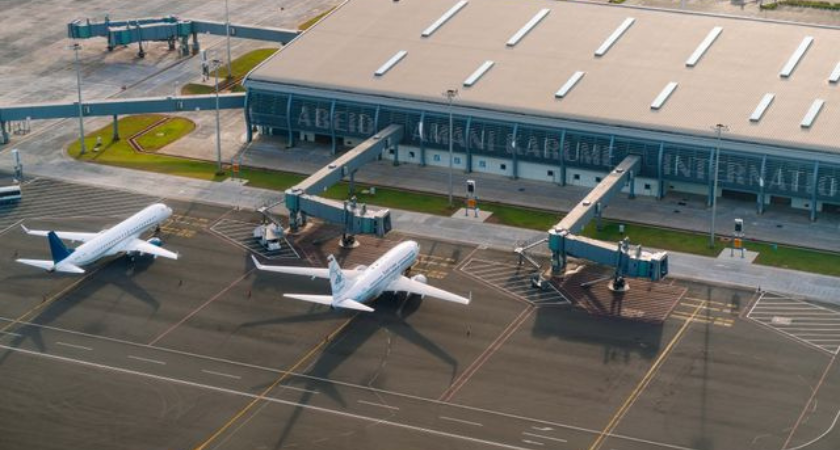
The findings highlight how terminal expansions, renovations, circulation improvements, signage, concessions and other capital investments can influence how travelers experience airport facilities. JD Power said the highest-ranked airports in each category have recently completed or are nearing completion of major capital improvement programs.
Overall satisfaction increased by 14 points among mega airports, 13 points among large airports and 16 points among medium airports compared with the previous year. The study measures airports across seven areas, including ease of travel, terminal facilities, airport staff, food and retail, and arrival and departure experiences.
The research is based on 24,710 completed surveys from U.S. and Canadian residents who traveled through at least one eligible U.S. or Canadian airport. The study was conducted from July 2025 through July 2026.
For airport owners and construction teams, the results point to the importance of coordinating physical improvements with passenger circulation and operational requirements. Projects that add capacity or modernize existing terminal areas can affect wayfinding, gate access, amenities and the overall movement of travelers through the facility.
The study identified clear signage and effective wayfinding as important elements of passenger satisfaction. Terminal design that reflects the character of the surrounding city or region also contributed to the passenger experience.
Food, beverage and retail programs also improved across airport segments. JD Power reported an eight-point year-over-year increase in satisfaction with these offerings, with airports incorporating local brands while maintaining familiar national options.
The findings place greater emphasis on the relationship between construction decisions and the completed facility's day-to-day operation. Layout, circulation, signage and amenity placement can remain important after major construction work is finished.
The 2026 rankings also show how airport capital programs can coincide with broader improvements in passenger experience. Minneapolis-Saint Paul International Airport ranked highest among mega airports, Tampa International Airport led the large-airport category, and Charleston International Airport led medium airports.
The study found that passengers who rated their airport experience as perfect spent an average of $47.60 inside the terminal, $20.22 more than those who rated their experience as just OK.
For airport owners, developers and construction contractors, the findings reinforce that capital programs can address more than physical capacity. Terminal configuration, passenger movement, amenities and local design elements can all become part of the performance considerations for major airport projects.
The study provides current evidence that airport capital improvements are associated with higher passenger satisfaction across multiple facility sizes. For the construction industry, the results underscore the importance of designing and delivering airport projects that improve circulation, terminal functionality, amenities and the overall passenger environment while accommodating sustained travel demand.
Source: Business Wire.