Energy storage development in the U.S. continues to accelerate, as Arevon Energy, Banpu Power and Energy Vault collectively announced new battery energy storage system (BESS) projects totaling 1,550MWh across California and Texas.
The announcements coincide with the Energy Storage Summit 2026 in Dallas, highlighting continued momentum in two of the nation’s most active energy storage markets.
Arevon Energy has officially begun construction on its Cormorant BESS project in Daly City, California. The 250MW/1,000MWh system represents a major investment of approximately $600 million and is expected to come online in 2027.
The project, which has a long-term offtake agreement with MCE, was expanded from its original design, reflecting growing demand for grid-scale storage capacity.
Engineering, procurement and construction services are being delivered by Primoris Services Corporation through its renewables division.
California remains the largest U.S. market for battery storage, driven by aggressive clean energy targets and the need to stabilize grids with high renewable penetration.
In Texas, both Banpu Power and Energy Vault are expanding their presence through acquisitions in the state’s rapidly growing energy storage sector.
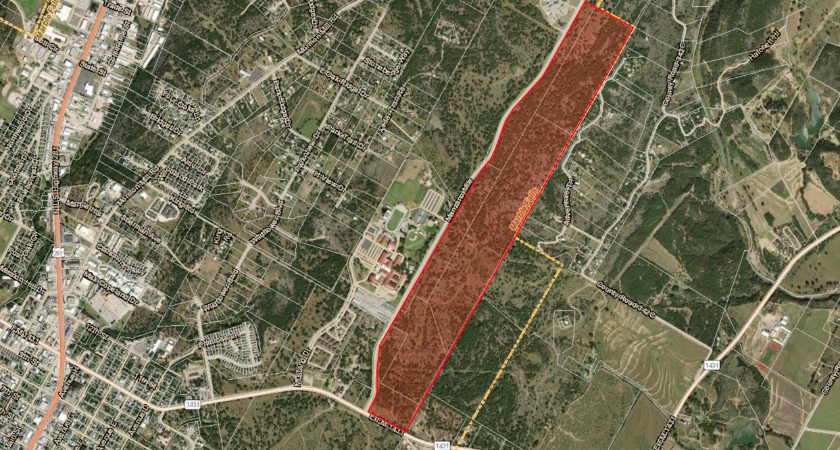
Banpu Power has acquired the Megamouth BESS project in Houston, Texas. The 100MW/200MWh project will require approximately $90 million in investment and is expected to reach commercial operation in the fourth quarter of 2027.
The project benefits from a 40% investment tax credit, which remains in place despite broader policy shifts affecting renewable energy incentives.
Meanwhile, Energy Vault has acquired the 175MW/350MWh McMurtre BESS project from Belltown Power. The project is targeting ready-to-build status by late 2026, with commercial operations anticipated by December 2027.
Energy Vault noted that the project already has a Small Generator Interconnection Agreement and full site control, positioning it for a relatively streamlined path to construction. The company is also evaluating multiple potential offtake partners.
These developments underscore the growing importance of battery storage in supporting grid reliability and renewable energy integration.
Texas’ ERCOT market and California’s clean energy policies have made both states leading hubs for BESS deployment. Storage systems play a critical role in balancing supply and demand, especially as solar and wind generation continue to expand.
The increasing scale of projects—from hundreds of megawatt-hours to gigawatt-hour systems—reflects rising confidence in the long-term economics of storage.
The latest wave of BESS investments highlights how energy storage is becoming a cornerstone of modern power infrastructure, particularly as grids transition toward higher shares of intermittent renewable energy. Large-scale battery systems not only help stabilize electricity supply during peak demand periods but also enable more efficient use of solar and wind resources by storing excess generation for later use. In markets like Texas and California, where extreme weather events and grid volatility have underscored the need for resilience, storage projects are increasingly viewed as essential infrastructure rather than optional add-ons. Additionally, continued advancements in battery technology, declining costs and supportive policy mechanisms—such as investment tax credits—are accelerating deployment timelines and attracting both domestic and international investors into the sector.
Originally reported by Cameron Murray in Energy Storage News.