

How Prefabricated Steel Construction Is Reshaping Project Timelines and Budgets Across North America
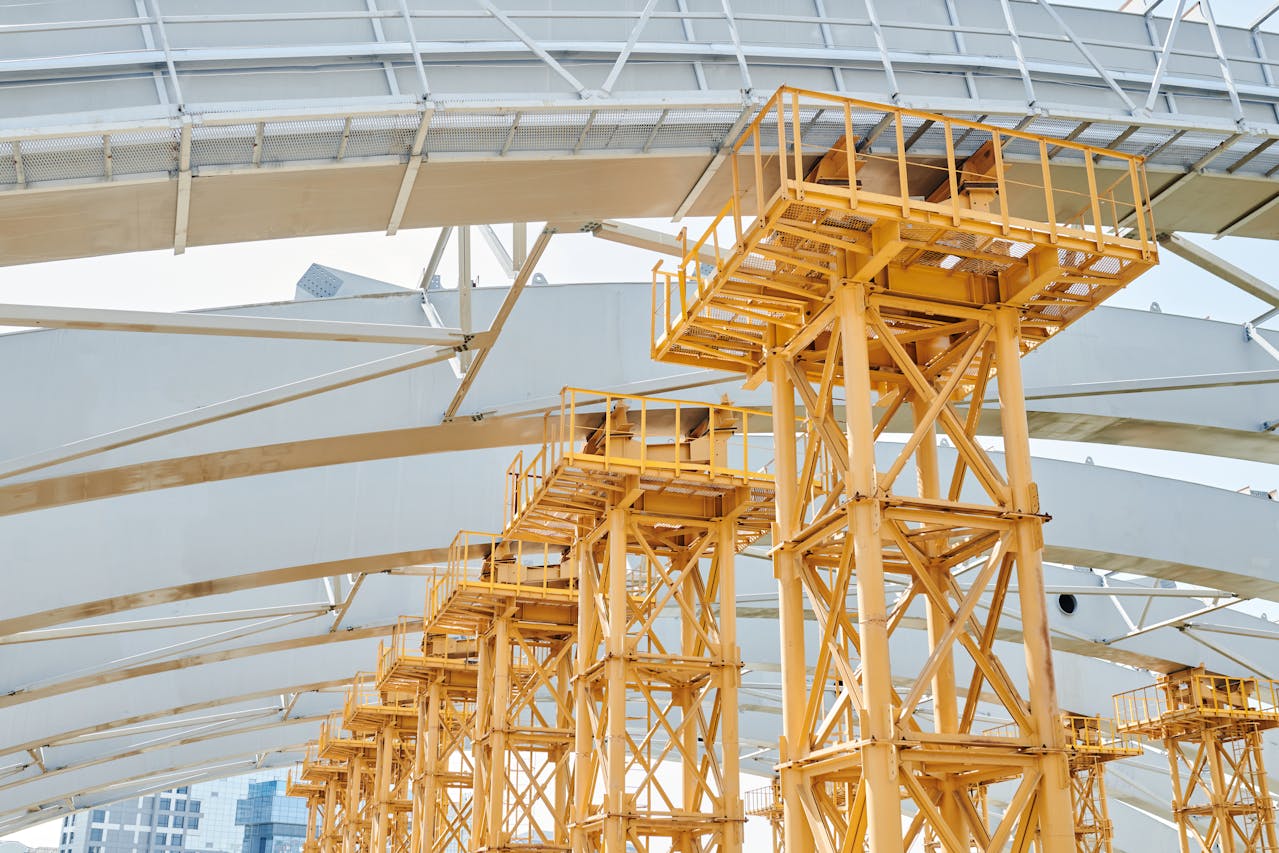
A data-driven look at why prefabricated metal buildings are compressing build times and changing the cost equation for commercial, agricultural, and residential construction
If you have been involved in any kind of construction project over the past five years, you have probably noticed something. The buildings going up fastest are not the ones being framed with lumber on site. They are the ones that show up on a flatbed truck, pre-engineered and ready to bolt together.
Prefabricated steel construction, sometimes called pre-engineered metal building (PEMB) construction, has been quietly taking market share from traditional building methods for over a decade. What started as a cost-saving strategy for warehouses and agricultural buildings has expanded into commercial offices, retail spaces, automotive shops, and even custom residential garages and workshops.
The numbers tell a compelling story. According to the Metal Building Manufacturers Association (MBMA), pre-engineered metal buildings now account for roughly 50% of all new low-rise nonresidential construction in the United States. That is not a fringe trend. That is half the market.
So what is driving this shift? And what should construction professionals and property owners understand before deciding whether prefabricated steel makes sense for their next project? Let us break it down with real data and practical context.
The Timeline Advantage That Changes Everything

Ask any contractor what kills project budgets, and the answer is almost always the same. Delays. Weather delays, material delays, labor scheduling conflicts, inspection holdups. Every extra week on a construction timeline costs money in labor, equipment rental, and carrying costs.
Prefabricated steel construction compresses timelines dramatically compared to traditional methods. A conventional commercial building project using stick framing or concrete block typically takes 6 to 12 months from groundbreaking to occupancy. A comparable pre-engineered metal building can be erected in 8 to 14 weeks after the foundation is poured.
How is that possible? The answer is parallel processing. While the concrete foundation is being prepared on site, the building components are being manufactured in a factory hundreds of miles away. The steel framing, wall panels, roof panels, trim, and fasteners all arrive on site cut to specification and ready for assembly. There is no on-site cutting, welding, or fabrication required.
This parallel workflow eliminates one of the biggest bottlenecks in traditional construction. Instead of sequential phases where each trade waits for the previous one to finish, the manufacturing and site preparation happen simultaneously.
The Bureau of Labor Statistics reports that construction labor productivity has remained essentially flat for decades, even as other industries have seen significant gains. Prefabricated construction is one of the few approaches that meaningfully addresses this productivity gap by moving the most labor-intensive work into a controlled factory environment.
The Economics in Plain Numbers
Cost is where prefabricated steel construction makes its strongest case, but the comparison requires looking beyond the sticker price of materials.
On a per-square-foot basis, the raw material cost of a pre-engineered metal building typically runs $15 to $25 per square foot for the building package (framing, panels, trim, fasteners). A comparable wood-frame commercial building runs $20 to $35 per square foot for framing materials alone. Concrete block construction runs even higher at $25 to $45 per square foot for the shell.
But materials are only part of the equation. Labor costs on a prefabricated steel project run significantly lower because the erection process requires fewer skilled tradespeople and fewer hours. A three-person crew can erect a 40x60 metal building shell in roughly one week. The same footprint in wood framing requires a larger crew working two to four weeks.
When you add up materials, labor, reduced timeline carrying costs, and lower long-term maintenance expenses, the total cost of ownership for a pre-engineered metal building typically comes in 20% to 40% below a comparable traditional structure. For a 5,000 square foot commercial building, that can translate to $50,000 to $100,000 in savings over the building's life.
Clear-Span Engineering and Why It Matters

One of the most significant engineering advantages of prefabricated steel construction is clear-span design. A clear-span building uses rigid frame engineering to eliminate the need for interior support columns. The entire width of the building is open, uninterrupted space.
For context, traditional wood-frame construction typically requires load-bearing walls or columns every 20 to 24 feet. That means a 60-foot-wide building needs at least two rows of interior columns, which limits how you can use the space.
Pre-engineered steel buildings can achieve clear spans up to 200 feet or more without a single interior column. Even standard residential and light commercial buildings routinely achieve 40 to 80 foot clear spans. This matters enormously for practical applications.
- Agricultural buildings. Equipment storage, livestock housing, and hay barns need open floor plans for machinery access and maneuverability.
- Automotive and workshop spaces. Lift placement, vehicle circulation, and workbench layouts all benefit from unobstructed floor space.
- Commercial warehousing. Racking systems, forklift aisles, and inventory staging areas work best without columns interrupting the layout.
- Retail and event spaces. Open floor plans allow flexible merchandising and event configurations.
The structural integrity of clear-span metal buildings comes from the rigid frame design, where the columns and rafters are engineered as a single connected unit. This distributes loads across the entire frame rather than concentrating them at interior support points. The result is a building that handles wind, snow, and seismic loads effectively while providing maximum usable interior space.
The Foundation Factor That Gets Overlooked
Here is where many prefabricated steel projects run into trouble. The building itself is engineered to tight specifications, but the foundation it sits on is often an afterthought.
A pre-engineered metal building requires a concrete slab foundation designed to handle the specific loads and anchor point locations of that particular building. This is not a generic "pour a 4-inch slab and call it done" situation. The foundation design needs to account for several critical factors.
- Anchor bolt placement. The bolt pattern must match the building's column layout exactly. Misalignment by even an inch can create major problems during erection.
- Slab thickness. Standard 4-inch slabs work for light-use buildings, but shops with vehicle traffic or heavy equipment typically need 5 to 6 inches with reinforced edges.
- Frost depth. In northern climates, footings must extend below the frost line to prevent heaving. This can mean 36 to 48 inches deep in states like Minnesota, Wisconsin, and the Dakotas.
- Drainage. Water management around and under the slab prevents settling, cracking, and moisture intrusion. A gravel base with proper grading is essential.
The disconnect between the building manufacturer and the local concrete contractor is one of the most common sources of problems in prefabricated construction projects. The building arrives engineered to perfection, but if the slab was poured without referencing the building's anchor bolt plan, the project stalls immediately.
The best practice is simple. Get the foundation engineering drawings from the building manufacturer before the concrete contractor breaks ground. This sounds obvious, but according to industry contractors, it gets skipped more often than anyone would like to admit.
Sustainability by Design, Not by Marketing
The environmental case for prefabricated steel construction is one of the strongest in the building industry, and it is based on measurable outcomes rather than aspirational claims.
Steel is the most recycled material on earth. According to the American Iron and Steel Institute, steel has a recycling rate exceeding 90% in the construction sector. Every pre-engineered metal building contains a significant percentage of recycled content, and every component is fully recyclable at end of life without degradation in quality.
Compare that to wood framing, where the Environmental Protection Agency reports that construction and demolition waste accounts for over 600 million tons of material sent to landfills annually in the United States. A significant portion of that waste comes from wood-frame construction offcuts, damaged materials, and demolition debris.
Prefabricated steel construction addresses waste at the source. Because components are manufactured to exact specifications in a factory using computer-aided cutting, material waste during manufacturing is minimal. Whatever scrap is generated gets recycled directly back into the steel production stream. On the construction site itself, there is almost no waste generated during erection because there is no cutting, trimming, or fitting happening in the field.
The longevity factor amplifies the sustainability advantage. A wood-frame building in a humid climate may need significant structural repairs or replacement within 20 to 30 years. A galvanized steel building will last 30 to 50 years with minimal structural maintenance. Over a 50-year horizon, one steel building replaces what might require two or three wood-frame construction cycles.
Addressing the "Metal Buildings Look Cheap" Misconception
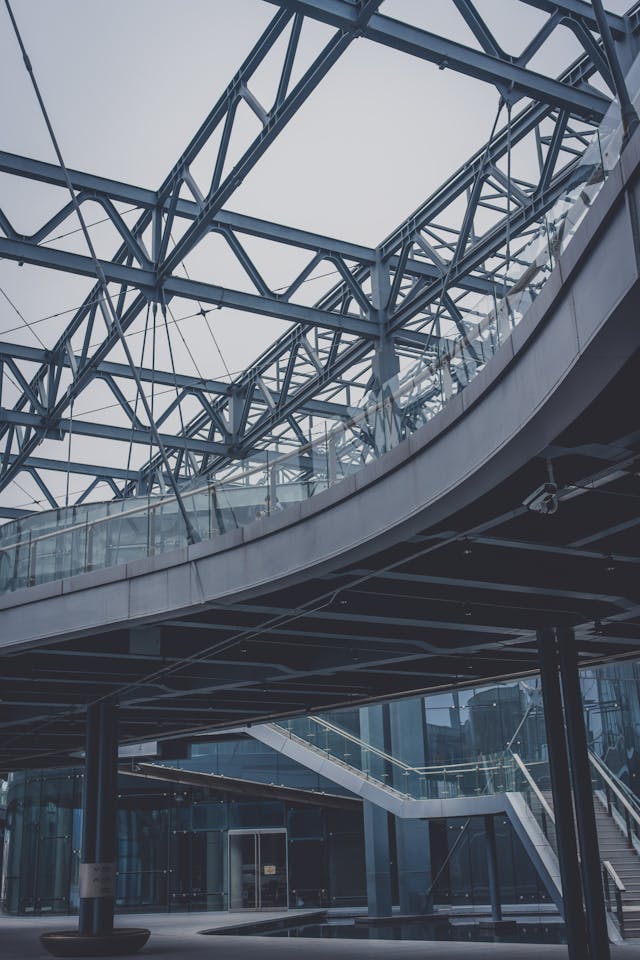
If you mention metal buildings to someone outside the construction industry, their mental image is probably a corrugated tin barn from 1985. That perception is outdated by about three decades.
Modern pre-engineered metal buildings can incorporate virtually any exterior finish. Stucco facades, brick wainscoting, stone veneer, architectural standing-seam panels, and composite wall systems all integrate with steel framing. From the outside, many contemporary metal buildings are indistinguishable from conventional construction.
The interior finishing options are equally flexible. Drywall, insulation systems, climate control, plumbing, electrical, and interior partitions all install the same way they would in any conventional building. The steel frame is the skeleton. Everything else is the same as traditional construction.
This flexibility has opened up applications that would have been unthinkable for metal buildings 20 years ago. Custom residential workshops that match the aesthetic of the main house. Retail storefronts with modern architectural finishes. Office buildings with full interior buildouts. The structural system is steel, but the finished product can look like anything you want it to.
What Construction Professionals Should Evaluate
If you are considering prefabricated steel for an upcoming project, here are the practical evaluation points that matter most.
Match the building to the use case. Prefabricated steel excels at single-story, large-footprint, open-span applications. Multi-story buildings, heavily compartmentalized floor plans, and structures requiring extensive interior load-bearing walls may be better served by conventional framing or hybrid approaches.
Get the foundation right the first time. Coordinate between the building manufacturer and the concrete contractor before any ground is broken. The anchor bolt plan, slab thickness, and footing depth need to be specified by the building engineer, not guessed at by the concrete crew.
Understand the insulation requirements. An uninsulated metal building is essentially a large oven in summer and a freezer in winter. If the building will be occupied or climate-controlled, budget for proper insulation from the start. Retrofitting insulation into a metal building after the fact is expensive and less effective.
Plan for future expansion. One of the underrated advantages of steel framing is expandability. Endwalls can be designed as future expansion points, allowing you to extend the building length without structural modifications to the existing frame. If there is any chance you will need more space in five years, discuss this with the manufacturer upfront.
Verify local code compliance. Pre-engineered buildings are designed to meet building codes, but the specific wind speed, snow load, and seismic zone ratings need to match your local jurisdiction. A building engineered for Florida's wind loads is different from one engineered for Montana's snow loads. Make sure the specifications match your location.
Where the Industry Is Heading
The trajectory of prefabricated steel construction points toward continued growth and broader adoption. Several factors are driving this outlook.
Labor shortages in the construction industry show no signs of easing. The Associated General Contractors of America has reported persistent workforce shortages across virtually every construction trade. Prefabricated construction reduces the skilled labor required on site, which makes it increasingly attractive as the labor pool tightens.
Material price volatility, particularly in lumber, has pushed more builders toward steel. While steel prices also fluctuate, the overall cost trajectory for prefabricated steel buildings has remained more predictable than lumber-based construction over the past five years.
Building technology integration is accelerating. Modern pre-engineered buildings increasingly incorporate solar panel mounting systems, energy-efficient insulation packages, and smart building controls as standard or optional features. The factory manufacturing process makes it easier to integrate these technologies consistently than field-built approaches.
For construction professionals and property owners evaluating their options, the data increasingly supports prefabricated steel as a serious contender for any project where timeline, cost, and long-term durability are priorities. The industry has moved well beyond the "cheap metal shed" era into a mature, sophisticated building system that competes directly with conventional construction on every metric that matters.
The question is no longer whether prefabricated steel is a viable alternative. It is whether your next project can afford not to consider it.



TOP STORIES
View AllRECOMMENDED
.png)

