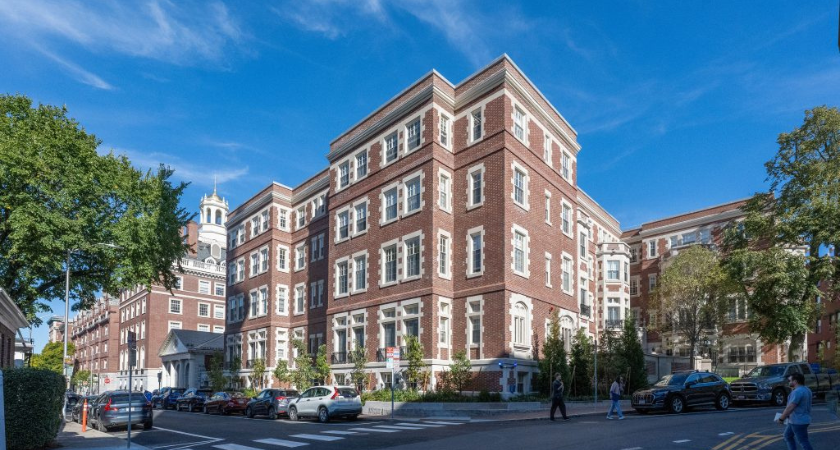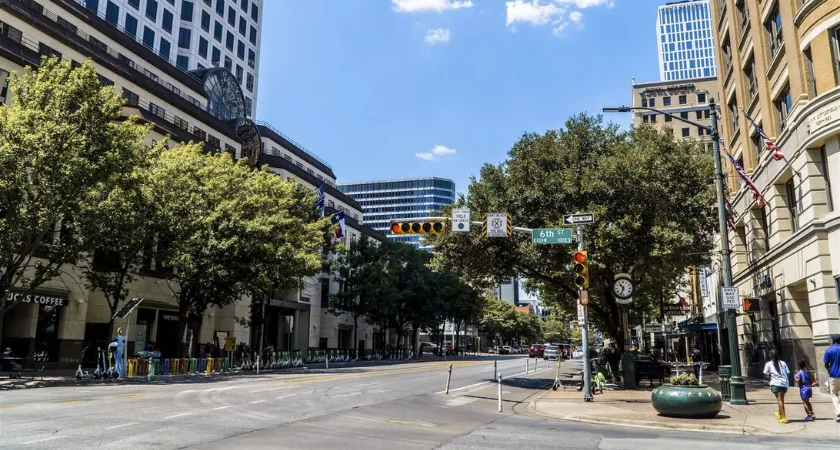
A surge in housing construction across Austin has helped reverse years of soaring rents, offering a compelling example of how policy reform and supply expansion can improve affordability in fast-growing cities.
.webp)
After experiencing rapid population growth in the 2010s, Austin saw housing demand far outpace supply, pushing rents up nearly 93% between 2010 and 2019. Home prices also surged, rising 82% during the same period—among the highest increases in Texas.
In response, city leaders rolled out a series of reforms beginning in 2015 aimed at increasing housing production, particularly rental units. These included zoning changes to allow denser development, expanded use of mixed-use projects and transit-oriented housing, as well as efforts to streamline permitting and reduce construction barriers.
The results have been substantial. From 2015 to 2024, Austin added approximately 120,000 housing units—an increase of 30%, far exceeding the national growth rate of 9%.
Key reforms included allowing larger apartment buildings near employment hubs, reducing parking requirements and expanding eligibility for accessory dwelling units (ADUs). The city also introduced zoning categories like Vertical Mixed Use (VMU), which encouraged higher-density development while incorporating design and environmental standards.
Targeted rezoning in areas such as downtown and neighborhoods near the University of Texas at Austin further boosted housing supply through density bonus programs, which allow taller buildings in exchange for including affordable units.
Additionally, Austin voters approved major housing bonds, including a $250 million initiative in 2018 and a $350 million measure in 2022, to fund affordable housing construction and preservation.
The increase in housing supply has directly impacted rental prices. After peaking in 2021, Austin’s median rent dropped from $1,546 to $1,296 by early 2026—falling below the national median.
Rent reductions were particularly notable in larger apartment buildings, where prices fell 7% between 2023 and 2024, the steepest decline among major U.S. metro areas. Older, non-luxury “Class C” buildings saw even sharper declines of around 11%, benefiting lower-income renters the most.
These shifts have improved affordability metrics across the city. The share of median income required to afford rent has decreased, making housing accessible to a broader segment of residents despite continued population growth.
Austin’s broader metropolitan area also experienced strong housing expansion, though suburban development leaned more heavily toward single-family homes, accounting for 77% of new units outside the city core.
.jpg)
Austin’s housing strategy highlights the importance of multi-layered policy reform rather than a single solution. By combining zoning flexibility, financial incentives and streamlined permitting, the city created an environment where developers could respond quickly to demand.
Another key factor has been the city’s willingness to embrace a diverse housing mix, including apartments, townhomes, duplexes and ADUs. This diversification has helped meet the needs of different income groups while reshaping the city’s housing profile—apartments now make up a significantly larger share of new construction.
Looking ahead, Austin continues to push reforms through initiatives like the HOME program, which encourages “missing middle” housing such as duplexes and triplexes, and new permitting tools designed to cut approval times. Innovations like AI-assisted plan reviews are also being tested to further accelerate development.
Despite progress, challenges remain. Housing demand continues to grow, and estimates suggest the region still faces a supply gap of more than 20,000 units. A slowdown in construction could place upward pressure on rents again if supply fails to keep pace.
Still, Austin’s experience demonstrates that sustained policy action and increased housing production can meaningfully improve affordability—even in one of the fastest-growing cities in the United States.
Originally reported by Liz Clifford, Seva Rodnyansky, and Dennis Su in PEW.