Construction firms and project owners continue increasing investment in workforce development initiatives as labor shortages persist across skilled trades sectors tied to infrastructure, manufacturing and industrial construction.
Bechtel recently hosted a construction career training program in Ohio aimed at expanding awareness of skilled trade opportunities among high school students and supporting future workforce pipelines for the construction industry.
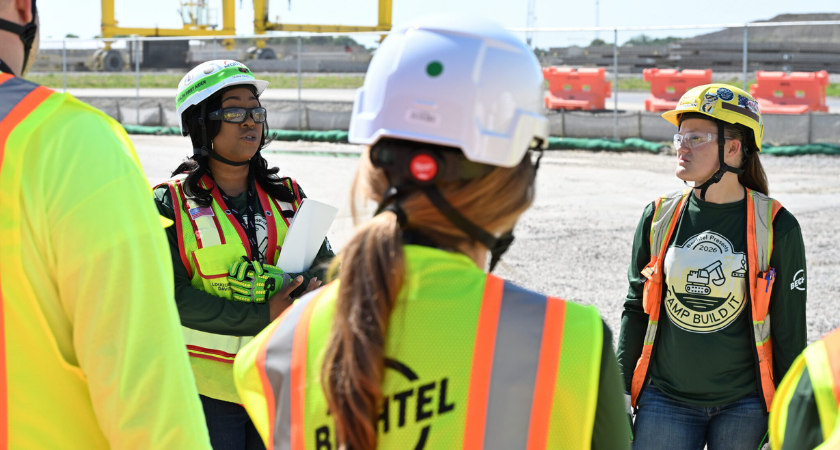
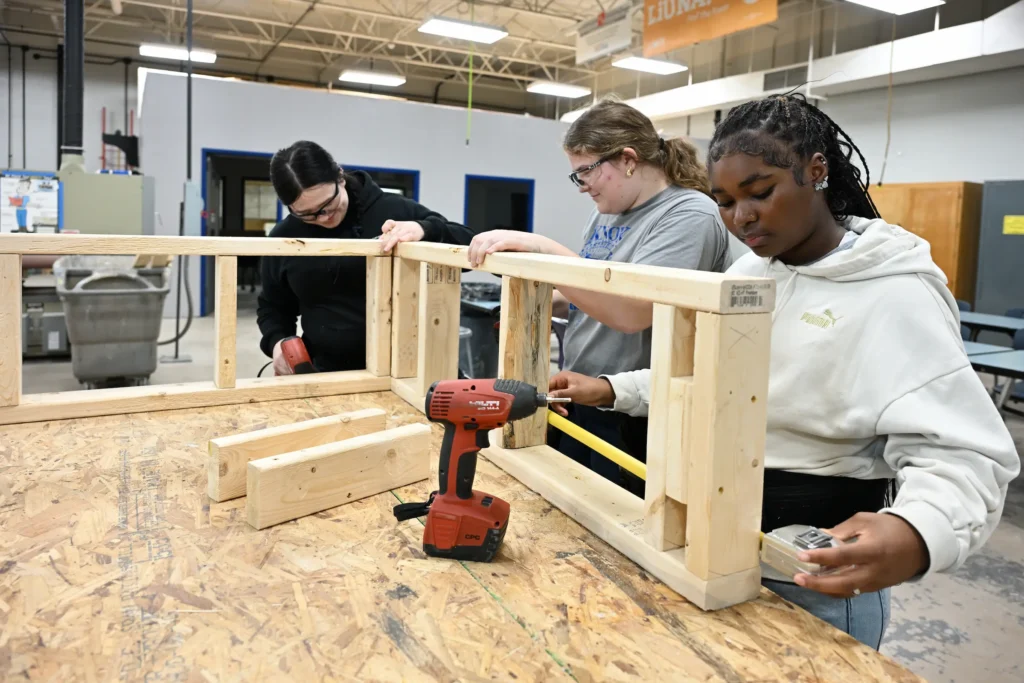
The initiative, known as Camp Build It, brought together female students between the ages of 14 and 18 for hands-on construction training and industry mentorship activities.
The program was conducted at the Knox County Career Center and included introductory instruction in welding, electrical work, carpentry and pipefitting.
Participants worked with industry-standard equipment and safety gear while receiving guidance from Bechtel craft professionals and construction personnel. The camp also included discussions focused on construction career pathways and opportunities within the skilled trades sector.
Students toured an active construction project in the region as part of the program and met with local labor and union representatives to learn more about apprenticeship and workforce entry opportunities following high school graduation.
Bechtel stated the initiative aligns with broader workforce outreach efforts designed to increase awareness of construction careers and help address long-term labor needs within the industry.
Women remain underrepresented across construction trades positions despite growing workforce demand throughout the industry.
Bechtel reported that women account for nearly 30% of its U.S. workforce, while broader industry participation rates remain significantly lower across construction occupations.
Contractors across infrastructure, advanced manufacturing and industrial construction sectors continue expanding recruitment initiatives as project pipelines increase nationwide. Workforce development programs have become a growing focus for owners and contractors managing large-scale capital programs that require long-term skilled labor availability.
For construction owners, specialty contractors and developers, workforce availability remains a critical factor affecting project delivery schedules, labor costs and procurement strategies.
Industry-led workforce initiatives tied to trade education, apprenticeship awareness and early career exposure are increasingly viewed as necessary components of long-term labor planning. Programs that introduce students to skilled trades careers may help contractors strengthen future labor pipelines while supporting regional workforce capacity for infrastructure and industrial construction projects.
Source: Bechtel.