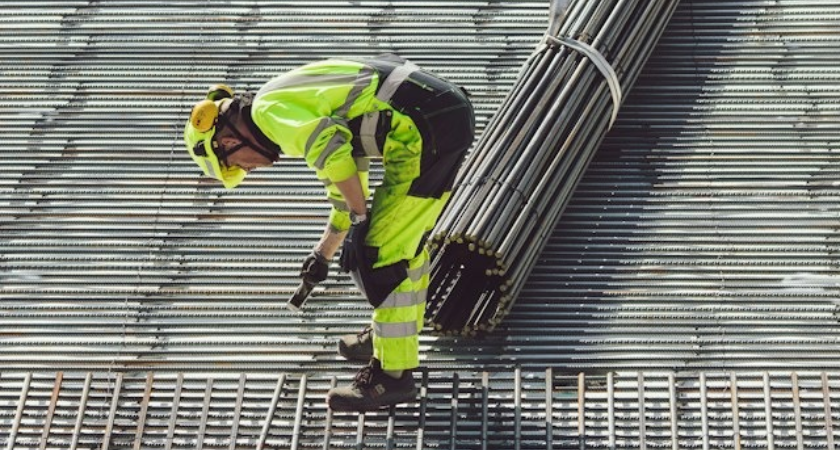
Bridge rehabilitation projects are critical for maintaining highway capacity and extending the service life of aging transportation assets. Brayman Construction is advancing rehabilitation work on the I-64 Sandstone Bridge in Summers County, West Virginia, under a contract with the West Virginia Division of Highways.
The project includes repairs to the bridge deck, modifications to a semi-integral abutment and repairs to beam seats. Concrete repairs are also being performed on portions of the bridge substructure.
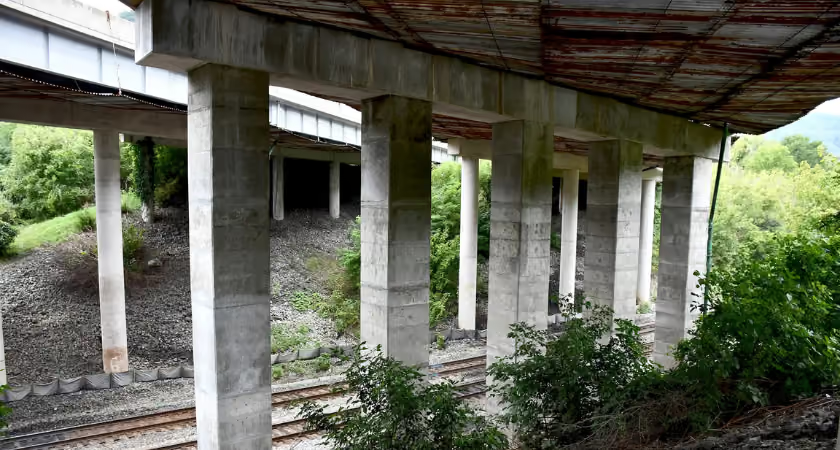
The contract was expanded to include additional work on the center pier, including encasements for the pier columns and caps. The added scope addresses structural components below the bridge deck as part of the broader rehabilitation program.
Brayman Construction is serving as the prime contractor and is coordinating construction activities with the West Virginia Division of Highways, design engineers, subcontractors and inspection personnel.
Work on the Sandstone Bridge is being performed under demanding traffic control conditions because the structure carries I-64 traffic. Construction activities also take place adjacent to the CSX Railroad, requiring coordination between highway, construction and railroad operations.
The combination of active highway traffic, railroad proximity and structural repair work creates logistical requirements for sequencing, access and worker safety. Such conditions are common on rehabilitation projects involving bridges that remain part of active transportation networks.
The Sandstone Bridge rehabilitation illustrates the construction challenges involved in maintaining existing highway infrastructure while keeping transportation corridors operational. For owners and contractors, projects of this type require careful coordination of structural repairs, traffic management, inspection and work near active rail facilities.
Continued investment in bridge rehabilitation can help transportation agencies address deteriorating structural components without relying solely on full bridge replacement, while contractors must manage increasingly complex work zones and stakeholder requirements.
Source: Brayman Construction.