Forty-seven years is a long time to do anything. In construction, where firms rise and collapse with market cycles, it borders on extraordinary. RD Olson Construction has survived and grown through recessions, labor shortages and supply chain crises by doing something counterintuitive: narrowing its focus instead of broadening it.
The firm built its entire identity around hospitality. Not hospitality as one practice among many, but as the sole organizing principle of the business. That bet, sustained across nearly five decades, is why RD Olson now counts roughly 80% of its annual revenue from repeat clients and why developers keep coming back long after their first project wraps.
Most general contractors scale by chasing volume across sectors. RD Olson scaled by going deeper into one. Founder Bob Olson made a defining decision in the late 1990s to not just build hotels, but to own and operate them. The company now owns more than 20 properties, which means it has spent decades living with the operational consequences of its own construction decisions.
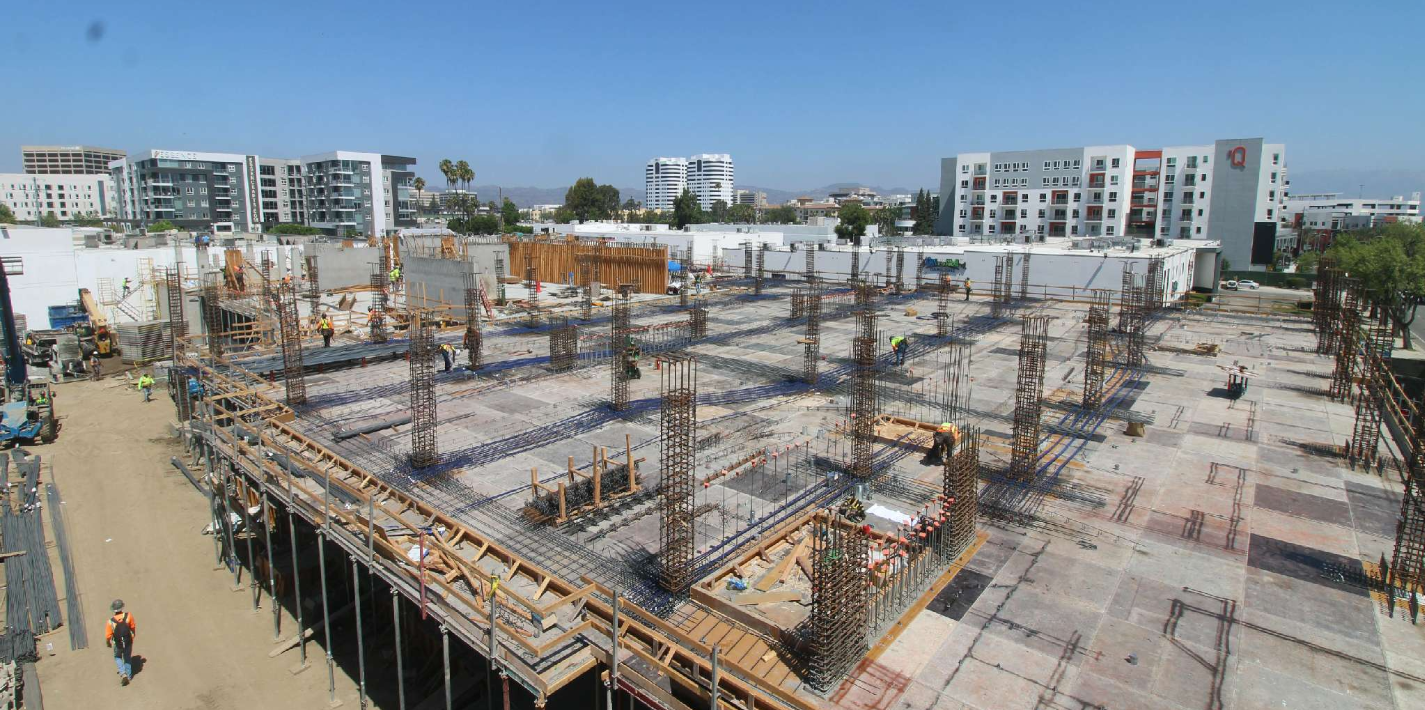
That ownership experience changed how the firm serves third-party clients. Its teams understand how a poorly coordinated mechanical system affects a hotel's energy costs for years. They understand how back-of-house layout decisions ripple into daily operations. They think like owners because, on a significant portion of their portfolio, they are.
"When you focus on that as your backbone, you're able to be a little more selective," says Bill Wilhelm, President of the firm.
Selective is the operative word. Wilhelm turns down more work than he accepts. Projects are evaluated against the firm's core values before anyone pursues them. That discipline is what keeps the client list tight and the repeat rate high. Where other firms compete on price and availability, RD Olson competes on fit.
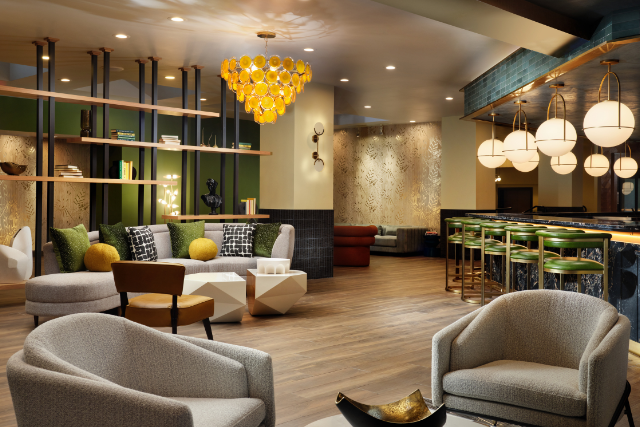
Hospitality construction is genuinely harder than it looks. Building a hotel is not building an apartment with a nicer lobby. Back-of-house mechanical systems, commercial kitchen infrastructure and HVAC configurations that must simultaneously serve guest rooms and exhaust systems require a specialized discipline most commercial builders never develop.
When RD Olson expanded into multi-unit residential and affordable housing in recent years, new clients were initially unmoved by the hospitality pitch. After the first few projects closed, their perspective shifted. The complexity that hospitality demanded had made RD Olson's teams better at coordination, systems thinking and compressed decision-making than builders who had only worked in simpler project types.
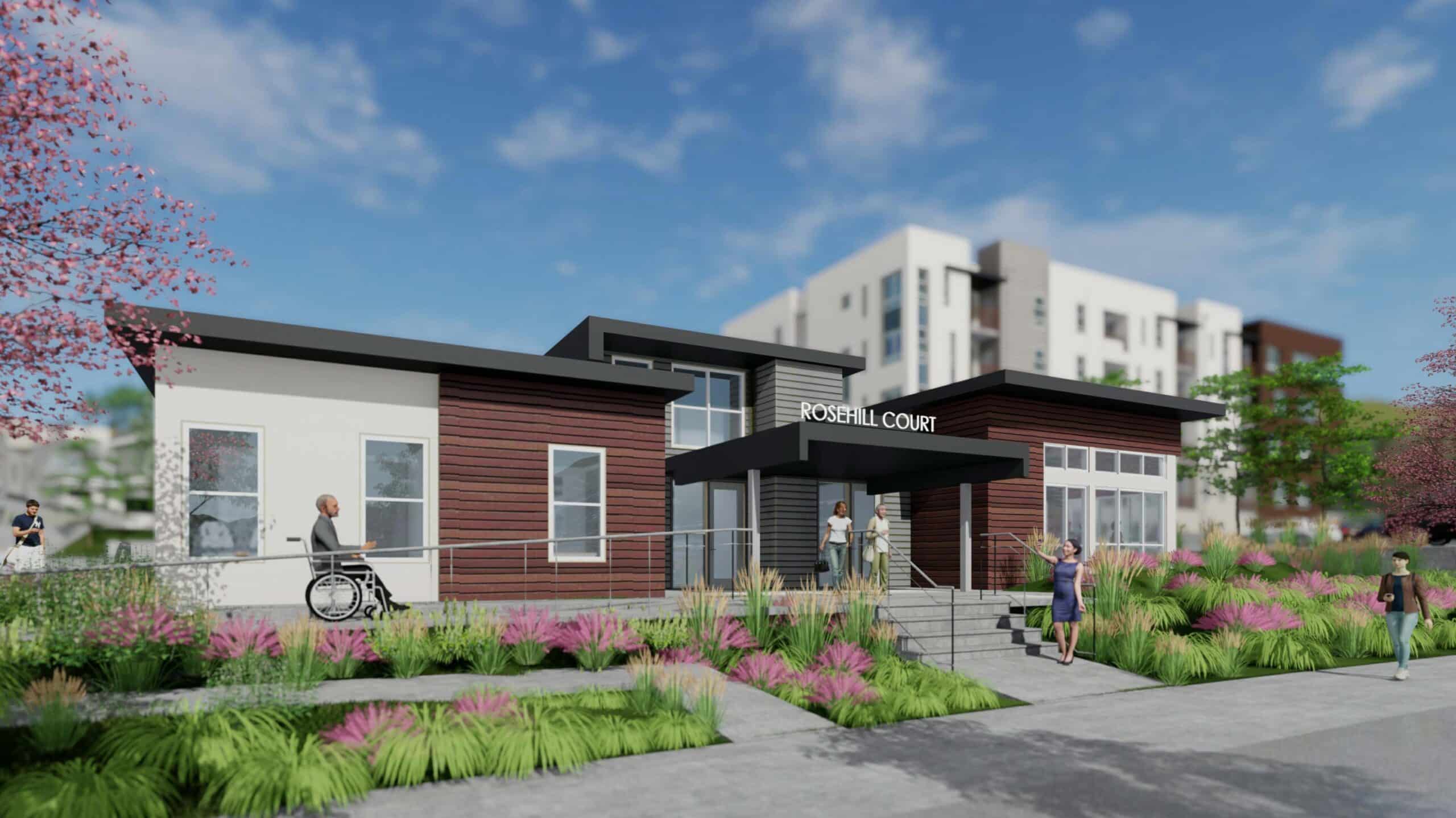
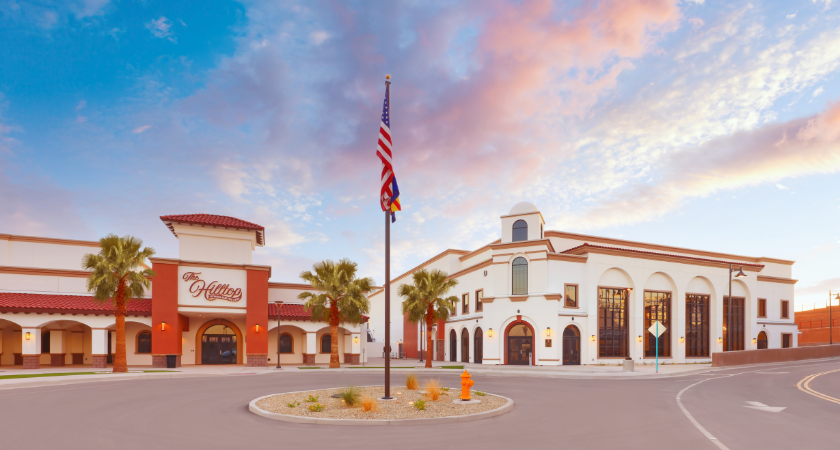
That competency showed up clearly on the Apalachian Healdsburg, a multi-structure campus resort in Sonoma County wine country delivered in 22 months despite a thin local subcontractor base and a first-time hospitality developer. The firm compressed decision cycles by embedding on-site with the interior design firm one to two days per week, resolving ceiling details, trim specifications and finish decisions in real time rather than waiting on RFI queues. The same approach is now being applied to two high-end resorts being compressed from 30-month to 24-month schedules ahead of the 2028 Los Angeles Olympics.
The longevity of the firm is not just a product of focus and relationships. It is also a product of the willingness to invest in tools that extend what experienced people can do.
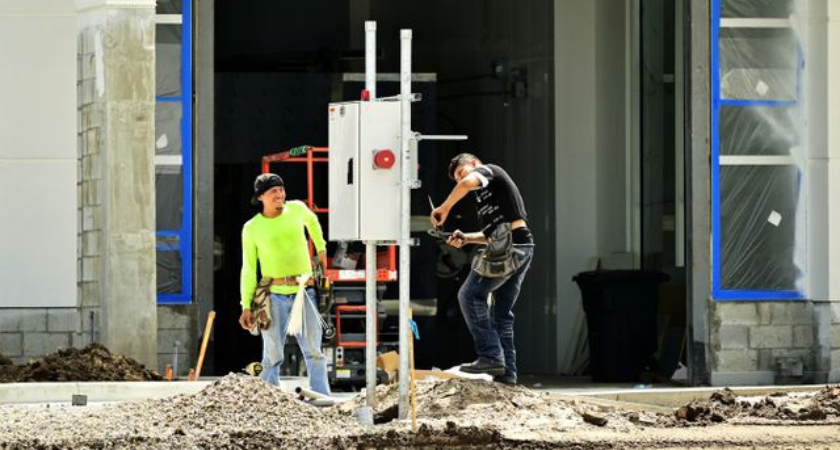
RD Olson's 35 active superintendents include many with 20 to 40 years of field experience. They are required to be technically fluent with CAD, Bluebeam and electronic image markup tools that allow real-time collaboration with off-site designers. A superintendent who can capture a field condition, annotate it digitally and share it with a designer in the same conversation catches coordination problems before they become safety problems. That connection between technical fluency and job site safety is something Wilhelm treats as non-negotiable.
The firm has gone further. Eighteen of its 35 superintendents have completed formal AI training, and all 35 use AI-assisted applications in some form. Within weeks of a recent interview, RD Olson planned to deploy AI robotics on a Woodland Hills project, a system that projects CAD data directly onto the deck and verifies whether the digital model holds up in three dimensions on the actual jobsite.
"We are spending the dollars," Wilhelm says, "Because end of the day it improves the schedule, mitigates quality issues and ultimately increases profitability for our partners."
The investment logic is straightforward: experienced workers equipped with better tools are more valuable than experienced workers without them. Training superintendents in their 50s and 60s on AI tools alongside younger hires means field knowledge and technical fluency move in both directions. Neither generation holds all the answers alone.
Seven projects were entering groundbreaking simultaneously at the time of a recent interview. Wilhelm's approach to commodity volatility follows a clear principle: lock in what you can, as early as possible, and warehouse what you must.
That means early subcontractor commitments, accelerated submittal timelines to fix material specifications before prices shift, and rented warehouse space to hold long-lead or overseas-sourced goods, including appliances, light fixtures, switchgear and imported furniture. Trusted subcontractors with yard space hold inventory for RD Olson jobs in the same spirit. Construction pricing has held steady for more than 14 months. "We can't control what we can't control. So we take control of what we do control," Wilhelm says.
The same proactive posture applies to labor compliance. On projects with prevailing wage requirements, RD Olson builds subcontractor relationships across both market-rate and union-qualified trades to preserve flexibility. Wilhelm is candid about where local hire requirements break down in practice, particularly programs that designate ZIP codes without accounting for whether those areas have sufficient qualified trades or eligible vendors to meet mandated thresholds.
Wilhelm has been with RD Olson for 32 years. The goal, stated without irony, is to reach 100.
"I'm a spring chicken, but spring chicken legs start to tire after a while,” Wilhelm says “How do we get this company to hit 100 years? That's what we're after."
That question shapes real decisions about hiring, training and investment. Every year, the firm puts subcontractor foremen through certified OSHA programs, not because it is required, but because it believes workers who leave an RD Olson job better than they arrived will come back. Technology investment, niche discipline and workforce development are not separate strategies. They are expressions of the same underlying bet: that going deep, staying focused and building for the long term outlasts any short-term volume play.
For developers newer to hospitality, the firm's nearly five decades of continuity carry a practical message. These are complex structures with integrated systems and operational consequences that outlast construction by years. The right builder is not thinking about the ribbon cutting. They are thinking about the decade after it.