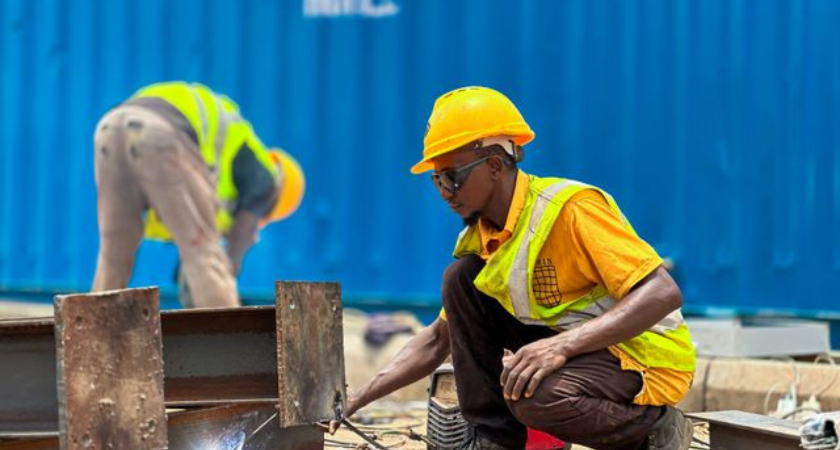
Extreme heat can create significant safety and operational risks for construction projects, particularly for crews working outdoors for extended periods. Cal/OSHA is reminding California employers to maintain required heat illness prevention measures as dangerous temperatures continue across Southern California.
The National Weather Service has issued extreme heat warnings covering portions of Los Angeles, Ventura, Santa Barbara, Riverside and San Bernardino counties. Forecasts indicate temperatures could reach 112 degrees in parts of Los Angeles, Ventura and Santa Barbara counties, while areas of the Coachella Valley could reach 109 to 113 degrees.
California's outdoor heat rules require employers to provide workers with fresh drinking water and access to shade when temperatures exceed 80 degrees. Workers must also be allowed cool-down rest periods when requested.
Construction is among the industries subject to additional requirements when temperatures reach or exceed 95 degrees. During these conditions, employers must implement high-heat procedures that include regular observation of workers for signs of heat illness and effective communication methods.
Employers must maintain written heat illness prevention plans and provide training that enables supervisors and workers to identify heat illness symptoms and respond appropriately during emergencies.
For indoor workplaces covered by California's indoor heat standards, employers must take protective measures when temperatures reach 82 degrees. Requirements include access to water, rest, cool-down areas and employee training.
Employers are also expected to monitor changing weather conditions and adjust workplace protections as needed. Cal/OSHA maintains enforcement and outreach programs focused on heat illness prevention, with resources available for employers and workers.
For construction owners and contractors, extreme heat requirements directly affect jobsite safety planning and daily field operations. Maintaining water, shade, rest periods, communication procedures, training and worker monitoring is particularly important during high-heat conditions.
Compliance also requires advance planning because heat protections must be incorporated into written prevention programs and worksite procedures rather than addressed only after temperatures rise.
Source: DIR, State Of California.