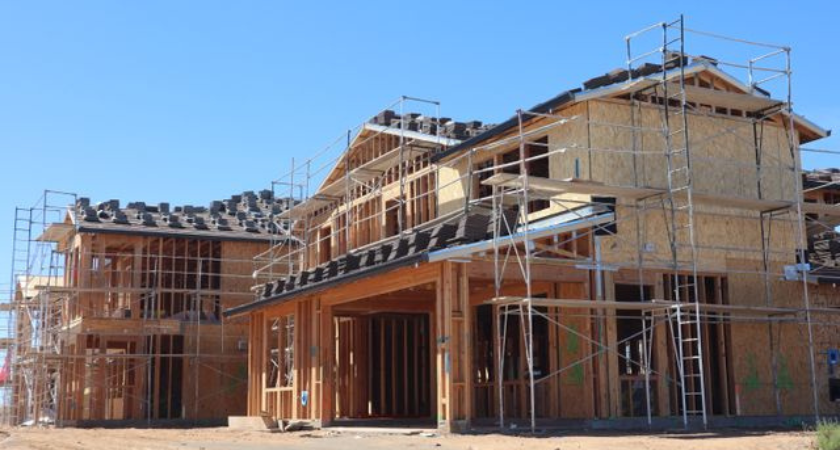
Extreme temperatures create significant safety risks for construction workers and other outdoor employees, making heat illness prevention a critical workplace priority. Cal/OSHA is urging California employers to maintain required protections as a period of high heat continues across the state through Aug. 2.
The agency advised employers to monitor weather conditions, follow heat safety requirements and ensure workers have access to necessary resources to prevent heat-related illnesses.
Cal/OSHA requires employers to provide outdoor workers with fresh drinking water, access to shade or cooling areas and rest breaks when needed. Shade must be available when outdoor temperatures exceed 80 degrees Fahrenheit.
For construction and other high-heat industries, additional precautions are required when temperatures reach or exceed 95 degrees Fahrenheit. These measures include monitoring employees for signs of heat illness and establishing effective communication procedures during work activities.
Employers must also provide training so supervisors and workers can recognize heat illness symptoms and respond appropriately during emergencies.
Forecasts indicated the most severe early-week heat conditions would affect areas including the Mojave Desert, Indian Wells Valley and Antelope Valley, with temperatures expected between 110 and 118 degrees Fahrenheit.
Heat risks are also expected to expand into the Central Valley, coastal areas and the Bay Area, with some Southern California desert regions potentially exceeding 120 degrees Fahrenheit.
Cal/OSHA emphasized that employers must continue reviewing local weather conditions and maintaining protections as temperatures and advisories change.
Construction workers frequently perform physically demanding activities outdoors, making heat safety planning essential during periods of extreme weather. For construction owners and contractors, maintaining compliance with heat illness prevention requirements helps protect workers, reduce jobsite risks and support safer project delivery during high-temperature conditions.
Source: Department Of Industrial Relations, State Of California.