With prolonged high temperatures affecting much of California, state workplace safety officials are reinforcing heat illness prevention requirements for employers with indoor and outdoor workers. The California Division of Occupational Safety and Health (Cal/OSHA) has issued a statewide advisory reminding employers to comply with mandatory heat safety standards as dangerous temperatures continue across multiple regions.
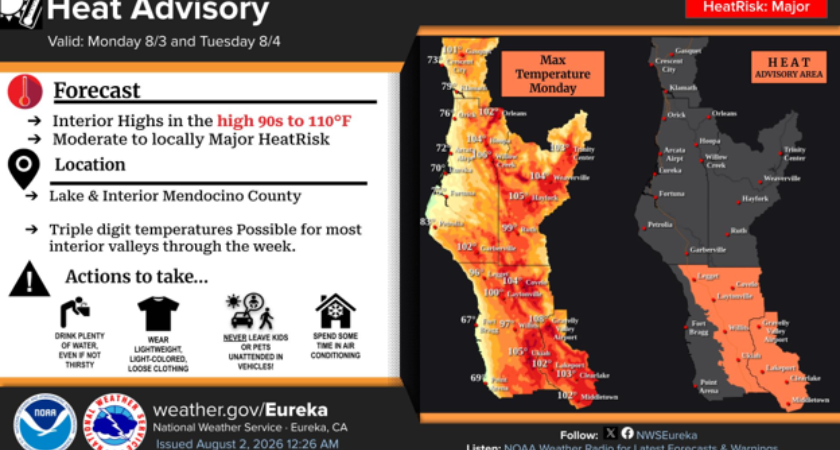
Cal/OSHA reported that triple-digit temperatures are forecast across parts of Southern California, the Central Valley and the Sacramento Valley, with elevated heat risks also expected in portions of Northern California.
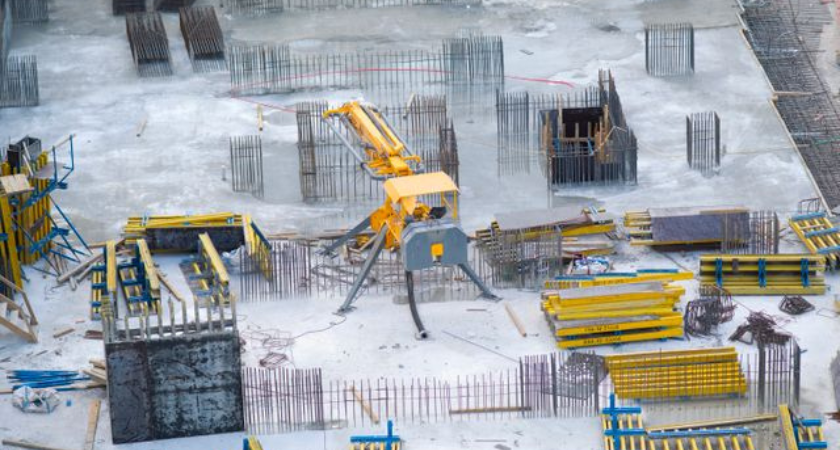
Construction is one of several industries required to implement additional high-heat procedures when outdoor temperatures reach or exceed 95 degrees. Other covered sectors include agriculture, landscaping, oil and gas extraction, and transportation involving agricultural products, construction materials or other heavy materials.
Required measures include providing access to drinking water, shaded or cool-down areas, employee monitoring for signs of heat illness, effective communication systems and additional rest opportunities when needed.
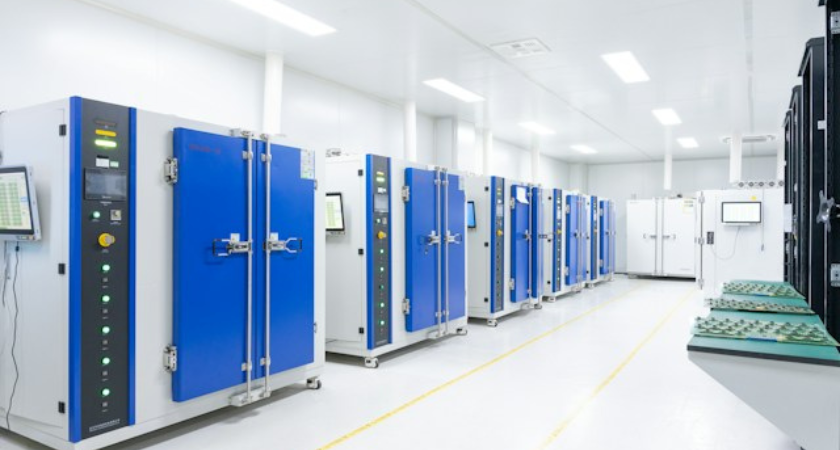
The agency also reminded employers that indoor heat illness prevention rules apply to most workplaces when indoor temperatures reach 82 degrees.
Employers are required to maintain written heat illness prevention plans and provide training that enables supervisors and employees to recognize symptoms of heat-related illness and respond appropriately during emergencies.
Officials encouraged employers to monitor local weather forecasts throughout the heat event to ensure required protections remain in place as conditions change.
Heat illness remains one of the most significant seasonal safety risks for construction and other outdoor industries. For contractors, project owners and employers, complying with California's heat illness prevention standards helps protect workers while reducing the risk of regulatory enforcement, project disruptions and weather-related incidents during periods of extreme heat.
Source: DIR, State Of California.