California’s long-debated Delta tunnel project has cleared another regulatory hurdle, but the controversial $20 billion infrastructure proposal still faces significant legal, financial and political obstacles before construction can begin.
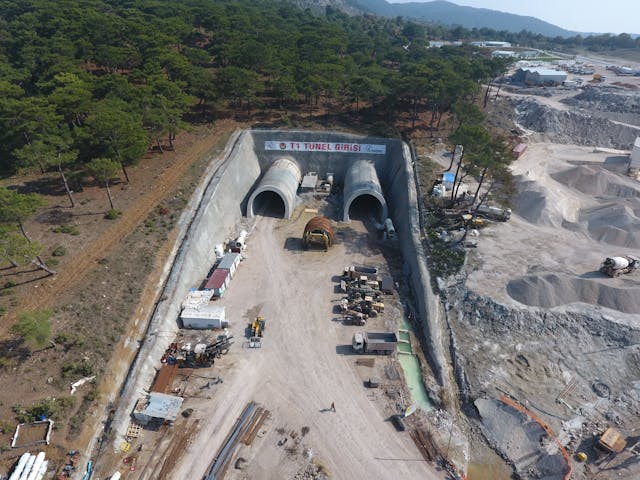
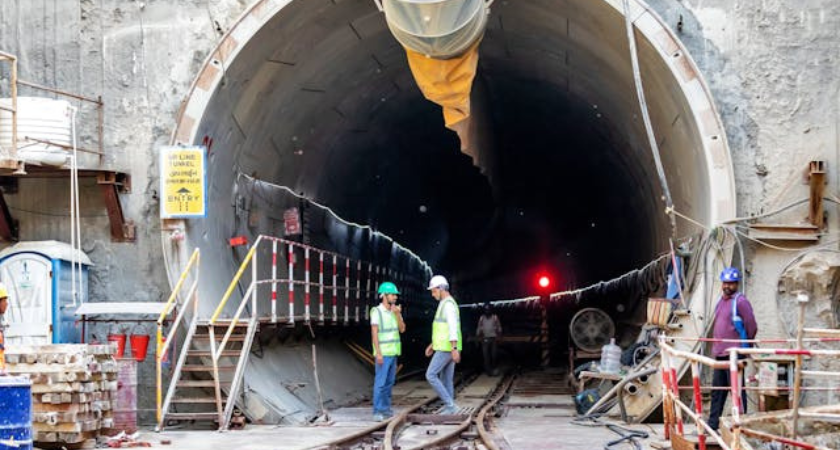
Gov. Gavin Newsom celebrated a recent decision by the Delta Stewardship Council as a major step forward for the Delta Conveyance Project, which would reroute Sacramento River water around the Sacramento-San Joaquin Delta through a proposed 45-mile tunnel system.
The council voted six-to-one last week to require the state’s California Department of Water Resources to address only two of several objections raised by opponents, a move Newsom described as bringing the state “closer than ever” to completing the project.
Despite the decision, water policy experts say the project remains far from certain.
“These are all existential,” said Jeffrey Mount, senior fellow at the Public Policy Institute of California. “You’ve got some pretty tough hurdles ahead.”
The proposed tunnel is intended to protect water deliveries for roughly two-thirds of Californians by bypassing the aging and environmentally fragile Delta system. State officials argue the project is necessary to safeguard water supplies from climate change, sea-level rise, earthquakes and severe storms.
Opponents, however, contend the tunnel would damage one of the nation’s largest estuaries while threatening local communities, farmland and wildlife habitats.
One of the largest unresolved questions surrounding the project is how California will pay for it.
State officials previously planned to finance construction through revenue bonds repaid by participating water agencies and their customers. However, California courts recently ruled that the Department of Water Resources exceeded its authority under existing water law when structuring the financing plan.
The California Supreme Court declined to review the case in April, leaving state officials searching for alternative financing strategies.
Carrie Buckman, environmental program manager for the tunnel project at the Department of Water Resources, said the agency still intends to pursue bond financing and hopes construction could begin by 2029, with work lasting approximately 13 years.
At the same time, major water agencies have yet to commit funding toward construction.
Metropolitan Water District of Southern California, which serves nearly half the state’s population, currently covers a substantial portion of planning costs but is not expected to vote on long-term construction funding until 2027.
The federal government and several large agricultural irrigation districts have already opted out of participation, according to project officials.
State regulators are also continuing hearings over whether the Department of Water Resources should receive water rights permits necessary to divert Sacramento River water into the proposed tunnel system.
Local residents and environmental advocates continue to voice strong opposition to the project, particularly in communities expected to host major construction facilities.
Among them is third-generation cattle rancher Duane Martin Jr., who fears the tunnel project would permanently alter the Delta landscape and disrupt agricultural operations his family has maintained for generations.
“Nobody seems to care about the people out here on the ground,” Martin said.
State water managers are considering portions of leased grazing land in Sacramento County as the site for a nearly 600-acre construction complex and a large permanent mound of excavated tunnel material.
“They’re going to change the Delta area forever,” Martin said.
.jpg)
The project also conflicts with the region’s Harvest Water recycled water initiative, which aims to create wildlife habitat and reduce groundwater demand through expanded recycled water use on farmland.
Kelley Taber, an attorney representing project opponents, described the land-use conflict as a potentially critical weakness for the tunnel proposal.
“I always thought that this was going to be (the department’s) Achilles heel,” Taber said.
Supporters of the project argue California’s long-term water reliability depends on the tunnel eventually being built.
“If you don’t build it in this generation, you’ll build it in the next,” Mount said. “Build a tunnel, or start a very painful process of really cutting back on water supplies from the Delta.”
Originally reported by Rachel Becker, CalMatters in Fresno Bee.