California lawmakers are shifting their focus from zoning reform to financing as they attempt to accelerate housing construction across the state’s largest urban centers.
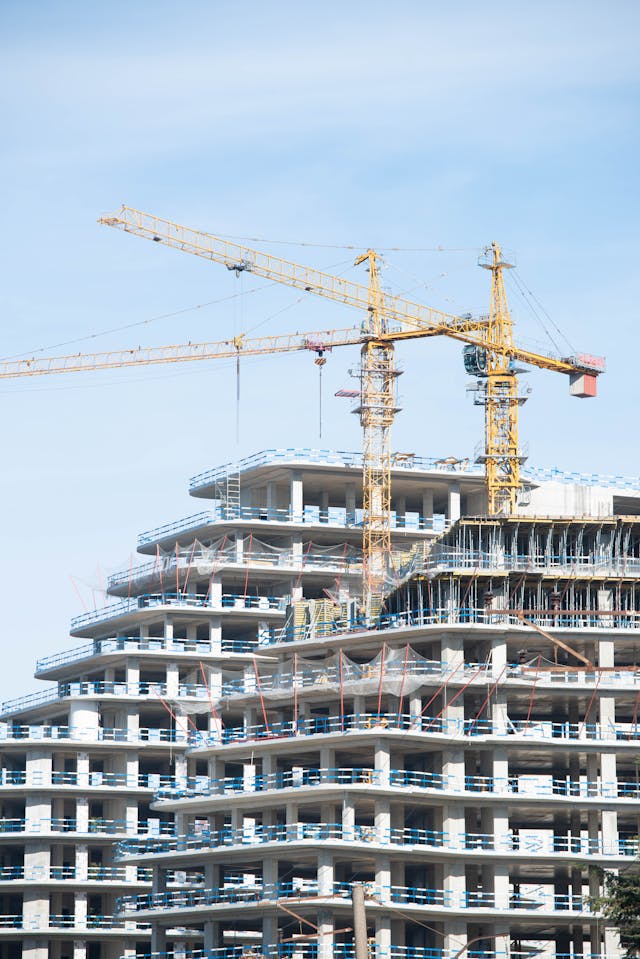
A new proposal, AB 2074, would establish a $500 million revolving loan fund to support high-rise residential development in major, transit-oriented cities such as San Francisco, Los Angeles and San Diego. Supporters say the measure is designed to address what developers now view as the biggest obstacle to building: access to capital.
The bill, introduced by Assemblyman Matt Haney, comes as California continues to fall short of its housing production targets, having built only a fraction of the roughly 2.5 million homes it aims to deliver by 2030.
“Our downtowns are still struggling and need new energy,” Haney said in a statement, positioning the legislation as both an economic development tool and a housing solution.
While California has passed multiple laws to ease zoning restrictions and encourage dense housing near transit, developers say those efforts have not translated into significant construction gains due to financing hurdles.
AB 2074 builds on earlier measures such as SB 79 by introducing financial support mechanisms through the California Housing Finance Agency. The agency would administer the revolving loan fund, offering below-market financing to developers building in designated transit districts.
“We’ve made a lot of progress on allowing housing, but the next step is to make sure it’s feasible to build,” said Saad Asad of California YIMBY.
High-rise construction, particularly steel-and-concrete towers, remains among the most expensive and complex forms of development. Costs for materials and labor are significantly higher than mid-rise projects, and longer timelines increase financial risk, often deterring lenders.
The proposed loan structure would recycle funds as projects repay their loans, creating a sustainable financing mechanism while limiting long-term taxpayer exposure.
Supporters argue the bill could play a key role in revitalizing struggling business districts that have seen reduced foot traffic since the COVID-19 pandemic.
In San Francisco, for example, office vacancy rates hover around 21.5%, significantly above the national average. At the same time, housing demand remains strong, with average apartment rents reaching roughly $3,496 per month.
By encouraging residential towers in these areas, policymakers hope to transform underutilized commercial zones into vibrant, mixed-use neighborhoods.
“This is the kind of policy that big cities need right now,” said Todd Gloria.
He added that “it makes it easier to build more affordable housing while directly supporting good-paying jobs. In San Diego, we’ve done the work to get housing built faster, and we’re seeing the results. This bill takes the next step by turning underused spaces into homes near jobs and transit.”
The legislation would require California’s seven largest cities — including San Jose, Sacramento and Oakland — to designate transit districts where developers could apply for funding.
.jpg)
Several large-scale developments illustrate both the opportunity and the challenges facing high-rise housing in California.
In San Francisco, a proposed 67-story mixed-use tower at 10 South Van Ness Avenue and another high-rise project at 530 Howard Street have received approvals but have yet to break ground. These projects are emblematic of broader trends where entitlements are secured but financing remains elusive.
Supporters believe AB 2074 could help move such projects forward, accelerating construction timelines and increasing housing supply in urban cores.
The bill is still awaiting approval from the full state Assembly, with proponents aiming to advance it to the governor’s desk by the end of the year. While questions remain about its ultimate impact, industry stakeholders say addressing financing constraints is essential to meeting California’s housing goals.
Originally reported by Brannon Boswell, Rachel Scheier in Co Star News.



.png)