Caturus has officially moved forward with construction of a major liquefied natural gas export facility in Louisiana after securing nearly $10 billion in project financing, adding momentum to the next wave of Gulf Coast energy infrastructure development.
The Commonwealth LNG project in Cameron Parish carries a total estimated investment of $12.5 billion, including financing costs, and represents one of the largest energy construction projects currently advancing in the United States.
Company officials said the engineering, procurement and construction portion alone is expected to total roughly $8.4 billion, underscoring the scale of construction activity tied to the project.
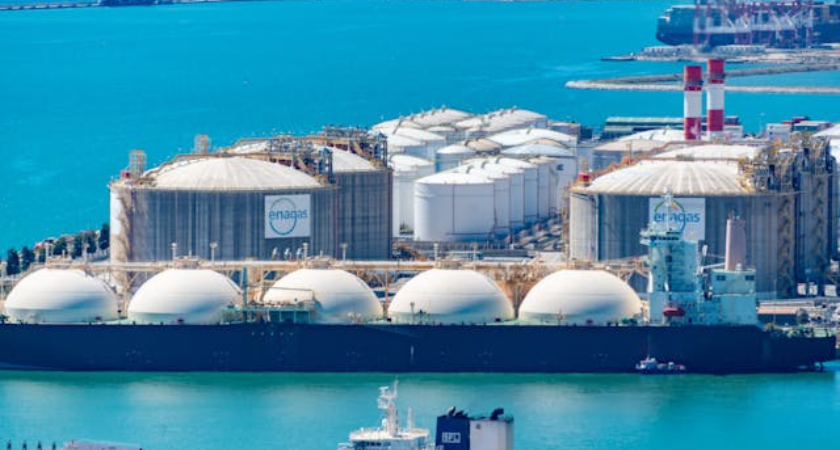
Once operational, the facility will have the capacity to export up to 9.5 million metric tons of LNG annually. The development is designed as an integrated operation that combines upstream natural gas production with liquefaction and export infrastructure rather than relying solely on third-party gas supply arrangements common in many U.S. LNG projects.
The project secured backing from several major global investors and energy partners, including Mubadala Energy, Kimmeridge and Canada Pension Plan Investment Board. CPP Investments contributed approximately $1.2 billion and increased its ownership stake in Caturus as part of the financing package.
Caturus also announced long-term LNG supply agreements with major international energy traders and buyers, including Glencore, Petronas and Saudi Aramco’s trading division.
The development reflects continuing global demand growth for U.S. LNG exports as international markets seek additional energy supply stability amid ongoing geopolitical uncertainty and global fuel market disruptions.
For the construction industry, the project signals sustained strength in large-scale energy infrastructure spending along the Gulf Coast, where LNG export terminals continue driving demand for heavy civil, industrial, marine and specialty construction services.
The project also highlights the increasing complexity of global supply chain coordination for energy megaprojects. Company officials said major processing equipment will largely be manufactured in Italy, with additional components sourced domestically. Tariff impacts and international procurement costs have already been incorporated into the project’s financial planning.
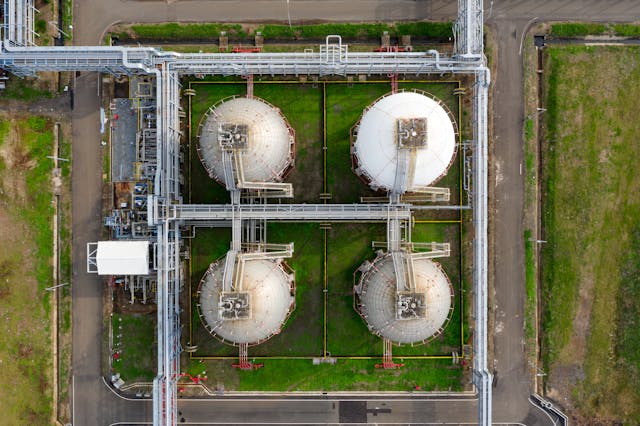
Construction of LNG export facilities typically requires extensive site preparation, marine infrastructure, cryogenic systems, storage tanks, pipelines, utility systems and specialized industrial process equipment, creating long-duration opportunities for contractors and suppliers across multiple trades.
The Commonwealth project is expected to generate approximately $3 billion annually in export revenue once operational and further strengthen Louisiana’s position as a leading hub for global LNG exports.
Originally reported by Curtis Williams in Reuters.