

Most homeowners rarely think about their roof until something goes wrong. A small ceiling stain appears after heavy rain, shingles are suddenly scattered across the yard after a storm, or a cold draft becomes noticeable during winter. But roof problems usually don’t appear overnight. In many cases, damage develops gradually as the seasons change and weather conditions repeatedly stress the roofing system over time.
Your roof constantly faces direct exposure to sunlight, rain, snow, humidity, wind, and changing temperatures. Throughout the year, roofing materials expand, contract, absorb moisture, dry out, and endure physical stress from debris and storms. Even durable roofing systems eventually begin to wear down under these conditions.
Each season creates its own set of challenges. Winter may lead to snow buildup and ice dams. Spring introduces moisture and strong storms. Summer heat accelerates material aging, while autumn debris can block drainage systems before colder temperatures arrive. Understanding these seasonal effects helps homeowners take preventative action before small issues become expensive repairs.
Why Seasonal Weather Affects Roofing Systems So Much
A roof is much more than a layer of shingles. Modern roofing systems include underlayment, flashing, decking, insulation, ventilation systems, gutters, sealants, and structural supports. All of these components work together to protect the home.
The challenge is that weather affects each material differently. Heat causes expansion, cold causes contraction, moisture weakens protective barriers, and UV radiation slowly breaks down roofing surfaces over time. When one component begins to fail, nearby areas often become vulnerable as well.
For example, poor attic ventilation during summer may trap excessive heat beneath the roof deck, weakening shingles faster than expected. Later during winter, those same brittle shingles may crack more easily under freezing temperatures. Likewise, clogged gutters in autumn may seem harmless initially, but trapped water can freeze later and contribute to ice dam formation.
Homeowners who perform regular maintenance often avoid the most expensive roofing problems because they catch small issues before they spread into larger structural damage.
Winter: Snow, Ice, and Freeze-Thaw Damage
Winter is one of the most demanding seasons for roofing systems. Cold temperatures, snow accumulation, and repeated freezing cycles place enormous stress on roofing materials.
Heavy Snow Loads Create Structural Pressure
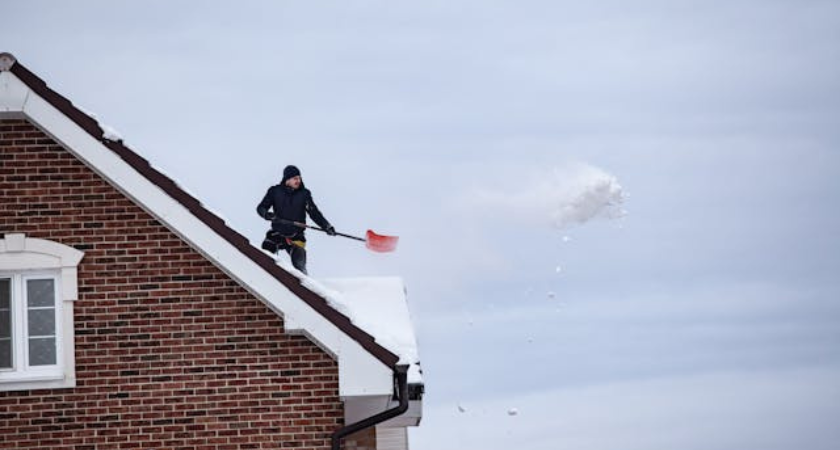
Snow may appear soft and light, but accumulated snow becomes extremely heavy, especially when moisture content increases. Older roofs or structures with weakened framing may struggle under prolonged snow loads.
Flat roofs and low-slope roofs are particularly vulnerable because snow tends to remain on the surface longer instead of sliding off naturally. Excessive weight can eventually lead to sagging, water intrusion, or even structural damage in severe cases.
Ice Dams Cause Hidden Water Damage
Ice dams are one of the most common winter roofing issues. They occur when warm air escapes through the attic and melts snow on the upper portion of the roof. The melted water then travels downward and refreezes near colder roof edges.
As ice builds up, it forms a barrier that traps additional water behind it. Eventually, trapped water may seep beneath shingles and penetrate the roof structure.
This can lead to:
- Interior leaks
- Mold growth
- Damaged insulation
- Rotting wood
- Ceiling stains
- Peeling paint
Many homeowners are surprised to learn that ice dams are often caused by insulation and ventilation problems rather than direct roof failure.
Freeze-Thaw Cycles Gradually Worsen Small Cracks
One of winter’s most damaging effects is the freeze-thaw cycle. Water enters tiny cracks in shingles, flashing, or sealants during warmer daytime temperatures. When temperatures drop again, the water freezes and expands.
That expansion slowly widens cracks over time, turning small vulnerabilities into larger roofing problems.
Winter Prevention Tips
To reduce winter roof damage:
- Improve attic insulation to minimize heat escape
- Ensure attic ventilation is functioning properly
- Clean gutters before winter begins
- Repair loose or damaged shingles early
- Remove excessive snow safely when necessary
- Watch for signs of interior moisture or sagging
Spring: Rain, Storms, and Moisture Intrusion
Spring often reveals roofing weaknesses that developed during winter. Heavy rainfall and unpredictable storms quickly expose vulnerable areas.
Rainwater Finds Weak Points Fast
After winter, shingles may already be cracked, curled, or slightly lifted. Spring rain can easily penetrate these weak points.
Even small leaks can create serious problems if moisture reaches insulation, wooden framing, or drywall. Water trapped beneath roofing layers may also encourage mold and mildew growth.
One important thing homeowners often overlook is that the location of a ceiling leak may not directly match the location of the roof damage itself. Water frequently travels before becoming visible indoors.
Flashing Problems Become More Noticeable
Flashing protects areas around chimneys, skylights, vents, and roof valleys where water naturally collects. Because these sections experience higher moisture exposure, they are often the first areas where leaks appear.
Winter expansion and contraction may weaken flashing seals or loosen fasteners, allowing spring rain to enter around roof penetrations.
Homeowners looking to better understand flashing systems, roofing materials, and seasonal inspection priorities often explore professional roofing resources such as Roofers Guild for additional guidance on roof maintenance and repair considerations.
Spring Storms Bring Wind and Impact Damage
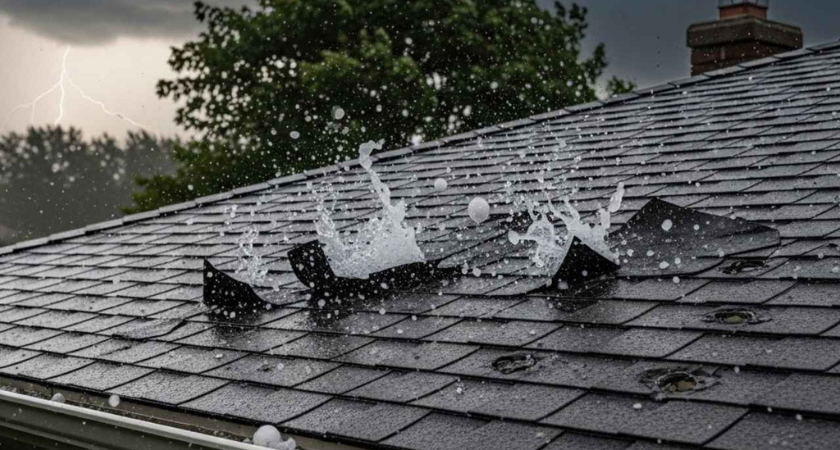
Strong spring winds can loosen shingles or tear them away completely. Flying debris and falling tree branches may also damage roofing surfaces during storms.
Even if damage appears minor from the ground, lifted shingles or granule loss can shorten the roof’s lifespan significantly.
Spring Prevention Tips
During spring maintenance:
- Inspect shingles for curling or displacement
- Check flashing for rust or separation
- Remove branches and debris promptly
- Examine the attic for moisture stains
- Clean gutters and downspouts
- Trim nearby trees to reduce storm damage risks
Summer: Heat, UV Radiation, and Thermal Expansion
Summer weather creates slower but equally damaging roofing stress.
Sunlight Gradually Breaks Down Roofing Materials
Constant ultraviolet exposure slowly degrades roofing materials over time. Asphalt shingles are especially vulnerable because UV radiation dries out the oils that help maintain flexibility.
As shingles age under intense sunlight, they may:
- Become brittle
- Crack more easily
- Lose protective granules
- Curl at the edges
- Fade in color
Granule loss is especially important because granules help shield shingles from direct sunlight. Once large amounts are lost, deterioration accelerates rapidly.
Expansion and Contraction Stress Roofing Components
Roofing materials naturally expand during hot daytime temperatures and contract again as temperatures cool at night. This repeated movement places stress on sealants, flashing, fasteners, and joints.
Over time, thermal movement may create small gaps that eventually allow moisture infiltration.
Poor Ventilation Increases Heat Damage
Without proper attic ventilation, temperatures beneath the roof can rise dramatically during summer. Excessive attic heat accelerates material aging and increases cooling costs inside the home.
Proper ventilation helps maintain stable temperatures and reduces moisture accumulation year-round.
Summer Prevention Tips
To minimize summer roof damage:
- Ensure attic vents remain unobstructed
- Inspect shingles for granule loss
- Replace cracked sealants
- Trim overhanging branches
- Monitor attic temperatures
- Schedule inspections after hailstorms
Autumn: Debris, Drainage Problems, and Winter Preparation
Autumn is one of the most important seasons for preventative roof maintenance because it prepares the roof for winter conditions ahead.
Leaves and Debris Block Drainage Systems
Falling leaves commonly collect in gutters and downspouts during autumn. When drainage systems become blocked, water cannot flow away properly from the roof.
Standing water near roof edges may eventually contribute to:
- Fascia board rot
- Mold growth
- Foundation drainage issues
- Ice dam formation during winter
Even partial blockages can create long-term moisture problems.
Small Problems Become Bigger During Winter
Damage caused during summer may seem minor in autumn, but freezing winter temperatures can quickly worsen small cracks or loose shingles.
Autumn inspections help homeowners address these issues before snow and freezing conditions arrive.
Autumn Prevention Tips
Important autumn maintenance tasks include:
- Cleaning gutters thoroughly
- Inspecting roof flashing and seals
- Replacing damaged shingles
- Checking attic insulation
- Removing moss and algae growth
- Confirming proper drainage around the property
Year-Round Habits That Extend Roof Lifespan
While each season presents unique challenges, some maintenance habits remain important throughout the year.
Regular Roof Inspections Matter
Many roofing problems remain invisible until significant damage occurs inside the home. Routine inspections help identify issues early before repairs become more expensive.
Professional inspections are especially valuable after:
- Major storms
- Heavy snowfall
- Hail events
- Strong wind exposure
- Long periods of extreme heat
Gutters Should Never Be Ignored
Gutters play a major role in protecting roofing systems. Poor drainage allows water to remain near roofing materials longer than intended, increasing moisture-related deterioration.
Keeping gutters clean throughout the year helps prevent many avoidable roofing problems.
Nearby Trees Can Create Ongoing Damage
Overhanging branches may scrape shingles repeatedly during windy conditions. Falling limbs also create major impact risks during storms.
Tree trimming helps reduce debris accumulation and physical roof damage.
Seasonal weather affects roofs continuously throughout the year. Winter introduces snow loads, ice dams, and freeze-thaw stress. Spring exposes roofs to heavy rain and storm damage. Summer heat and UV radiation accelerate material aging, while autumn debris creates drainage problems before winter arrives.
Although weather-related wear is unavoidable, serious roofing damage is often preventable through consistent maintenance and early repairs. Regular inspections, proper ventilation, clean gutters, and prompt attention to small issues can significantly extend the lifespan of a roofing system.
A well-maintained roof not only protects the home from weather exposure but also improves energy efficiency, indoor comfort, and long-term property value. By understanding how seasonal conditions affect roofing systems, homeowners can take proactive steps to reduce damage and avoid costly repairs in the future.



TOP STORIES
View AllRECOMMENDED

.png)

