The Chicago Bears are moving closer to selecting a site for their proposed new stadium, with team leadership indicating a final decision could come by late spring or early summer 2026.
.jpg)
Speaking at the NFL owners meetings, team President and CEO Kevin Warren said the organization is evaluating two primary locations: Arlington Heights, Illinois, and Hammond, Indiana.
"We have been working on our stadium and feel very strongly that we are making progress," Warren said. "We are in an excellent position. The target is to make sure that we have a decision made by … late spring, early summer."
A key factor in the decision-making process is securing long-term tax certainty—an issue that continues to shape large-scale stadium development across the U.S.
The Bears already own 326 acres at the former Arlington International Racecourse site in Arlington Heights, but they are still seeking legislative approval from the Illinois General Assembly to establish a payment-in-lieu-of-taxes (PILOT) structure and freeze property taxes.
"I believe they continue to work on the PILOT legislation," Warren said. "I believe they are scheduled to come back at some time in the middle of April."
He emphasized that such legislation is not unique to the team but is part of broader economic policy discussions in Illinois aimed at improving business predictability.
Meanwhile, Indiana has already approved legislation providing tax certainty for a proposed 340-acre site in Hammond, giving that location a potential advantage.
"We have been in great discussions with the state of Indiana in regard to the site in Hammond and we did have legislation pass recently," Warren said. "We feel like we are making progress."
Team chairman George H. McCaskey noted that each site presents unique benefits and challenges.
"The fact of the matter is we don't have a deal to consider right now," McCaskey said. "In Indiana, we have a great site... and we have a legislative framework in place. In Arlington Heights, we have a site that's shovel-ready, but we don't yet have a legislative framework."
He compared the process to a football game, emphasizing patience as negotiations evolve.
"We need to be patient and let the deal come to us. We think a deal will materialize somewhere. We're comfortable with either site."
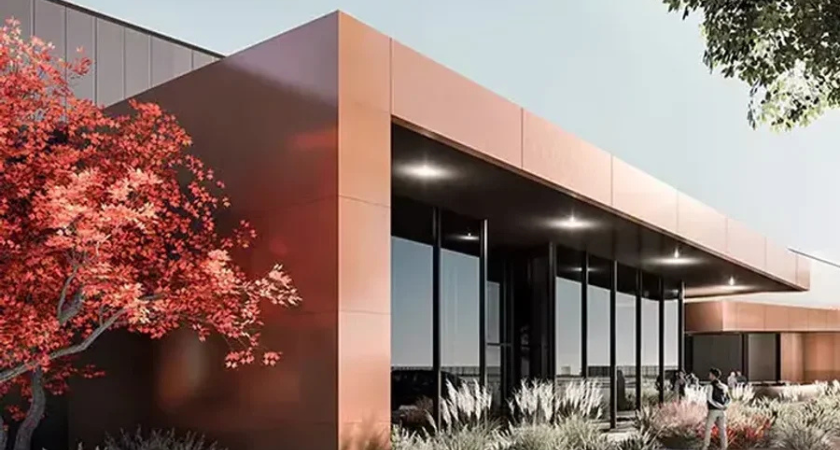
The project is expected to deliver a “world-class stadium” with modern amenities, improved access, and enhanced fan experiences—key priorities for both ownership and the National Football League.
NFL Commissioner Roger Goodell underscored the urgency of the decision, noting the importance of moving forward with major infrastructure projects.
"It's really important that they come to a resolution on this relatively soon … This is an important time to get this resolved," Goodell said.
Warren echoed that sentiment, stressing that tax certainty and infrastructure commitments are essential before construction can begin.
"The biggest thing is, in all these big projects, you have to have tax certainty, which is critically important," he said. "We would not be able to build a stadium without tax certainty."
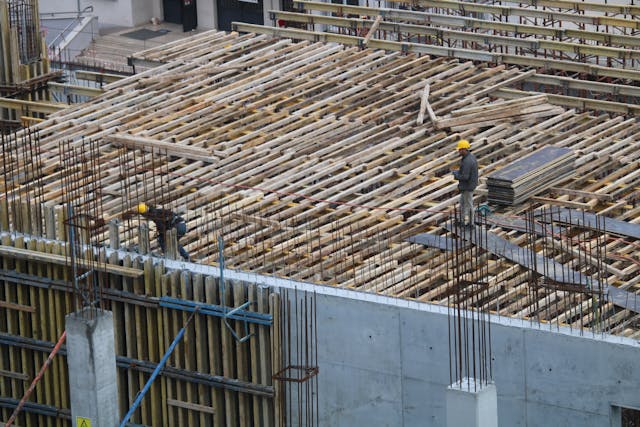
The Bears’ stadium project represents a significant opportunity for contractors, developers and suppliers, with potential economic ripple effects across the Midwest.
Large-scale sports infrastructure projects typically involve billions in investment, complex public-private partnerships and long timelines, making legislative alignment a prerequisite for breaking ground.
With a decision expected within months, construction firms and stakeholders are closely watching how tax policy, site readiness and political support ultimately shape one of the most high-profile stadium developments in the U.S.
Originally reported by Larry Mayer, Senior Writer in Chicago Bears.