Coordinating complex rail infrastructure upgrades within a limited service shutdown requires close sequencing of demolition, structural construction and platform work. Clark Civil completed a concentrated 56-day construction programme at two WMATA Red Line stations in the Washington, D.C., region to advance transit modernization while limiting disruption to passengers.
The work took place at Bethesda and Grosvenor-Strathmore stations, which collectively serve approximately 18,000 passengers daily. Crews operated around the clock during the summer shutdown to complete major improvements at both locations.
At Bethesda station, construction includes a new mezzanine connecting the Red Line with the Maryland Transit Administration's Purple Line light rail system.
Following a 44-hour demolition operation in November, crews installed structural steel, applied fireproofing and placed structural concrete. The team also used compact spider cranes to handle steel and precast components within the station's restricted access areas.
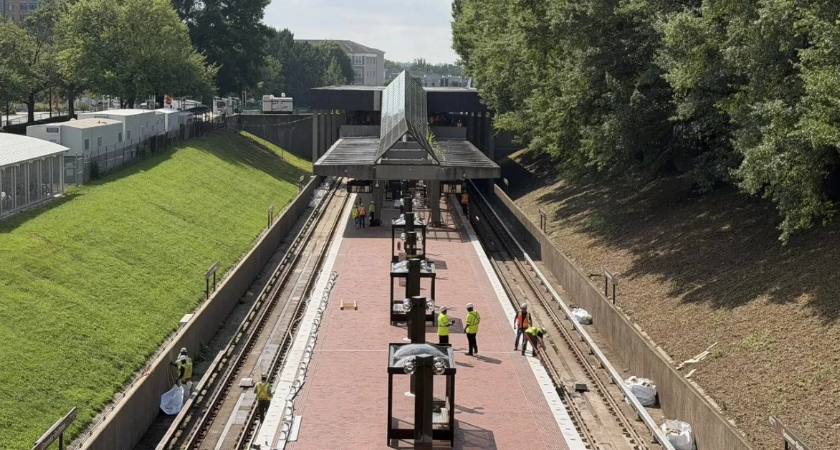
At Grosvenor-Strathmore station, the work represented the first major platform overhaul since the facility opened in 1984.
Construction activities included:
The platform work was completed in less than two weeks.
Working within active transit infrastructure presented significant access and engineering challenges. Historical station drawings from the 1970s and 1980s did not always reflect actual field conditions, requiring coordination among Clark Civil, WMATA, architects and structural engineers to resolve discrepancies during construction.
Equipment deliveries also required specialised planning because rail power was disconnected during the shutdown. Machinery and materials were transported using diesel locomotives and flatbed rail cars.
Concrete placement required different approaches at the two stations.
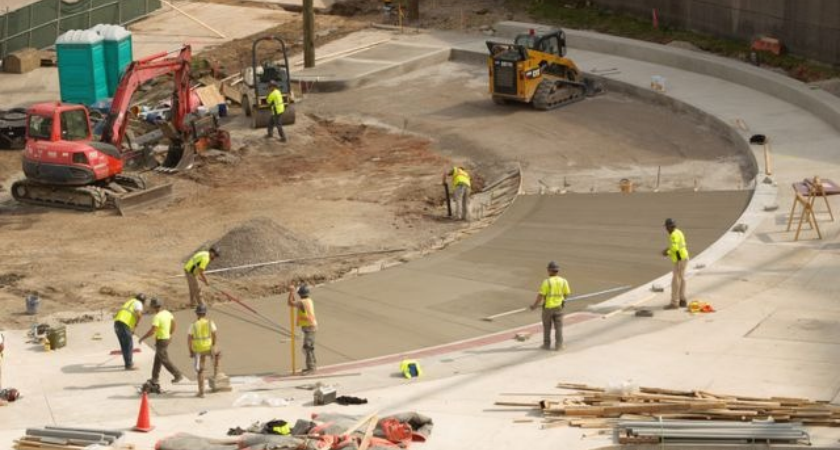
At Grosvenor-Strathmore, crews scheduled concrete pours for 4 a.m. to manage high summer temperatures and maintain concrete quality. More than 280 cubic yards of concrete were placed during cooler morning conditions.
At Bethesda, the absence of a direct vertical pumping route required a 500-foot concrete delivery pipeline routed through existing access tunnels. A specially developed concrete mix supported placement through the extended pipeline. The team also installed 60% of the mezzanine's precast panels ahead of schedule for subsequent construction activities.
The 56-day shutdown was completed without reported safety incidents.
The project highlights the construction planning required to modernize aging rail facilities while working within restricted shutdown windows. Demolition sequencing, specialised equipment, concrete logistics and rapid field coordination were central to completing the scheduled work.
For transit agencies and contractors, the upgrades demonstrate how concentrated construction periods can advance major structural improvements while reducing the duration of service interruptions.
Grosvenor-Strathmore's modernization work is complete, while Bethesda station construction continues toward its anticipated 2027 completion.
Source: Clark Construction.