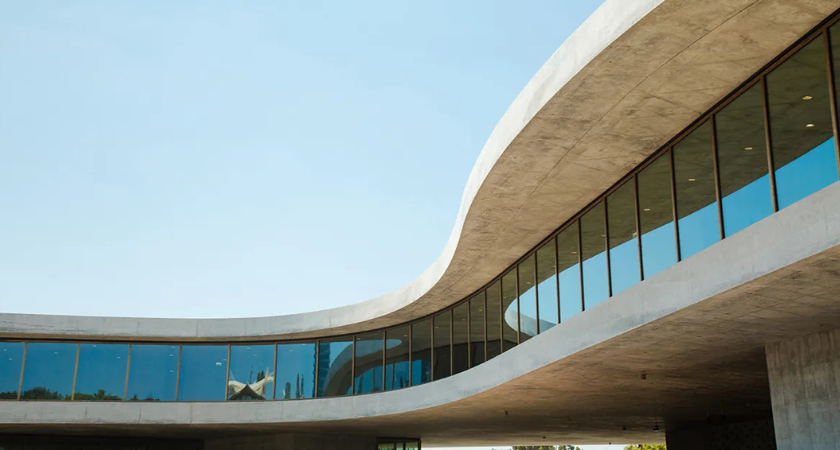
Cultural institutions continue to invest in architecturally complex facilities that demand advanced engineering and specialized construction expertise. Clark Construction has completed the David Geffen Galleries at the Los Angeles County Museum of Art (LACMA), delivering one of the most technically challenging museum projects constructed in Southern California.
The new gallery building combines innovative structural engineering, seismic resilience and precision concrete construction while responding to the site's challenging geological conditions near the La Brea Tar Pits.
The museum incorporates a reinforced concrete structural system featuring extensive post-tensioning and 56 seismic isolators designed to allow controlled building movement during seismic events.
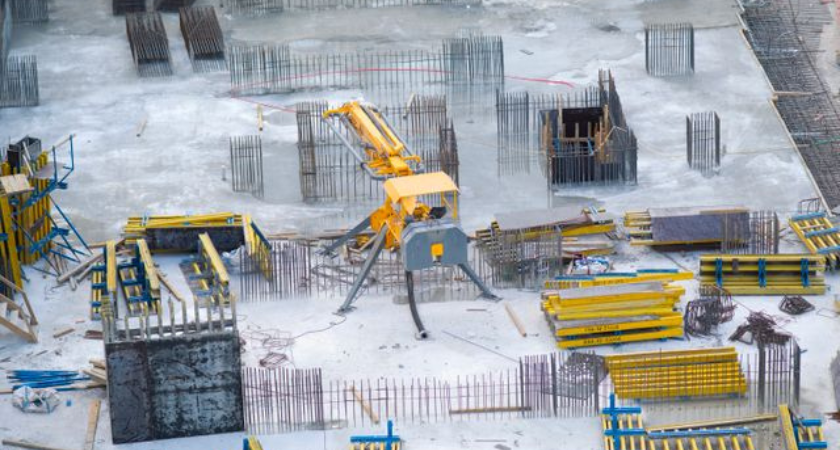
Construction teams also addressed difficult subsurface conditions while integrating mechanical systems within the building's structural framework. Precision concrete formwork, custom bronze façade components and extensive mock-up testing were used throughout construction to meet demanding architectural and performance requirements.
The project required close coordination among the architect, engineers, specialty fabricators and construction teams to execute the building's unconventional geometry and structural design.
Development of the David Geffen Galleries extended over more than a decade, involving collaboration between design professionals, public agencies and construction teams through multiple phases of planning and execution.
The completed facility demonstrates the growing role of advanced construction methods, detailed preconstruction planning and specialized fabrication in delivering complex cultural buildings with unique architectural requirements.
For construction owners, contractors and developers, the David Geffen Galleries illustrate the level of planning, engineering coordination and quality control required for large-scale institutional projects. The project highlights how seismic design, precision concrete construction and multidisciplinary collaboration are increasingly important for delivering high-performance public facilities in complex urban environments.
Source: Clark Construction.