Keeping major construction projects operational around live events requires detailed sequencing, safety coordination and schedule control. At the University of Kansas Gateway District, the project team has completed key stadium areas in time for the 2026 football season while construction continues elsewhere across the development.
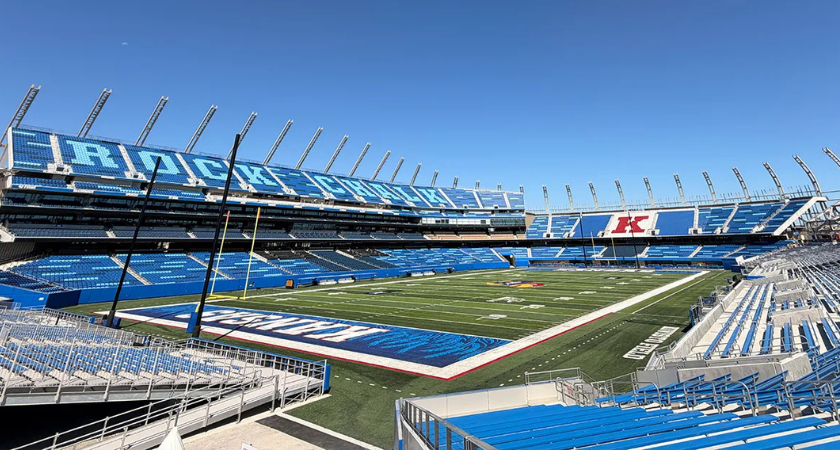
Clark–JE Dunn, A Joint Venture, delivered the south grandstands and east-side lower bowl at David Booth Kansas Memorial Stadium to the University of Kansas. The completed seating provides approximately 8,400 additional seats, including about 700 premium club and suite positions.
Approximately 40% of the east and south seating areas will be available for games this season. The project team used a phased construction approach that concentrated labor and activities on areas needed for stadium operations before shifting work away from occupied fan areas.
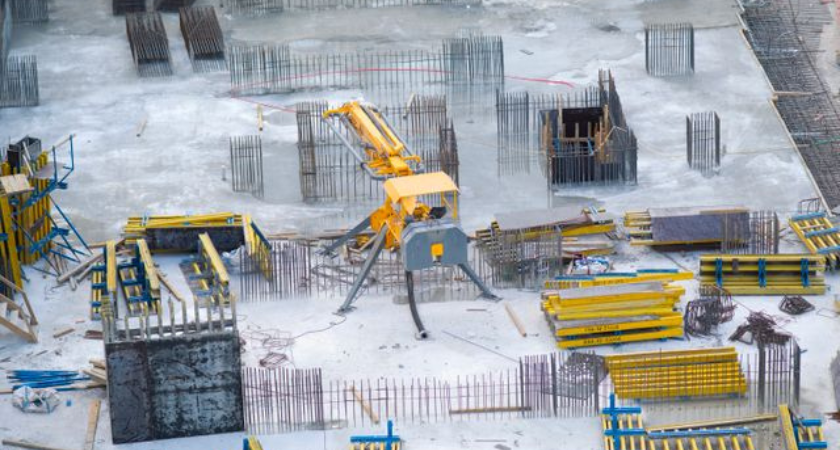
The stadium work includes more than 1,775 tons of structural steel forming the new east-side structure. The framework will support the future upper bowl, premium spaces and additional concessions.
Crews also completed precast and cast-in-place concrete for the lower-bowl concourse, allowing temporary concessions and guest services to operate during the season. Custom architectural light towers inspired by Kansas wheat straw were also installed to provide permanent lighting for night games.
Construction will continue on the stadium event level beneath the lower bowl throughout the football season. Meanwhile, crews will shift significant activity to the Gateway District's two-level parking garage and student housing components.
After the 2026 home football schedule concludes, construction will return to the active stadium bowl. Remaining work includes the upper bowl, permanent concessions, restrooms and premium hospitality areas.
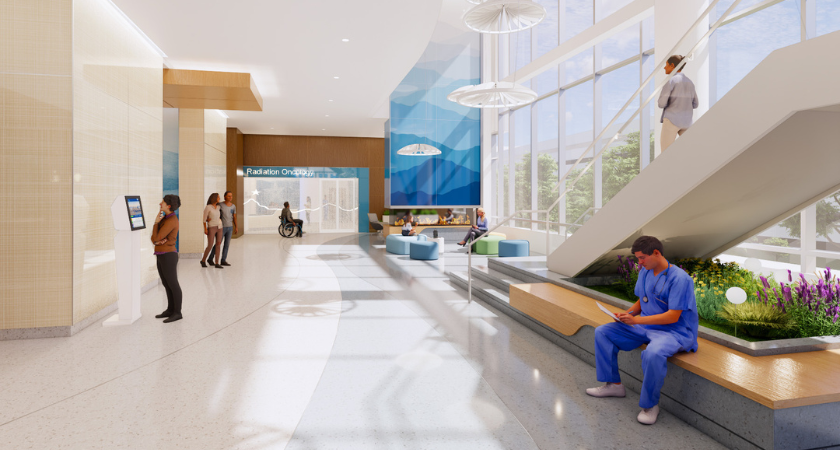
The broader Gateway District is planned as a mixed-use development incorporating student housing, a hotel, retail space and a public plaza. The phased approach allows stadium operations to continue while construction advances on other components of the district.
The project demonstrates how large, complex developments can be sequenced around fixed operational deadlines. For owners and contractors, the approach highlights the importance of coordinating structural work, public access, safety measures and revenue-generating operations when construction takes place around an active venue.
Source: Clark Construction.