Highlights
Colorado is creating a new pathway to finance wildlife crossing infrastructure through a voluntary vehicle registration contribution program aimed at reducing collisions between motorists and animals on state roadways.
The legislation, signed by Gov. Jared Polis, establishes an optional $5 fee that vehicle owners may choose to add when renewing their registrations. Funds collected through the program will be directed toward wildlife crossing projects designed to improve roadway safety while supporting wildlife movement across transportation corridors.
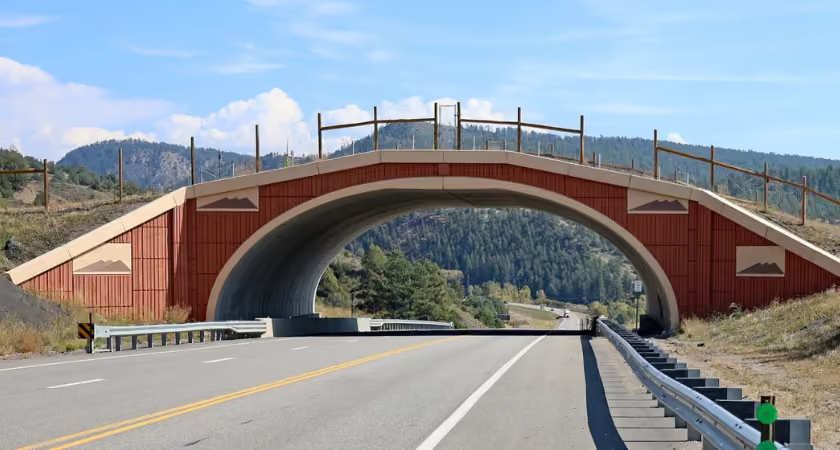
The measure provides a recurring funding source for infrastructure such as wildlife overpasses, underpasses, fencing systems, and associated roadway improvements. These projects have gained attention across western states as transportation agencies seek solutions to reduce accidents involving large animals and minimize disruptions to motorists.
Wildlife crossings have increasingly become part of transportation planning strategies in regions where highways intersect migration routes and habitat areas. By separating vehicle traffic from wildlife movement, transportation officials aim to lower crash rates while improving ecological connectivity.
For construction firms and infrastructure contractors, the legislation could support future opportunities tied to specialized bridge construction, earthwork, roadway modifications, drainage systems, and environmental mitigation projects. As dedicated funding becomes available, agencies may be able to accelerate planning and delivery of crossing projects in high-risk locations.
Supporters of the program point to the significant financial burden created by wildlife-related crashes. Property damage, emergency response costs, medical expenses, insurance claims, and traffic disruptions contribute to substantial annual economic losses.
A dedicated revenue stream may help transportation agencies address these costs proactively through infrastructure investments rather than relying solely on repairs and post-incident responses.
The voluntary nature of the fee also allows the state to generate project funding without creating a mandatory tax or registration increase, potentially broadening public support for future transportation safety initiatives.
Wildlife crossing projects have expanded across the western United States as transportation departments increasingly incorporate environmental resilience and safety objectives into highway programs. States including Arizona, Utah, Nevada, and Wyoming have invested in crossings designed to reduce collisions and protect wildlife populations.
The trend reflects a broader shift toward infrastructure projects that deliver both public safety and environmental benefits, creating opportunities for contractors experienced in complex transportation and civil construction work.
For owners, developers, and contractors involved in transportation infrastructure, Colorado's new funding mechanism signals continued demand for specialized roadway safety projects. A predictable funding source can improve project planning and create a pipeline of future construction opportunities tied to wildlife mitigation and corridor modernization efforts.
As states search for innovative ways to finance transportation improvements, similar user-supported funding models could emerge elsewhere, potentially expanding the market for wildlife crossing and safety-related infrastructure construction.
Source: Diana Lonescu in Planetizen.