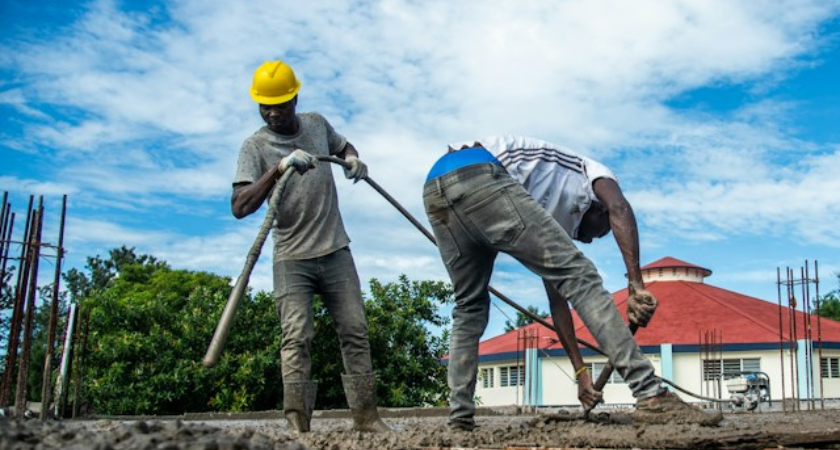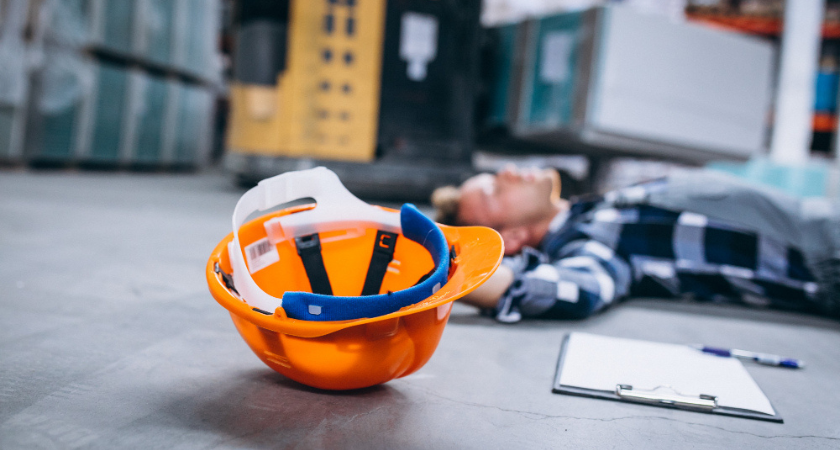
Construction injury claims are increasing across U.S. job sites in 2026, reflecting mounting pressure on contractors operating in a labor-constrained and highly active construction environment.
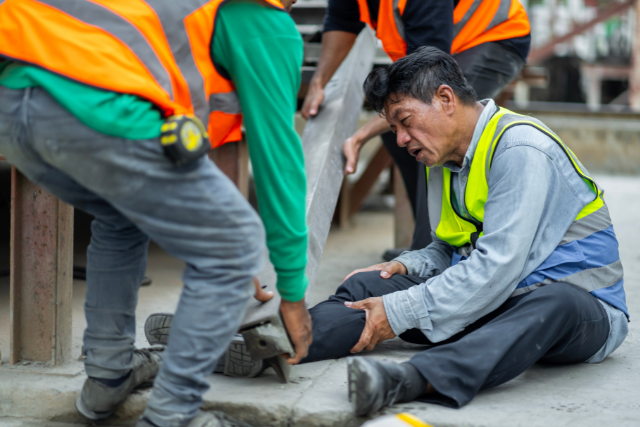
Industry reporting points to a consistent rise in incidents across both new construction and renovation projects. Common injuries include falls from height, machinery-related accidents, electrical contact events, and trench collapses. Many of these incidents result in extended recovery periods and often trigger formal claims processes involving multiple stakeholders.
A key driver behind the trend is the growing complexity of modern job sites. Large-scale projects frequently involve multiple general contractors, subcontractors, and specialty trades working in parallel. While this delivery model supports faster construction timelines, it also increases coordination challenges and can create gaps in safety oversight.
Labor shortages in several regional markets are further intensifying pressure on project teams. With fewer experienced workers available, some job sites are relying more heavily on temporary or less experienced labor, which can lead to inconsistent adherence to safety protocols and training standards.
At the same time, accelerated project schedules in infrastructure, commercial, and residential development are compressing the time available for safety planning, inspections, and inter-trade coordination. These conditions collectively contribute to elevated jobsite risk profiles.
Regulatory safety standards remain in place through federal and state oversight agencies, but enforcement outcomes vary depending on project scale, contractor structure, and compliance resources on site. As a result, injury frequency and severity can differ significantly across similar types of projects.
The legal and insurance landscape is also feeling the impact. Construction injury claims often involve multiple potentially responsible parties, including general contractors, subcontractors, and equipment providers. This complexity typically leads to longer investigations, extended documentation requirements, and slower settlement timelines.
Across reported cases, recurring risk factors include insufficient fall protection systems, equipment misuse, training gaps, and communication breakdowns between overlapping work crews. These issues continue to appear consistently in incident reporting across sectors.
For construction owners, developers, and project sponsors, the rise in injury claims translates into increased project-level risk exposure that extends beyond contractor performance.
Owners are facing greater scrutiny around their selection of general contractors, safety oversight frameworks, and contract structures that define responsibility for jobsite safety. Even when owners are not directly managing day-to-day site operations, they can still be drawn into disputes through contractual risk allocation, insurance claims, or litigation tied to project incidents.
Insurance implications are also becoming more significant. Rising claims activity can influence project insurance premiums, bonding capacity, and the availability of coverage for high-risk scopes of work. Owners overseeing large capital programs may see increased costs embedded in bids as contractors price in higher safety and liability risk.
From a delivery standpoint, safety-related incidents can also introduce schedule disruption, workforce shutdowns, and regulatory investigations that affect overall project timelines. This makes proactive safety planning, contractor prequalification, and continuous oversight increasingly important components of project governance.
As construction activity remains strong nationwide, owners are placing greater emphasis on integrated safety management systems, clearer contractual risk allocation, and enhanced reporting requirements to better control exposure across complex, multi-contractor job sites.
Originally reported by Digital Guider in EIN Press Wire.