
The U.S. construction labor market is showing signs of an unusual slowdown, as both hiring and worker movement declined sharply in February, creating the lowest level of labor turnover in more than two decades.
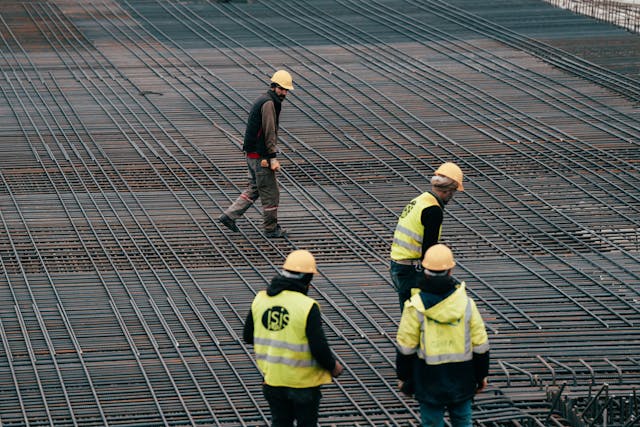
According to new industry data, the combination of weak hiring activity and minimal job separations resulted in the lowest construction labor churn rate since 2000. While stability in the workforce might typically signal strength, economists say the current trend reflects caution across the industry.
“Construction hiring fell to the slowest rate on record in February,” said Anirban Basu, chief economist for Associated Builders and Contractors. “The combination of historically slow hiring and exceedingly few separations made February 2026 the month with the least construction labor force churn since the BLS began this survey in December 2000.”
At first glance, low turnover might appear to be a positive sign, suggesting job stability and workforce retention. However, industry experts warn that the current environment reflects hesitation rather than confidence.
Hiring rates dropped significantly in February, while job openings also declined, indicating that contractors are pulling back on workforce expansion. At the same time, workers are staying put, with fewer quits and layoffs than usual.
This dynamic has created what economists describe as a “frozen” labor market—one where neither employers nor employees are making significant moves.
For contractors, the slowdown in hiring suggests uncertainty about future project demand, financing conditions, and broader economic trends. Many firms appear to be taking a wait-and-see approach, holding onto existing workers while delaying new hires until market conditions become clearer.
The slowdown in labor activity comes amid ongoing challenges in the construction workforce, including policy changes, immigration enforcement concerns, and shifting economic conditions.
.jpg)
While the industry has faced persistent labor shortages in recent years, the current data suggests that demand for workers may be stabilizing—or even softening—in certain segments. This shift is occurring alongside broader conversations about workforce availability, including the role of immigration and enforcement actions that could impact labor supply.
Contractors are now navigating a complex environment in which labor availability, project pipelines, and regulatory factors are all in flux. As a result, many firms are choosing to maintain their current workforce levels rather than expand aggressively.
Despite the slowdown, economists note that the construction labor market remains relatively tight compared to historical norms. However, the sharp drop in turnover highlights a significant change in behavior, as both employers and workers adopt a more cautious stance.
The coming months will be critical in determining whether this trend represents a temporary pause or the beginning of a broader shift in construction employment dynamics.
Original Reporting Credit: This article is based on reporting by Zachary Phillips for Construction Dive.