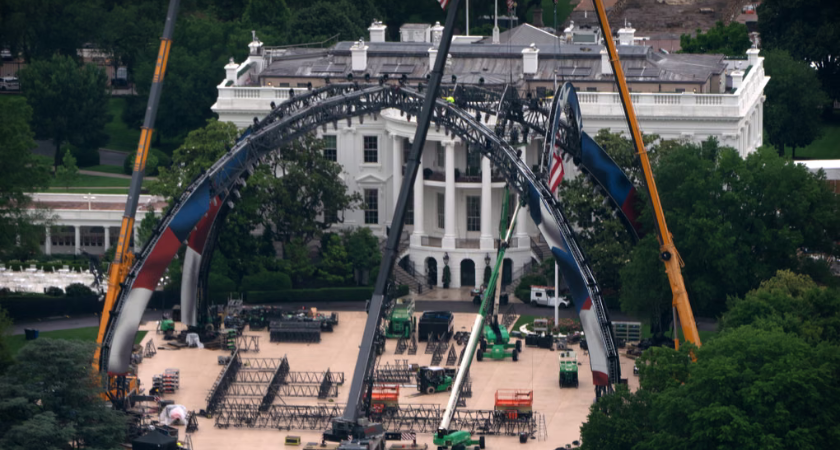
A U.S. appeals court has temporarily allowed construction of a controversial White House ballroom project to continue, extending a deadline to halt work as legal challenges proceed.

The decision gives the administration of Donald Trump additional time to seek review from the Supreme Court following a lower court ruling that ordered construction to stop without congressional approval.
The three-judge panel for the District of Columbia ruled that the extension, now set through April 17, would provide an opportunity for further legal review. The move follows a March 31 order from U.S. District Judge Richard Leon, who had previously blocked construction, citing the need for authorization from Congress.
While the appeals court granted a temporary reprieve, the majority opinion raised doubts about the administration’s argument that halting construction would pose a national security risk.
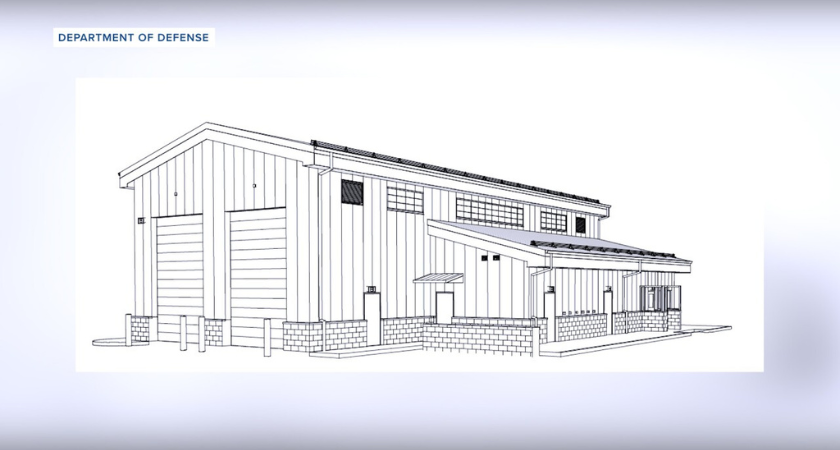
Officials had argued that pausing the project could interfere with security upgrades tied to the White House complex. However, the court found insufficient evidence to support that claim.
“Defendants have not, on this record, explained how, if at all, the injunction interferes with their existing plans for safety and security at the remaining portions of the White House during the construction project,” the majority wrote.
The judges also questioned the administration’s position that the ballroom itself was necessary for security-related improvements, particularly since earlier filings suggested that below-ground work was separate from the main construction.
Additionally, the court noted that the project had always been expected to take several years to complete, undermining claims that short-term delays would create significant harm.
“So it is unclear on this record how a potential delay to the construction imposes additional harm beyond the expected and consciously undertaken risks of a lengthy and major construction project of the White House,” the court stated.
The case stems from a lawsuit filed by the National Trust for Historic Preservation, which argues that the administration exceeded its authority by initiating a major structural project without congressional approval.
Judge Leon previously sided with that argument, writing that the administration’s interpretation of its authority would grant “nearly unlimited power” to construct projects on federal land in Washington, D.C.

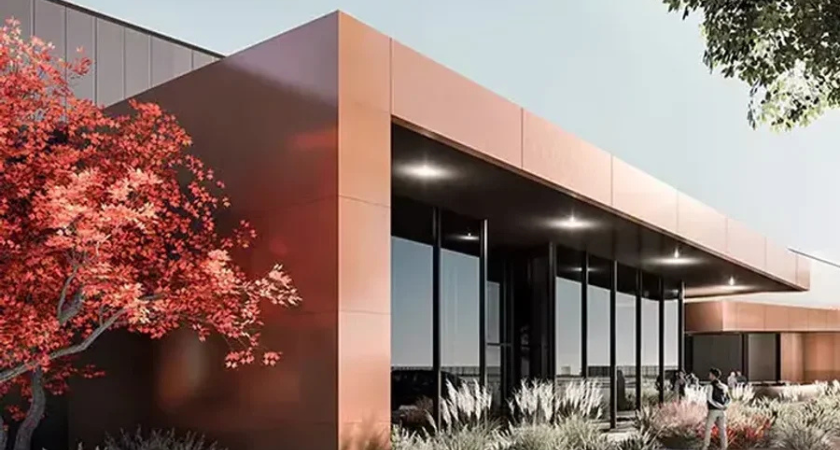
Critics have also raised concerns about the demolition of the White House’s historic East Wing, which was removed to make way for the proposed 90,000-square-foot ballroom.
The appeals court’s decision was not unanimous. Judge Neomi Rao issued a dissent, arguing that halting construction would cause greater harm to the administration than allowing the project to proceed while legal questions are resolved.
The case now returns to the lower court for further examination of unresolved factual issues, including the scope of national security considerations and the extent of presidential authority over federal construction projects.
As the legal battle continues, the future of the White House ballroom remains uncertain, with broader implications for executive power and oversight of major federal construction initiatives.
Origianlly reported by Al Jazeera Staff in Al jazeera.