Healthcare construction is facing a shift as increasingly complex procedures move from traditional hospital campuses into outpatient and ambulatory settings. DPR Construction is examining how changing clinical practices, reimbursement policies and patient needs could reshape healthcare capital planning and facility design.
The analysis points to a growing class of ambulatory facilities capable of supporting procedures and services that historically required inpatient infrastructure. These projects can include advanced imaging, robotic procedures, cardiac interventions, infusion services, rehabilitation and extended recovery.
DPR cites industry projections showing substantial growth in outpatient orthopedic procedures. Sg2 projects that the share of hip and knee replacements performed as outpatient procedures could reach 51% in 2026, compared with about 15% in 2016.
Cardiovascular care is also expanding in ambulatory settings. The number of dedicated cardiovascular ambulatory surgery centers increased from 55 in 2018 to 221 in 2023, according to VMG Health. Medicare reimbursement changes have also expanded the procedures that can be performed outside inpatient hospitals.
DPR points to proposed changes to the Medicare program that could further broaden ambulatory eligibility. The CMS CY2027 proposed rule would remove approximately 600 additional services from the inpatient-only list and add 618 codes to the ASC Covered Procedures List if finalized.
The shift is creating new infrastructure requirements. Facilities handling higher-acuity procedures may need advanced imaging capabilities, robust electrical systems, specialized ventilation, structural support for heavy equipment, medical gas distribution and expanded sterile processing.
The changing outpatient patient population is another factor affecting healthcare design. DPR highlights the rise of patients managing multiple chronic conditions while remaining stable enough for outpatient treatment.
These patients can require coordinated services involving imaging, laboratory testing, specialty consultations, surgery, pharmacy, rehabilitation and remote monitoring. Traditional medical office buildings, which were often designed around individual physician visits, may not provide the space or adjacencies needed for these more complex care journeys.
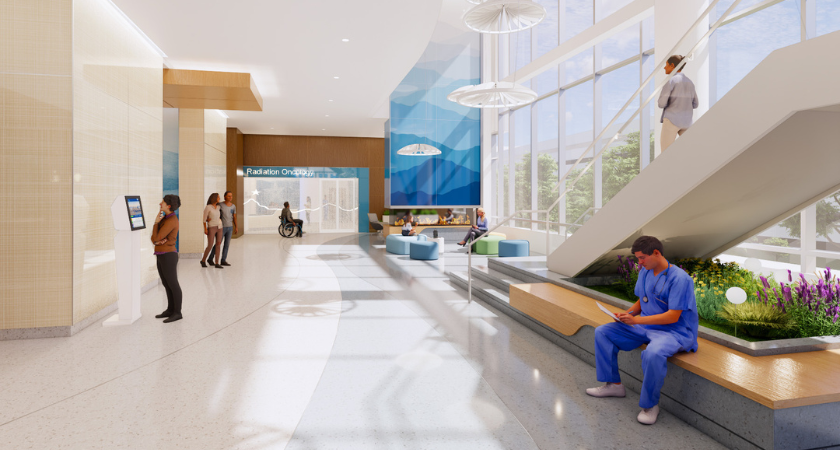
Future ambulatory projects may therefore require larger examination rooms, accessible circulation, additional accommodation for caregivers and multidisciplinary planning areas. Locating diagnostic and treatment services closer together can also reduce the amount of movement required from patients with mobility limitations.
For owners, the planning challenge extends beyond accommodating current clinical programs. Facilities need sufficient flexibility to support changing procedures, equipment and patient requirements over their useful lives.
Higher-acuity outpatient care can significantly increase a facility's electrical and mechanical requirements. Robotic systems, advanced imaging, sterilization equipment, digital infrastructure and sophisticated HVAC systems can create substantially greater power demand than conventional medical office operations.
DPR also identifies utility infrastructure as an increasingly important consideration during project planning. Healthcare owners may need to evaluate electrical service capacity, emergency generation, battery storage, renewable integration and microgrid strategies when developing future ambulatory campuses.
Digital systems are similarly becoming part of the physical infrastructure strategy. AI-enabled scheduling, ambient documentation, imaging assistance and remote patient monitoring can support more coordinated care, but these systems require resilient power, data connectivity, cybersecurity and equipment cooling.
The expansion of ambulatory care also creates a business and development challenge. Advanced facilities require significant upfront investment while operating within reimbursement structures that can differ substantially from hospital-based care.
DPR emphasizes the importance of aligning facility investment with projected procedure volumes, physician participation, payer arrangements and operating models before committing capital.
For construction teams, that alignment can affect everything from initial programming and utility planning to equipment coordination, phasing and future expansion provisions.
The continuing migration of complex care into ambulatory environments is changing what healthcare owners may need from outpatient buildings. Facilities increasingly must combine clinical capabilities traditionally associated with hospitals with the accessibility and operational model of ambulatory care.
For owners, developers, designers and contractors, the trend makes long-term flexibility a central consideration. Electrical capacity, structural loading, equipment pathways, HVAC systems, digital infrastructure and space for future clinical programs can influence whether an ambulatory facility can adapt as procedures and patient needs evolve.
Source: DPR.