Growing investment in artificial intelligence infrastructure and domestic manufacturing is bringing two major construction markets closer together. Mission-critical facilities and advanced manufacturing plants increasingly depend on specialized electrical systems, mechanical infrastructure, prefabrication and skilled technical labor to meet demanding project schedules.
The convergence is creating opportunities for contractors with experience in complex mechanical, electrical and plumbing (MEP) systems, modular construction and coordinated project delivery.
DPR Construction's fourth-quarter 2026 advanced technology market analysis identifies power availability, technical planning, workforce capacity and prefabrication as common requirements across both sectors.
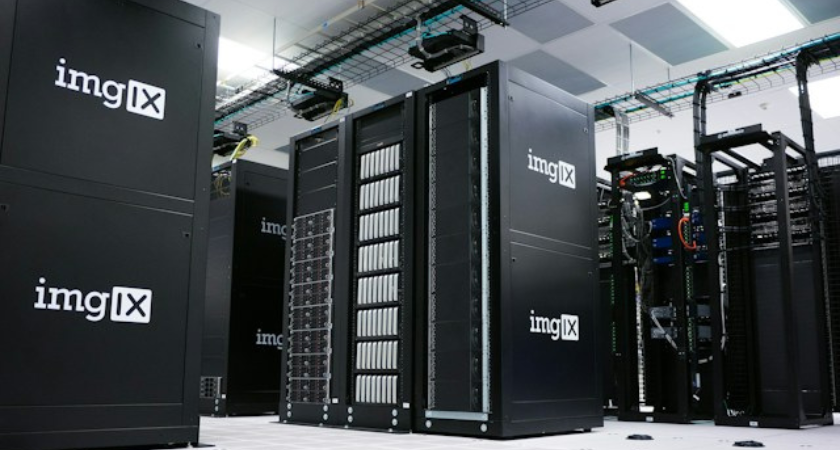
Artificial intelligence workloads are changing data center design requirements, increasing demand for electrical capacity, high-density computing infrastructure and advanced cooling systems.
Development is moving beyond traditional hyperscale facilities toward campuses with capacities reaching hundreds of megawatts and, in some cases, gigawatt-scale requirements. Smaller inference facilities ranging from approximately 12 MW to 36 MW are also gaining attention as operators seek infrastructure closer to urban centres and enterprise users.
Geographic expansion is another market development. Data center developers are considering locations beyond established markets such as Northern Virginia, Texas and Phoenix. Wyoming, Missouri, Ohio, Indiana, Louisiana and parts of the Midwest are attracting interest as owners evaluate land and power availability.
Existing facilities are also becoming a source of construction work. Rather than relying exclusively on new developments, operators are upgrading current infrastructure through electrical improvements, cooling system retrofits and capacity expansions.
Schedule requirements and skilled labour constraints are increasing the role of prefabrication in data center construction.
Contractors are moving beyond individual prefabricated components toward larger integrated assemblies, including modular electrical rooms, mechanical and electrical skids, modular utility plants, hot-aisle containment systems and multi-trade assemblies.
These approaches can reduce the amount of work required onsite while supporting installation coordination, quality control and commissioning readiness.
DPR Construction operates more than 1.4 million square feet of prefabrication assembly facility capacity to support projects across the United States. The manufacturing infrastructure supports the growing use of offsite assembly in complex construction programs.
Advanced manufacturing remains an active construction market, particularly in semiconductor and microelectronics production. Domestic manufacturing initiatives, supply-chain diversification and federal incentives are supporting investment in fabrication facilities, equipment installation and related infrastructure.
Aerospace and defense manufacturing is another area of activity. Investment priorities include aircraft production, assembly operations, maintenance facilities and secure environments supporting defense-related work.
Robotics is also expanding beyond conventional industrial automation. AI-enabled autonomous systems are creating demand for manufacturing environments with precision requirements, cleanroom infrastructure and advanced digital systems.
Battery, electric vehicle, solar and clean-energy manufacturing remain part of the market, although investment decisions are becoming more selective.
The overlap between mission-critical and advanced manufacturing construction creates opportunities for contractors capable of delivering complex electrical and mechanical infrastructure across multiple sectors.
For owners and developers, prefabrication, early technical planning, power availability and workforce capacity are important considerations when evaluating project schedules and delivery strategies.
The growing requirements across data centers, semiconductor facilities, aerospace manufacturing and robotics also highlight the value of contractors with integrated MEP capabilities and established offsite manufacturing capacity.
Source: DPR Construction.