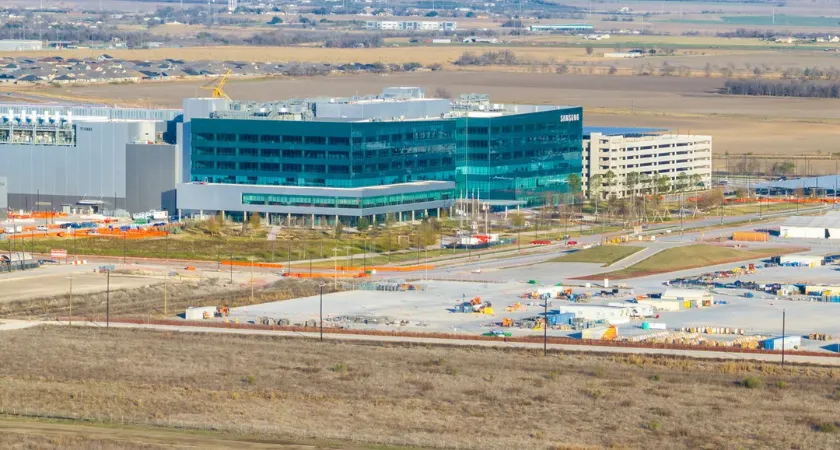
Nonresidential construction spending slipped in December, pulled down largely by continued weakness in factory projects, according to an analysis by the Associated Builders and Contractors of U.S. Census Bureau data.
.webp)
Total nonresidential spending fell 0.6% month over month. Private nonresidential construction dropped 0.7%, while public nonresidential spending edged down 0.4%. Twelve of 16 nonresidential subcategories posted declines during the month, with manufacturing leading the downturn.
“This decline was concentrated in the manufacturing segment, which is now down nearly 16% from the August 2024 all-time high,” said Anirban Basu, ABC chief economist. “Given trade policy uncertainty and the waning effects of the CHIPS Act, manufacturing-related spending will likely continue to decline over the next several quarters.”
Spending on manufacturing construction — the largest nonresidential subcategory — dropped 2.5% in December alone, marking the 11th consecutive monthly decline. The sector had previously surged amid federal incentives and domestic reshoring efforts, including funding tied to the CHIPS and Science Act.
Despite campaign pledges from President Donald Trump to boost U.S.-based manufacturing, recent data shows investment momentum slowing. Industry groups have pointed to ongoing tariff uncertainty as a key reason companies are delaying long-term capital investments.
The pullback follows another warning sign for contractors: backlog levels recently fell to a four-year low, according to ABC. That softening pipeline suggests fewer large-scale projects are moving forward in the near term.
“While manufacturing is the most significant driver of nonresidential weakness, it’s far from the only one,” said Basu in the release. “Eight of the 11 private nonresidential subsegments contracted in December, and total private nonresidential spending is now down 1.8% year over year.”
A separate analysis from the Associated General Contractors of America highlighted an 11.4% plunge in manufacturing construction over the past 12 months as the primary drag on private nonresidential performance.
Other major segments also showed signs of strain. Highway and street construction — the third-largest category — fell 0.4% in December, closing the year on a weaker note.
Still, not every segment declined. Power construction, the second-largest nonresidential category, rose 0.8% month to month, buoyed by continued investment in grid upgrades and energy infrastructure. Office construction also ticked up 0.4% in December, suggesting selective resilience in certain commercial markets.
The December spending report underscores the growing divide within nonresidential construction. Public infrastructure spending remains relatively stable, supported by federal funding programs, while private investment — particularly in manufacturing — is losing momentum.
Economists say the coming quarters will hinge on clarity around trade policy, interest rates and federal incentives. If tariff uncertainty persists and industrial demand cools further, manufacturing-related construction could remain a headwind well into 2026.
For contractors heavily exposed to factory builds, diversification into infrastructure, power and institutional sectors may help offset continued softness in industrial spending.
Originally reported by Sebastian Obando, Reporter in Construction Dive.