A long-anticipated grocery retail project in Fort Bragg has transitioned from planning and regulatory approvals into active construction, marking a notable step in the city’s effort to reposition underused public land for commercial development.
.jpg)
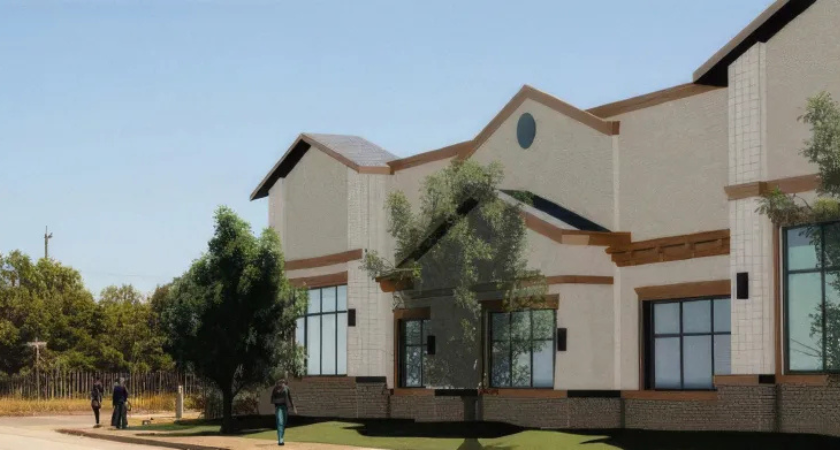
The 16,000-square-foot Grocery Outlet store is being built on a previously occupied government services site near a key corridor in the coastal community. The development replaces an outdated civic structure with a modern retail footprint designed to serve both residents and surrounding rural populations.
For construction stakeholders, the project reflects a broader trend of smaller-format grocery builds filling redevelopment parcels in constrained coastal markets where land availability and zoning complexity limit large-scale retail expansion.
Before construction began, the project moved through an extended approval cycle that included coastal planning compliance and legal review tied to local land-use policy. A court determination upheld prior planning decisions, allowing the development to proceed without further regulatory obstruction.
The site’s transition from public-sector use to private commercial development required coordination across municipal planning bodies and state-level coastal oversight, a process that added time but ultimately clarified entitlement status for builders and developers.
Early construction activity includes environmental and community-impact mitigation measures, with temporary sound containment systems planned to reduce disruption to adjacent residential areas during buildout.
For contractors and construction managers, the project highlights several ongoing dynamics in California coastal development:
These factors are shaping contractor bidding strategies, particularly for firms operating in California’s coastal counties where regulatory coordination is as critical as construction delivery.
Across California and other high-cost markets, grocery retail development has increasingly shifted toward mid-sized footprint stores designed for infill or redevelopment sites. These projects typically avoid large suburban footprints in favor of strategically located parcels within established communities.
At the same time, municipalities are prioritizing redevelopment of underutilized public land to generate tax revenue and improve access to essential services. This has created a steady pipeline of civic-to-commercial conversions, especially in smaller coastal cities where economic diversification is a policy priority.
Construction teams working in this segment are seeing tighter scheduling expectations, phased delivery requirements, and heightened scrutiny on community impact mitigation.
For owners and developers, the Fort Bragg grocery project underscores the importance of early alignment between entitlement strategy and construction execution planning. Projects in regulated coastal zones often require parallel workstreams—legal, environmental, and construction—to move in sync.
Contractors should anticipate continued demand for:
As more cities reassess underutilized public properties, similar redevelopment-driven construction opportunities are likely to expand, particularly in California’s coastal and rural markets.
Originally reported by Savana Robinson in Mendovoice.