Progress on large-scale underground infrastructure projects remains a key indicator of activity in the heavy civil construction sector. Recent milestones on the Potomac River Tunnel project highlight continued advancement on one of the Washington, D.C., region's major water infrastructure investments, with specialized tunneling equipment now positioned to begin work along the project's full alignment.
The CBNA/Halmar International joint venture announced significant progress on the Potomac River Tunnel project for DC Water, including the launch of one tunnel boring machine and the delivery of a second machine designed for different ground conditions.
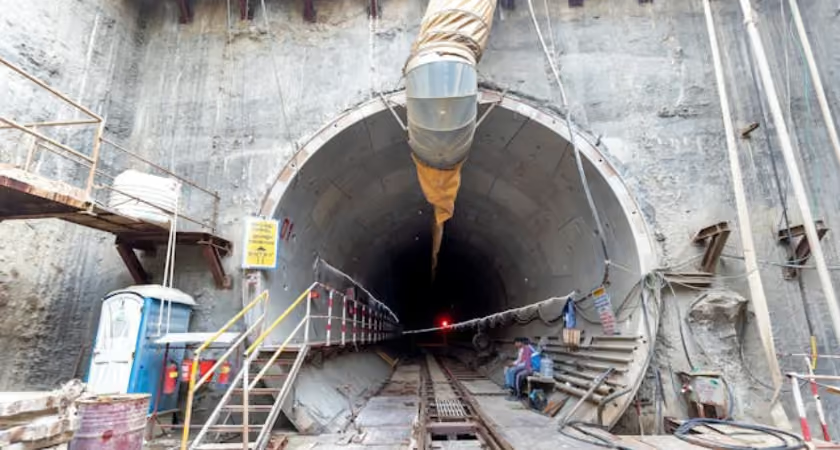
TBM Mary began northbound excavation on April 10 from West Potomac Park toward Georgetown University. The machine measures approximately 21 feet in diameter, weighs about 1,200 tons and extends roughly 700 feet when fully assembled. The northbound drive will cover approximately 2.4 miles through hard bedrock.
Prior to launch, project teams completed extensive site preparation activities, including construction of a 100-foot-deep overflow mining shaft and excavation of a starter tunnel.
A second tunnel boring machine, Emily, arrived at West Potomac Park on May 27 after being manufactured and tested in Germany. Unlike Mary, Emily was designed to operate in the softer soil conditions expected along the tunnel's southern section. The machine is scheduled to excavate southward toward Joint Base Anacostia-Bolling.
Together, the two TBMs will construct the project's full 5.5-mile tunnel alignment.
The deployment of two specialized tunnel boring machines demonstrates the project's complexity and the need for equipment tailored to varying geotechnical conditions. For contractors and project owners, the use of separate machines for distinct ground environments can help manage construction risk and maintain production efficiency during long tunnel drives.
The advancement into active tunneling also marks a transition from preparatory construction activities to major excavation operations, representing a significant phase in project delivery.
Water and wastewater infrastructure projects continue to generate substantial heavy civil construction activity across the United States. Large-diameter tunnel projects are increasingly being used by utilities to improve system capacity, manage stormwater flows and enhance long-term environmental performance.
The Potomac River Tunnel project reflects the growing demand for complex underground infrastructure requiring specialized contractors, advanced tunneling technology and extensive preconstruction planning. As public utilities pursue system modernization initiatives, similar tunnel projects are expected to remain an important segment of the infrastructure construction market.
The advancement of the Potomac River Tunnel project demonstrates the growing demand for large-scale underground utility infrastructure across the U.S. For construction owners, the project highlights the importance of early geotechnical planning, specialized equipment selection and risk management when delivering complex civil works.
The use of two tunnel boring machines designed for different ground conditions illustrates how project teams are tailoring construction methods to improve productivity and reduce schedule risks. Owners overseeing water, wastewater and transportation infrastructure projects may increasingly encounter similar approaches as utilities invest in system upgrades and resilience improvements.
The project also reflects continued public-sector spending on critical infrastructure, creating opportunities for general contractors, specialty contractors and suppliers involved in tunneling, excavation, concrete construction, shaft development and underground utility work. As more municipalities pursue long-term capacity and environmental compliance projects, owners can expect sustained demand for specialized underground construction expertise.
Source: Halmar International.