A major upgrade at Honolulu’s Sand Island Wastewater Treatment Plant has reached completion after five years of construction inside an operating treatment facility, with the first phase delivered three months ahead of schedule.
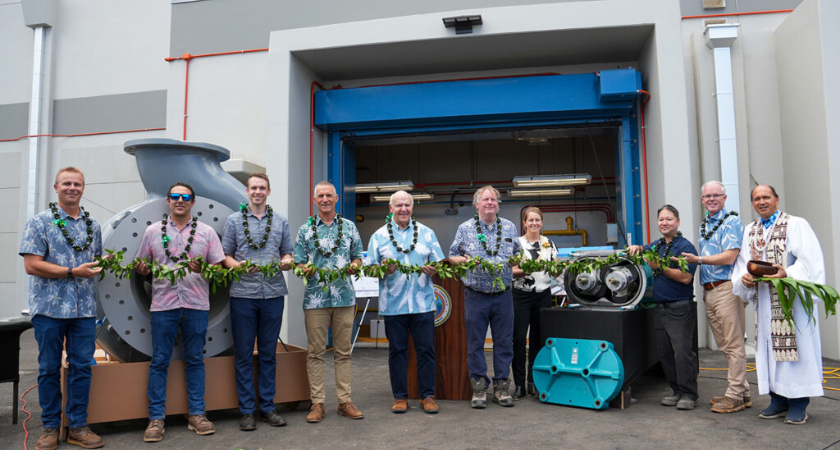
The City and County of Honolulu marked the milestone with a grand opening and blessing on August 11, 2026. The project required extensive coordination to introduce new treatment infrastructure while maintaining the plant’s ongoing operations.
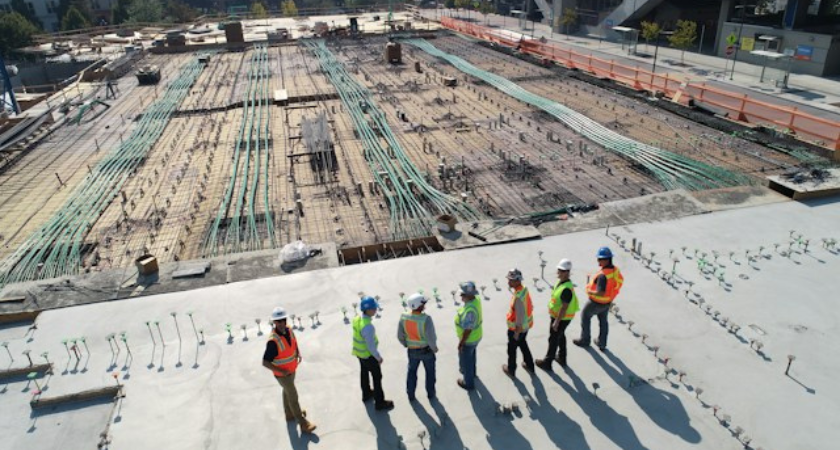
The Sand Island WWTP project involved several technically demanding construction activities, including deep excavation and dewatering, auger-cast-in-place pile installation, cast-in-place concrete structures and underground utility work.
The scope also included electrical infrastructure, process equipment and mechanical and process piping ranging from 1.5 inches to 96 inches in diameter.
Connecting new systems to existing plant infrastructure required detailed sequencing and coordination. Project teams planned individual tie-ins to limit operational impacts while allowing construction activities to continue safely.
The work was performed within a dense process environment where multiple systems competed for available space. Coordination between construction disciplines was therefore critical to installation planning and schedule management.
Virtual Design and Construction tools were used to coordinate disciplines, review installation sequences and identify potential conflicts before they reached the field.
Laser scanning helped project teams compare existing site conditions with coordinated models and refine piping layouts before fabrication and installation. Drone mapping provided additional documentation of site conditions and supported progress communication and planning.
Hensel Phelps also self-performed more than half of the project work. Approximately 1,400 people contributed more than 1.2 million work hours, supported by 109 trade partners and vendors and about 350 suppliers and service providers.
The project team also provided six months of around-the-clock coverage during clean fluid startup, supporting testing, commissioning and integration of the new systems.
The Sand Island project demonstrates the construction coordination required to modernize critical wastewater infrastructure while an existing treatment facility remains operational.
The combination of self-performed work, digital coordination, laser scanning, drone mapping and data-driven startup planning helped the project team manage complex construction activities and deliver the facility ahead of its scheduled completion.
Courtesy: hensel phelps.