New hospitality facilities at state parks can expand visitor accommodations while supporting recreation and tourism infrastructure. In Alabama, a new 32-room lodge at Cheaha State Park has opened, adding overnight lodging and gathering spaces at the state's highest point.
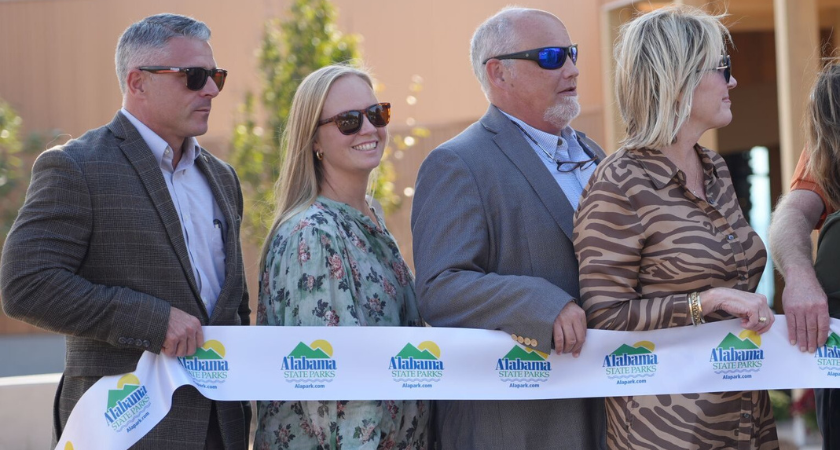
HPM joined the Alabama Department of Conservation and Natural Resources (ADCNR), Alabama State Parks and project partners for the ribbon-cutting ceremony on Oct. 16, 2026. The lodge is situated on Cheaha Mountain in Delta, overlooking the Talladega National Forest.
The facility features guest rooms with private balconies, a rooftop bar and a bluff-side observation pavilion. The additional spaces are designed to accommodate individual visitors, families, weddings and corporate gatherings.
A defining element of the development is its use of Alabama-sourced southern yellow pine mass timber. The material connects the building's structural and architectural design with regional resources while incorporating contemporary hospitality features.
HPM provided program management, project management, preconstruction services and field coordination. The project team also included Chambless King Architects and Murray Construction.
The development combines guest accommodations with shared spaces intended to increase the park's capacity to host overnight visitors and group gatherings.
The lodge is part of ADCNR's broader efforts to improve accommodations and visitor amenities across Alabama's state park system. The opening also extends HPM's involvement in recreation and community-focused developments throughout the state.
HPM's previous work includes owner representation for Sand Mountain Park and Amphitheater in Albertville, an 80-acre sports and recreation complex in Saraland, and a recreation complex and library in Alabaster.
The Cheaha State Park lodge demonstrates how public recreation investments can incorporate specialized construction materials and hospitality infrastructure. Its mass timber design also provides an example of regional wood products being used in a public-sector building project.
For construction managers, architects and contractors, the development highlights the coordination involved in delivering hospitality facilities within environmentally significant recreation settings.
Source: HPM.