Construction on the long-awaited Hudson Tunnel Project has restarted following a brief shutdown caused by a funding dispute, marking a renewed push to modernize one of the busiest rail corridors in the United States.
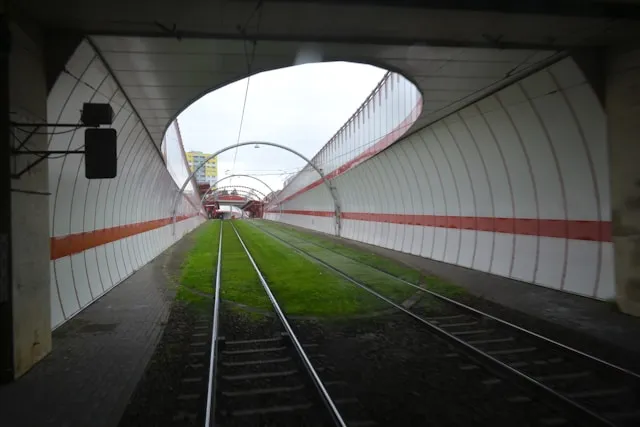
The $16 billion project — a central component of the Gateway Program — will build a new rail tunnel beneath the Hudson River connecting North Bergen and New York City. Once complete, the infrastructure is expected to significantly increase rail capacity between New Jersey and New York.
Construction had been temporarily halted in early February after federal reimbursements linked to the project were frozen, forcing contractors to suspend operations.
By February 6, the pause led to roughly 1,000 workers being laid off as construction sites in both states went idle. Officials from the Gateway Development Commission warned that the shutdown could stall a major infrastructure initiative that had already received more than $1 billion in investments.
In response, the states of New York and New Jersey filed legal action against the U.S. Department of Transportation, arguing the funding freeze violated previously approved agreements.
A federal judge later ordered the release of the funds, allowing construction to resume after more than $200 million was restored to the project by late February.
“Hundreds of workers will return to GDC’s construction sites in New York and New Jersey,” said Alicia Glen in a statement. “This is great news for these workers, the hundreds of thousands of riders who take the train to New York City every day, and the entire region.”
The Hudson Tunnel Project is widely viewed as one of the most important rail infrastructure projects in the country.
The existing tunnels beneath the Hudson River — known as the North River Tunnels — were built in 1910 and serve as a key link on the Northeast Corridor, the nation’s busiest passenger rail route.
Despite being more than a century old, the tunnels still carry over 200,000 passenger trips and more than 400 trains each day operated by Amtrak and NJ Transit.
The infrastructure also suffered major damage during Hurricane Sandy in 2012, raising concerns among transportation officials about long-term reliability and safety.
The project aims to construct two new rail tubes beneath the Hudson River. Once those tunnels become operational, trains will be rerouted into them while crews rehabilitate the original tunnels.
When the work is fully completed, the corridor will have four operational tracks under the river — effectively doubling the rail capacity between New Jersey and Manhattan.
Transportation planners say the upgrade will reduce delays, improve service reliability and support future ridership growth along the Northeast Corridor.
Construction is already advancing at several sites across the region.
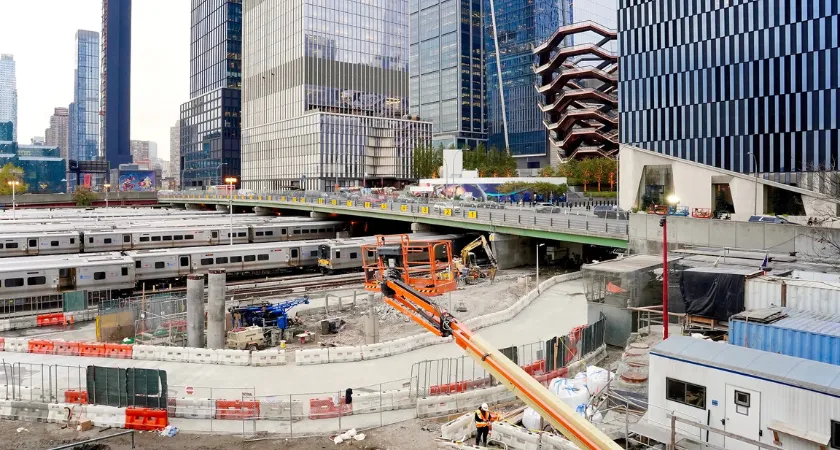
In New Jersey, crews are excavating a massive launch area where tunnel-boring machines will begin drilling toward Manhattan. Meanwhile, workers near Hudson Yards are building underground concrete structures that will eventually guide trains into Penn Station.
Engineers are also working to stabilize portions of the Hudson Riverbed to prepare for the tunneling phase.
If construction remains on schedule, the giant tunnel-boring machines could begin digging later in 2026.
The Hudson Tunnel Project remains a long-term infrastructure effort with several major milestones ahead.
Current projections suggest:
Once finished, the expanded rail capacity is expected to benefit commuters across the Northeast, particularly travelers moving between New Jersey suburbs and Manhattan.
Infrastructure experts say the project will have significant economic implications for the region.
The Northeast Corridor supports millions of passengers annually and is considered a vital transportation link for the U.S. economy. Improving rail capacity between New York and New Jersey could reduce congestion, support job growth and strengthen the broader regional transit network.
The resumption of construction also restores jobs tied to the project and signals renewed momentum for one of the largest transportation initiatives currently underway in the United States.
Originally reported by Laura Ratliff in Time Out.