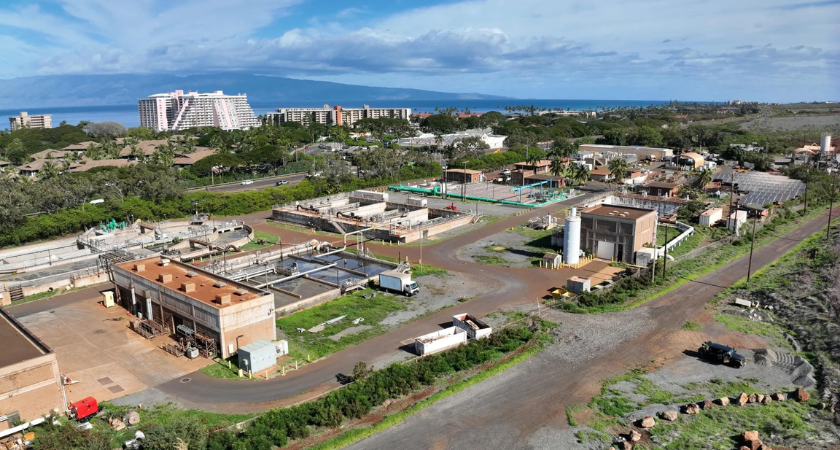
Water infrastructure upgrades are becoming increasingly important in regions facing limited freshwater supplies, climate pressures and recovery needs. In West Maui, a $14 million improvement program at the Lahaina Wastewater Reclamation Facility is strengthening the reliability of recycled water production while extending the value of existing wastewater infrastructure.
Jacobs worked on the Lahaina Wastewater Reclamation Facility R-1 Improvements Project, which was recognized as the Hawaii Society of Professional Engineers' 2026 Project of the Year. The project focused on improving treatment stability, expanding the dependable use of recycled water and reducing environmental impacts associated with wastewater management.
The project repurposed existing basins, channels and other facility infrastructure rather than relying entirely on new construction. This approach reduced construction waste and helped limit capital requirements while bringing previously underused assets back into productive service.
The improvements also addressed variable wastewater flows that had affected treatment processes and equipment. Stabilizing those flows helped create more consistent treatment performance and supported production of recycled water for nonpotable uses.
The facility now supplies recycled water for golf courses, resorts and public parks, with future agricultural use also identified as an application. Increasing recycled water availability can reduce demand for potable water supplies in a region where water resources are constrained.
The upgraded facility incorporates process modeling and integrated controls to coordinate pumps, valves and sensors. A multilayered automation system is designed to maintain more consistent operating conditions as wastewater flows change.
The project also reduces dependence on injection wells. That change is intended to limit potential impacts on groundwater and coastal resources while increasing the beneficial use of treated wastewater.
For construction owners and infrastructure managers, the project demonstrates how rehabilitation and controls upgrades can be combined with targeted equipment and process improvements. Reusing existing assets can reduce the amount of new construction required while addressing operational deficiencies within aging utility systems.
The Lahaina project illustrates the growing role of wastewater reuse and rehabilitation in water infrastructure planning. Rather than replacing an entire facility, the program used existing assets and upgraded treatment and control systems to improve performance.
For public owners and utilities, the approach provides a model for evaluating existing infrastructure before committing to larger replacement programs. The combination of asset reuse, automation and recycled water production also connects capital improvements with long-term water resource management.
Source: Jacobs.