Jacobs is extending its construction management role on a major steel decarbonization project in Duisburg, Germany, as thyssenkrupp Steel advances a hydrogen-capable direct reduction plant toward first iron production.
The expanded assignment covers project management office, construction management and assembly management services for the facility, which is designed to produce approximately 2.5 million metric tons of direct reduced iron annually once operational.
Jacobs was initially awarded the program and construction management contract in August 2023. Under the extended role, the company will continue coordinating design, logistics and construction activities as work progresses at the Duisburg site.
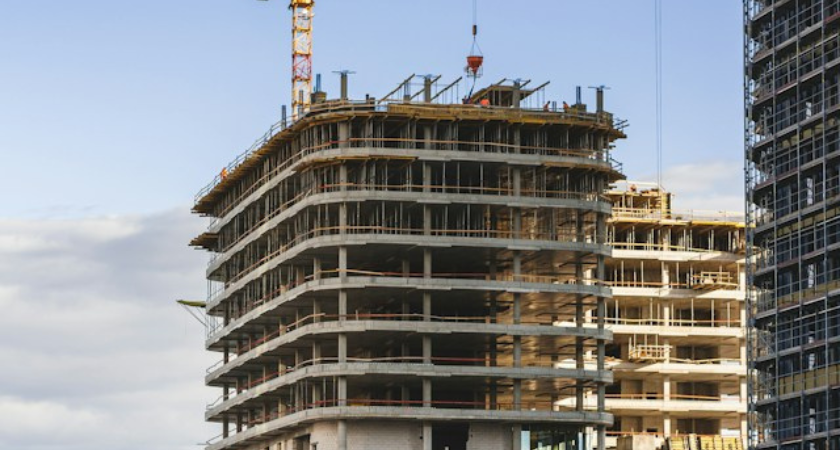
The construction management scope includes oversight of civil works, logistics and quality assurance. Jacobs is also coordinating assembly logistics and the movement of materials between contractors working on the project.
The facility is being developed to support a transition away from coal-fired blast furnace production toward a hydrogen-based direct reduction process. The plant is expected to produce direct reduced iron that can support lower-carbon steelmaking.
The Duisburg project is part of thyssenkrupp Steel’s broader transformation of its production operations. The hydrogen-capable direct reduction technology is intended to replace conventional coal-based iron production and support the company’s long-term decarbonization strategy.
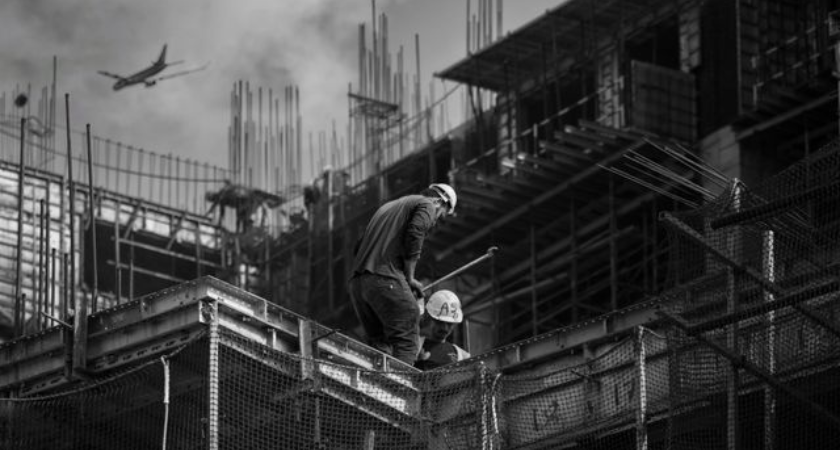
Jacobs’ extended assignment also includes coordination with thyssenkrupp on health, safety and environmental performance across the construction site. The project requires coordination among multiple contractors and work packages as construction and assembly activities progress.
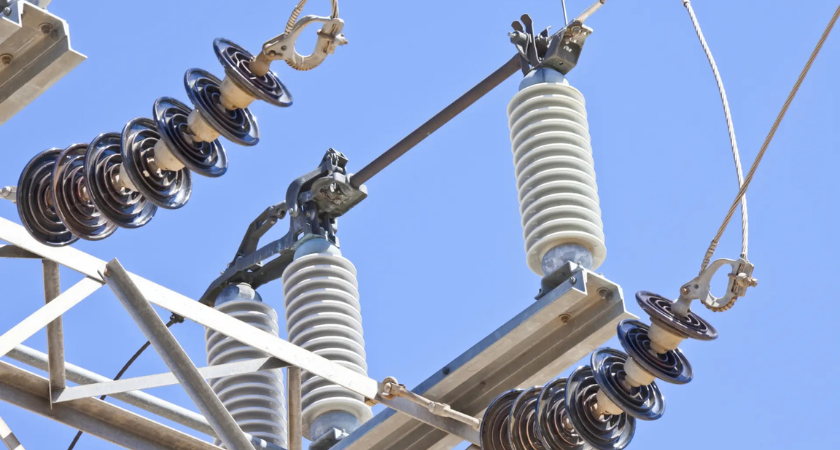
The assignment adds to Jacobs’ infrastructure and energy-transition work in Germany, including its involvement in the country’s transmission grid expansion and the SuedLink high-voltage power transmission project.
For industrial owners and contractors, the project illustrates the construction-management requirements associated with large-scale industrial decarbonization projects. Hydrogen-capable direct reduction facilities combine conventional civil and industrial construction activities with new process technologies, creating extensive coordination requirements across design, logistics, assembly and commissioning.
The Duisburg facility is also part of the broader shift toward lower-carbon steel production, with hydrogen-based processes being developed as an alternative to traditional coal-dependent ironmaking.
Source: jacobs.