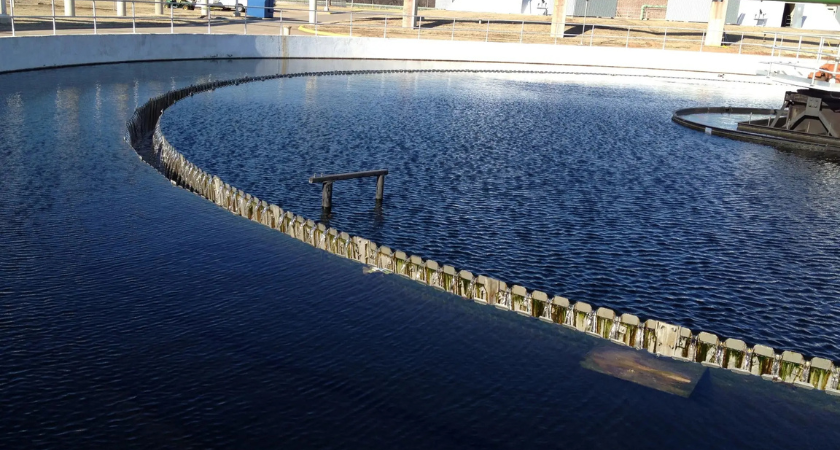
Growing wastewater infrastructure demands are increasing the need for reliable operations, maintenance and asset management across municipal treatment systems. In Oklahoma City, a new multiyear services agreement will place four treatment facilities and related regional wastewater assets under an integrated operations and maintenance program.
Jacobs has been selected by the Oklahoma City Water Utilities Trust to provide operations and maintenance services under a five-and-a-half-year contract. The agreement covers wastewater facilities serving Oklahoma City and six neighboring communities.
The scope includes four wastewater treatment facilities with combined treatment capacity exceeding 110 million gallons per day. Jacobs will also operate and maintain a regional pump station and support solids management activities, including biosolids disposal and septage receiving services.
The work will incorporate updated maintenance practices and data-informed planning aimed at improving operational performance and asset reliability. The services will also provide information to help Oklahoma City Water Utilities Trust establish capital improvement priorities for its wastewater system.
The arrangement extends Jacobs' existing relationship with the Oklahoma City utility organization. The contract adds to Jacobs' portfolio of water and wastewater operations and maintenance work across multiple U.S. markets.
The Oklahoma City program is part of a broader municipal wastewater infrastructure environment in which owners must balance daily system performance with long-term maintenance and capital planning. For systems serving multiple communities, coordinating treatment capacity, pumping assets and solids management makes operational planning an important component of infrastructure management.
The contract illustrates how wastewater owners can combine day-to-day facility operations with asset management and planning activities under a multiyear service arrangement. For Oklahoma City and the surrounding communities, the program covers more than 110 million gallons per day of treatment capacity while connecting maintenance activities with longer-term infrastructure investment priorities.
Source: jacobs.