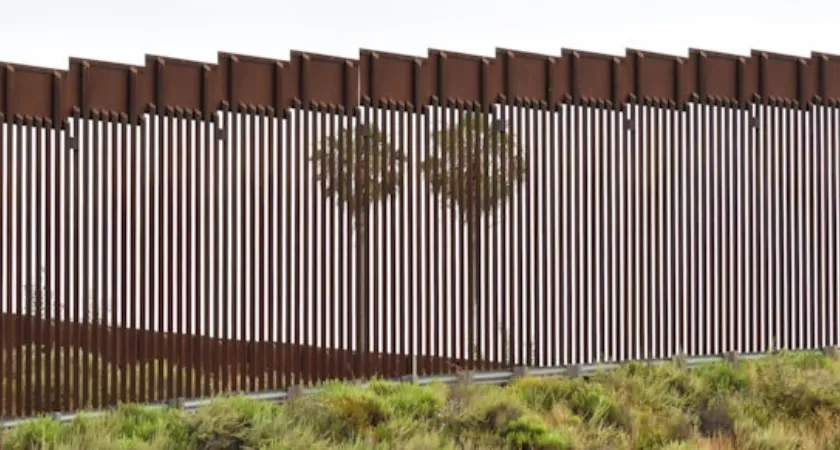
A coalition of 46 Texas lawmakers is urging Greg Abbott to press the Trump administration to halt planned border wall construction in the Big Bend region, arguing the environmentally sensitive area can be secured without new physical barriers.
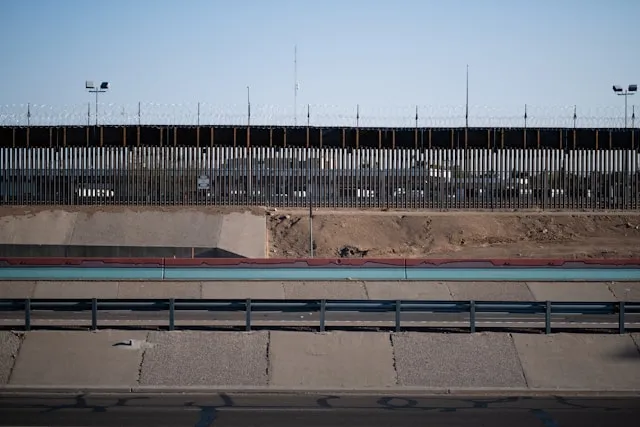
In a Feb. 28 letter, the bipartisan group — which includes Laredo state Rep. Richard Peña Raymond — asked the governor to formally request that federal officials reconsider building a wall in the remote West Texas corridor.
The lawmakers said modern surveillance, technology and coordination among local, state and federal agencies can effectively patrol the area without a wall.
The Big Bend region, home to Big Bend National Park, draws nearly a million visitors annually and is widely regarded as one of Texas’ most ecologically and culturally significant landscapes. Tourism tied to the park and surrounding communities provides a major economic engine for West Texas.
Opponents of the proposed wall argue that additional border infrastructure could disrupt wildlife migration patterns, damage fragile desert ecosystems and negatively affect the outdoor recreation economy. The Rio Grande River, which forms the natural boundary in much of the region, already presents a geographic barrier in many stretches.
Supporters of enhanced border security have long argued that physical barriers help deter unlawful crossings and drug trafficking. However, critics say the rugged terrain and relatively low population density of Big Bend make it less suitable for wall construction compared to other border sectors.
The lawmakers’ letter emphasized that advanced monitoring tools — including drones, sensors and camera towers — can provide effective coverage without altering the landscape.
The appeal to Abbott comes amid renewed federal attention to border security policy. The Trump administration has signaled interest in expanding border infrastructure projects in certain areas of the U.S.-Mexico boundary.
Texas has also independently invested billions in border enforcement efforts in recent years, deploying state troopers and National Guard personnel and installing razor wire fencing in high-traffic zones.
The 46 lawmakers contend that Big Bend requires a tailored approach rather than a one-size-fits-all solution.
They argue that collaboration between federal agencies such as U.S. Customs and Border Protection, the Texas Department of Public Safety and local law enforcement can maintain security while preserving public lands.
Local leaders and environmental advocates have echoed similar concerns in past debates, warning that wall construction could complicate emergency response access and hinder river-based rescue operations.
It remains unclear whether Abbott will formally request a halt to construction plans. Any change in course would require coordination with federal authorities overseeing border infrastructure projects.
If construction moves forward, environmental assessments and potential legal challenges could follow, as has occurred in other border regions.
For now, the issue underscores an ongoing policy divide: whether physical barriers remain a central tool of border security strategy, or whether evolving surveillance technology and interagency coordination offer a more flexible alternative — particularly in remote, tourism-driven areas like Big Bend.
As debate continues, the Big Bend region sits at the intersection of national security policy, environmental stewardship and local economic interests — a balancing act that Texas leaders will have to navigate in the months ahead.
Originally reported by Alex Cano in KGNS News.