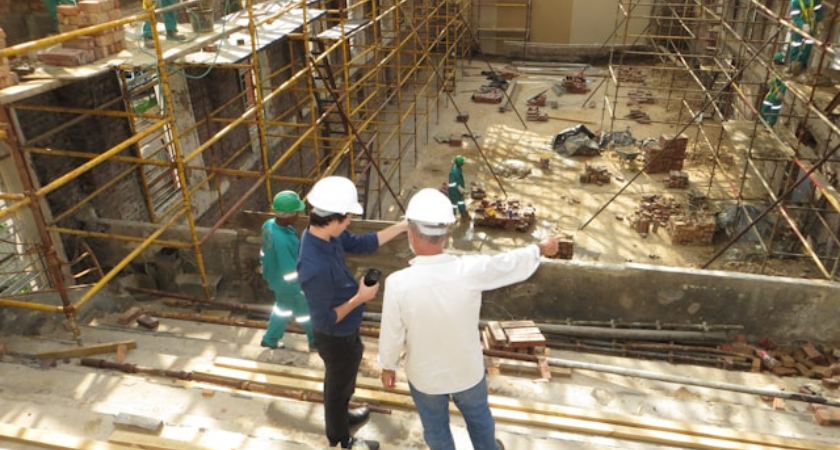
Lockheed Martin has started construction on a new missile manufacturing facility in Troy, Alabama, as defense contractors and federal agencies continue expanding U.S. weapons production capacity amid heightened geopolitical tensions and growing demand for advanced missile systems.
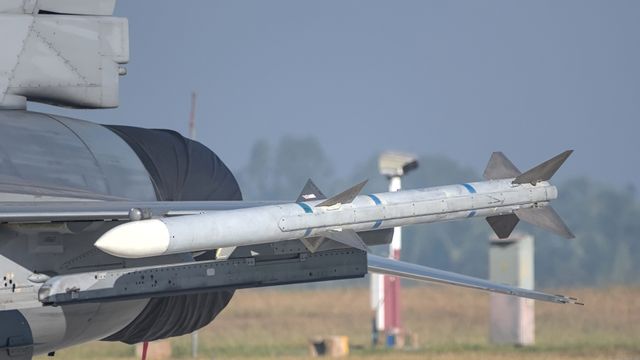
The new facility will add approximately 87,000 square feet of production space dedicated primarily to manufacturing Terminal High Altitude Area Defense, or THAAD, interceptors while also supporting future work tied to the Next Generation Interceptor program.
Company officials said the Alabama project forms part of a broader nationwide expansion initiative involving more than 20 new defense manufacturing facilities and approximately $9 billion in planned investments through 2030.
The expansion comes as the U.S. defense sector faces increasing pressure to replenish missile inventories, strengthen supply chains and accelerate procurement timelines for critical defense systems. Industry analysts and government officials have raised concerns about munitions stockpile levels following increased global military activity and rising international demand for U.S.-made defense equipment.
Federal policymakers and defense contractors have recently emphasized the need to expand domestic manufacturing capabilities for missile systems, interceptors and related military technologies. The Troy facility is expected to play a role in increasing output capacity for missile defense systems used by the United States and allied nations.
THAAD remains one of the U.S. military’s primary missile defense platforms designed to intercept ballistic threats both inside and outside the atmosphere. The system is currently deployed by the United States and several international allies, including the United Arab Emirates and Saudi Arabia.
The project also reflects broader trends reshaping the industrial construction market, where federal defense spending is increasingly driving investment in advanced manufacturing facilities, secure supply chains and specialized production infrastructure.
For contractors, the expansion signals continued opportunities in the defense construction sector, particularly for firms specializing in industrial manufacturing facilities, mission-critical infrastructure, heavy mechanical systems and secure government projects.
Large-scale defense manufacturing projects typically involve highly specialized construction requirements, including reinforced structures, advanced utilities, precision manufacturing environments and enhanced security coordination.
The Troy investment also highlights growing demand for industrial development across secondary Southern markets, where lower operating costs, workforce availability and favorable state economic policies continue attracting major manufacturing expansions.
As federal agencies continue prioritizing domestic production resilience and military readiness, additional investments in weapons manufacturing infrastructure are expected to create sustained construction activity across multiple U.S. regions over the coming decade.
Originally reported by Larry Felton Johnson in Cobb Courier.