Higher education construction activity is accelerating at Louisiana Tech University as the institution advances a coordinated $70 million capital investment program spanning academic buildings, athletics facilities, research infrastructure, and campus mobility upgrades.
For construction owners, contractors, and design teams working in the education sector, the scale and diversity of the current buildout reflects a broader trend in universities bundling multiple capital projects to modernize aging infrastructure while accommodating enrollment growth and evolving research priorities.
.jpg)
University officials report that four major construction efforts are currently active across campus. These projects include a full interior overhaul of George T. Madison Hall, construction of a new athletics-focused student support facility, a forestry research building, and a new parking structure designed to address increasing campus demand.
The renovation of George T. Madison Hall represents one of the most extensive elements of the program. The building is being fully gutted, with only the structural shell retained as crews replace mechanical systems, electrical infrastructure, HVAC, plumbing, and interior layouts to better align with modern academic requirements. The upgraded facility is scheduled to reopen for classes in fall 2027.
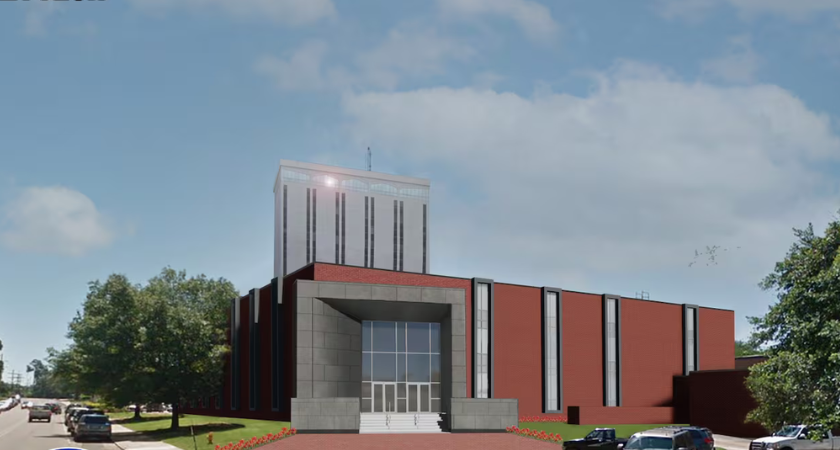
A separate project near Joe Aillet Stadium involves construction of the Origin Bank Center for Student Athlete Success. The facility is designed to integrate academic support services with athletics infrastructure while also improving stadium aesthetics and operational functionality at the north end of the venue.
From a delivery standpoint, this type of mixed-use athletic support construction often requires coordination between structural upgrades, public assembly requirements, and interior academic programming spaces, adding complexity for general contractors managing phased construction near active sports venues.
Another major component of the capital program is a new forestry research facility designed to support Louisiana’s timber industry. The project is notable for its use of cross-laminated timber construction, incorporating regionally sourced pine as part of the structural system.
The facility is intended to support applied research in forest products while also serving as a demonstration of advanced wood construction techniques. For contractors and material suppliers, the project reflects growing institutional adoption of mass timber systems in academic and research environments.
The university is also developing a new parking structure valued at approximately $7 million. The addition is intended to address increased campus demand linked to enrollment growth and facility expansion across academic and student service areas.
Parking projects of this type typically require tight sequencing with surrounding campus operations, particularly when located near active academic and athletic zones.
University capital programs across the U.S. have increasingly shifted toward integrated construction pipelines that combine deferred maintenance replacement with new programmatic space. Rising enrollment volatility, competition for research funding, and demand for modern student facilities continue to drive multi-project construction packages similar to Louisiana Tech’s current program.
For contractors and developers, higher education projects remain a steady source of long-term institutional work, but often require strict scheduling coordination, phased occupancy planning, and compliance with evolving sustainability and building performance standards.
For construction firms operating in the education sector, Louisiana Tech’s program highlights continued demand for contractors capable of managing concurrent builds across different facility types within a single campus ecosystem. The mix of renovation, ground-up construction, and specialized timber systems underscores the need for diversified technical expertise.
The program also signals continued opportunity in mid-sized public universities, where capital investment is increasingly directed toward modernization rather than expansion alone, reshaping bidding strategies and delivery expectations for contractors competing in higher education markets.
Originally reported by Elijah Mangum in KNOE News 8.